
Bali Properties Different Styles
December 30, 2025
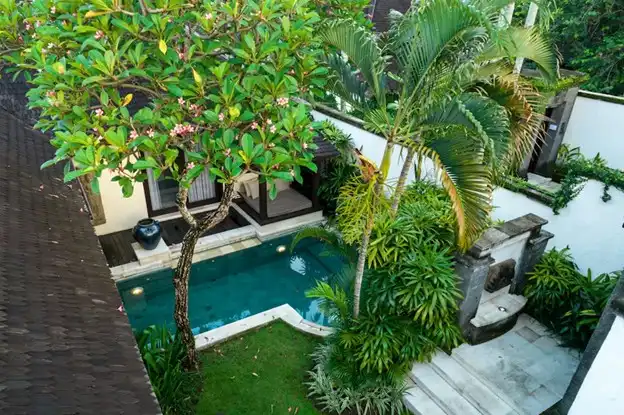
The different styles of properties in Bali
Bali has long captivated travelers, investors, and lifestyle seekers with its unique blend of natural beauty, spiritual heritage, and architectural diversity. The island’s property landscape reflects centuries of cultural tradition combined with modern design influences from around the world. From jungle retreats and beachfront homes to urban residences and luxury estates, property styles in Bali are shaped by geography, climate, religion, and evolving lifestyle trends. Understanding these different styles is essential for anyone considering buying, renting, or simply appreciating Balinese real estate.
This article explores the main property styles found across the island, explaining their defining characteristics and how they fit into Bali’s cultural and environmental context.
Traditional Balinese Compounds
Traditional Balinese properties are deeply rooted in Hindu philosophy and local customs. Rather than a single building, these homes are typically designed as compounds made up of several separate structures arranged around a central courtyard. Each building has a specific purpose, such as sleeping, cooking, hosting guests, or worship. The layout follows strict spiritual guidelines known as Asta Kosala Kosali, which govern orientation, proportions, and spatial hierarchy.
Natural materials dominate traditional Balinese architecture. Stone, wood, bamboo, and thatched alang-alang roofs are commonly used, helping structures stay cool in the tropical climate. Ornate carvings, temple gates, and shrines are essential elements, reflecting the island’s strong spiritual identity. These properties are most commonly found in rural villages and older residential areas, where preserving tradition remains a priority. While traditional compounds may lack modern amenities, they offer a deep sense of authenticity and connection to Balinese culture that many people find deeply appealing.
Modern Tropical Villas
One of the most popular property styles in Bali today is the modern tropical villa. This design philosophy focuses on seamless indoor-outdoor living, emphasizing openness, natural light, and integration with the surrounding environment. Large glass doors, open-plan layouts, high ceilings, and private swimming pools are defining features of this style.
Modern tropical villas often incorporate contemporary materials such as concrete, steel, and glass, balanced with natural stone and wood accents. The goal is to create a clean, minimalist aesthetic while maintaining harmony with Bali’s lush landscapes. These properties are particularly common in areas like Canggu, Ubud, and Uluwatu, where residents value privacy, tranquility, and proximity to nature. This style appeals to digital nomads, expatriates, and investors seeking high rental demand, as it offers both comfort and visual appeal.
Luxury Estates and High-End Villas
At the top end of the market, Bali offers an impressive selection of luxury estates designed for exclusivity, comfort, and prestige. An exclusive luxury villa in Bali typically features expansive land, panoramic views of the ocean, rice fields, or jungle, and a high level of architectural detail. These properties often include multiple bedrooms with en-suite bathrooms, infinity pools, landscaped gardens, private staff quarters, and state-of-the-art technology.
Luxury villas are designed to provide a resort-like experience while maintaining privacy and personalization. Many are custom-built with unique architectural themes, blending Balinese elements with modern or international design styles. These properties are popular among high-net-worth individuals, long-term investors, and those seeking premium holiday homes. Beyond their lifestyle appeal, luxury villas also represent strong investment assets due to their high rental potential and long-term value appreciation.
Colonial and Heritage Properties
Colonial-style properties in Bali are less common but hold significant historical value. Influenced by Dutch architecture from Indonesia’s colonial era, these properties often feature symmetrical layouts, wide verandas, tall windows, and thick walls designed to regulate temperature. Many heritage homes were originally built as government residences, plantations, or official buildings.
Today, colonial properties are often restored and repurposed as boutique hotels, private residences, or cultural spaces. They combine old-world charm with modern upgrades, creating a timeless aesthetic that appeals to history enthusiasts and design connoisseurs. While these properties may require higher maintenance and restoration costs, their uniqueness and character make them stand out in Bali’s real estate market.
Urban Residences and Apartments
As Bali continues to develop, urban-style residences and apartments are becoming increasingly popular, particularly in more densely populated areas such as Denpasar, Kuta, and parts of Canggu. These properties are designed for practicality, convenience, and modern living. Unlike traditional compounds or villas, apartments and townhouses prioritize efficient use of space and access to shared facilities.
Urban properties often feature modern interiors, secure parking, fitness centers, and proximity to offices, schools, restaurants, and shopping areas. This style appeals to local professionals, long-term expatriates, and younger residents who prefer a city-like lifestyle. While apartments are still relatively limited compared to other property types in Bali, their growing presence reflects changing demographics and evolving housing needs on the island.
Eco-Friendly and Sustainable Properties
Sustainability is becoming an increasingly important consideration in Bali’s property market. Eco-friendly homes are designed to minimize environmental impact while maximizing comfort and efficiency. These properties often use renewable materials such as bamboo, reclaimed wood, and volcanic stone, along with energy-efficient systems like solar panels, rainwater harvesting, and natural ventilation.
Eco-conscious properties are particularly popular in areas like Ubud and northern Bali, where residents value wellness, mindfulness, and environmental responsibility. Architectural designs often emphasize organic forms, open spaces, and harmony with the surrounding ecosystem. While sustainable homes may require careful planning and specialized construction, they offer long-term benefits in terms of lower operating costs and reduced environmental footprint.
Bali’s diverse property styles reflect the island’s rich cultural heritage, natural environment, and modern evolution. From traditional compounds steeped in spirituality to sleek modern villas, historic colonial homes, urban residences, and eco-friendly retreats, each style offers a unique way of living and investing on the island. Choosing the right property depends on individual priorities, whether they are cultural immersion, luxury living, sustainability, or convenience. By understanding the different styles of properties in Bali, buyers and investors can make informed decisions that align with both their lifestyle goals and long-term aspirations.
Comments on this guide to Bali properties different styles article are welcome.
Building Design
Recently added Building posts
Furniture as spatial infrastructure in contemporary housing
Diagnosing Intermittent Gate Failures
How digital marketing shapes future of fashion
++
Property Articles
Residential Architecture
Comments / photos for the Bali properties different styles page welcome.


