6 Skilled Trades Powering Dallas Architecture
August 18, 2026

Source: Pexels.com
Dallas architecture is known for its inventive design elements, sky-high urban development, and a continuous push to realize the city’s development dreams. Yet beyond every building project that is completed successfully lies a team of skilled laborers who turn designs into reality.
Whether or not they are directly in contact with it, tradesmen have an effect at almost every stage of construction. From structural works to energy consumption and security measures, these are matters of concern to them and architects. In many cases, early coordination between the creative side of the architect and the practical side of the tradespeople results not only in a quality upgrade but also in timely delivery and a much-reduced number of expensive problems.
1. Structural Welders
Structural welding is a skill that allows builders to create the structure of commercial buildings, bridges, and massive developments. Without structural welders, a structure would not have the required amount of steel to be safe and to be able to bear its own weight over time.
Those looking for welding career training in Dallas can learn about courses that provide real-world experience and options that make it easy for aspiring craftsmen to meet industrial needs. As projects become increasingly sophisticated, experienced welders remain crucial to translating architectural ideas into structurally sound buildings. Many times, architects achieve better results when welders are invited to the steel connections and buildability meetings from the very start.
2. HVAC Technicians
Today’s buildings are equipped with highly sophisticated heating, ventilation, and air-conditioning systems. HVAC technicians are skilled at maintaining a comfortable, energy-efficient indoor environment and ensuring proper operation.
Designing an architectural project almost always includes working with HVAC professionals. If the HVAC system is planned for and considered at the design stage, it allows for the more efficient incorporation of ductwork, equipment locations and ventilation needs. This close interaction between the two disciplines can lead to enhanced building performance and improved occupant comfort.

3. Electricians
One of the main tasks of electricians is to carry out the installation and maintenance of power systems in buildings that supply energy to various building needs. In fact, electricians work on many tasks, including lighting systems, communication infrastructure, and safety equipment, as well as more sophisticated technologies that rely on electricity, such as digital devices.
To get the maximum benefits from the architectural plans, one needs close and continuous cooperation with electricians. It’s beneficial to involve electricians at the very beginning so they can help with selecting the best wiring routing, the right placement for equipment, and compliance with codes and regulations. That speeds up the construction process and reduces clashes between different building systems.
4. Lineworkers
Lineworkers are the people behind the scenes who ensure the electrical grid delivers power efficiently to homes and businesses. If there’s no consistent power supply, even the most sophisticated buildings would be rendered useless.
For big undertakings, the utilities need to be coordinated before the construction phase. Discussing the electrical needs upfront will help keep the project on track. That, in turn, reduces setbacks that can arise during the later stages of the development work.
5. Building Automation Specialists
Building automation engineers integrate lighting, doors, and climate systems into a smart device that controls them all via sensors and remote access. These are the technologies we now call smart homes, and the trend of having smart features in buildings is picking up very fast.
It’s common practice among architects to rely on building automation experts to make the most of the possibilities these systems offer users, both physically and mentally. Getting the right planning done from the beginning helps minimize the risk of integration problems and enables a smoother end-user experience. The efficiency and sustainability of the building usually increase when one takes the opportunity to incorporate automation technologies.
6. Energy Auditors
An energy auditor’s role is to analyze energy use in buildings and pinpoint areas for improvement. Energy auditors’ feedback is usually design- and operation-oriented and can lead to changes in one or both areas.
When architects engage energy experts at the earliest stage of a project, they will likely receive significant efficiency strategy input. These energy experts will be able to analyze and compare the efficiency of the different materials, systems, and building configurations. So, their work enables the sustainability goals to be met without compromising the functions of the buildings.
The Trades Behind Great Architecture
Great architecture relies on many elements besides new design ideas. Skilled craftsmen are the ones who actually know how to build the designs as physical structures and make them safe, efficient, and usable.
The success of Dallas construction jobs is largely due to the combined efforts of all professions involved, such as welders, electricians, automation engineers, and so on. When architects team up with the experts during the design stage, they typically get results – a quality build, a good safety record, and a good price on maintenance.

image source : pixabay.com
Comments on this guide to 6 skilled trades powering Dallas architecture, TX article are welcome.
Buildings in Dallas
Dallas Buildings, Texas, USA
Dallas Museum of Art International Design Competition, 1717 N Harwood St, TX 75201
Architects Shortlist
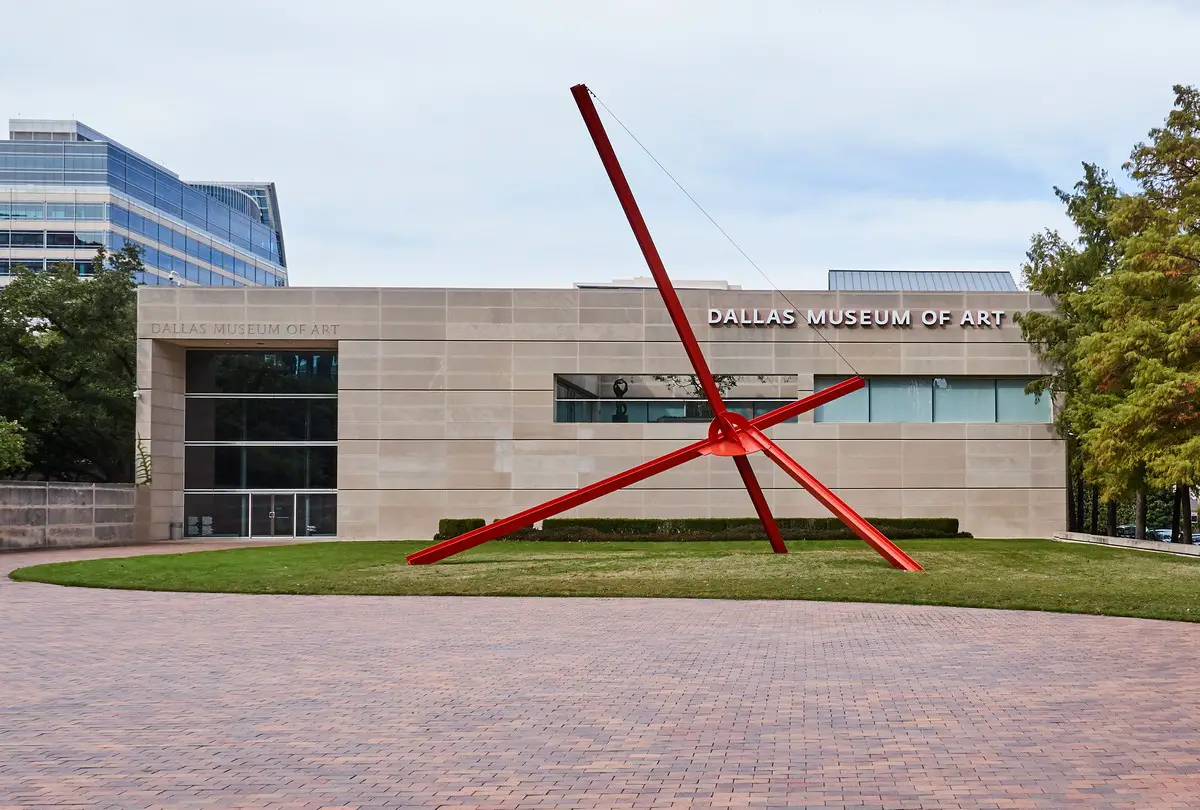
image courtesy of Dallas Museum of Art
Dallas Museum of Art International Design Competition
DRIFT – architectural sculpture
Design: sculpture by Gerry Judah

photo : Dan Sellers
DRIFT Dallas, Texas
++
Buildings
Architecture Articles
Comments / photos for the 6 skilled trades powering Dallas architecture, Texas advice page welcome