Koffler Scientific Reserve at University of Toronto
April 2, 2026
Architecture: Montgomery Sisam Architects
Location: Toronto, Ontario, Canada


Photos by Doublespace
Set within the rolling landscape of Jokers Hill on the Oak Ridges Moraine in King Township, the University of Toronto’s Koffler Scientific Reserve (KSR) offers a compelling model for the future of school design. Conceived as a hub for research and instruction in ecology and environmental biology, the project demonstrates how sustainable performance and architectural clarity can work in tandem without compromising design quality.


At its core, the new Dining and Operations Centre reinterprets the spatial logic of a traditional college. The program includes classrooms, dormitory spaces, a refectory, commons and sitting rooms, bathing facilities, and a cloistered quad, supporting both academic inquiry and communal living. Designed to accommodate students and faculty for extended stays, the facility fosters an immersive educational experience closely tied to its surrounding landscape.

The design, led by Montgomery Sisam Architects, draws inspiration from the work of KSR’s scientists. Research conducted at the Reserve spans vastly different scales, from microorganisms to global ecological systems. This relationship between the micro and the macro informed the architectural approach, shaping a design language that emphasizes the connection between individual components and the larger whole.


Formally, the building references agrarian typologies. Its massing evokes a barn-like structure that has been conceptually disassembled and reconfigured — split, rotated, and reassembled into a contemporary composition. This familiar yet reinterpreted form is complemented by carefully integrated architectural elements, including lanterns that introduce natural light deep into the interior, generous overhangs that mediate solar exposure, and covered walkways that support movement throughout the site. A central courtyard reinforces the project’s emphasis on community and connection to the outdoors.

The building’s orientation is equally deliberate. Aligned to the cardinal directions, it responds to the movement of the sun, moon, and stars, supporting both environmental performance and the Reserve’s research activities. Seasonal and daily cycles become legible through the building’s siting and design.

Sustainability is central to the project’s ambition. Targeting net-zero-carbon and net-zero-energy performance, as well as LEED Gold certification, the design incorporates a range of passive and active strategies to reduce environmental impact. Extensive climate analysis informed each façade: exterior shading mitigates summer heat gain, south-facing glazing captures winter solar gain, and natural ventilation, combined with thermal mass, helps regulate indoor temperatures during transitional seasons.


Material selection further contributes to a reduced carbon footprint. A mass timber structural system and wood interior finishes rely on renewable, low-embodied-energy resources while introducing warmth and tactility to the interior. On-site renewable energy systems, including rooftop photovoltaic panels and battery storage, are designed to generate and store 100 percent of the building’s annual electricity demand, with excess energy fed back to the grid.


Beyond the primary facility, the project includes twenty seasonal bunkies to support peak research periods. These compact, three-person structures are clustered around the main building and equipped with south-facing solar panels. Shared amenities, including washrooms located within the Dining and Operations Centre, help reduce infrastructure demands, limit water use, and simplify seasonal operations.

Together, the buildings are intended to create a cohesive and efficient campus environment that strengthens connections between research, teaching, and daily life. By consolidating previously dispersed functions into a purpose-built setting, the Koffler Scientific Reserve supports both operational efficiency and an enhanced user experience.


As educational institutions increasingly respond to the dual imperatives of sustainability and adaptability, KSR presents a forward-looking example. It is a place where architecture supports scientific discovery while reflecting the environ
Design: Montgomery Sisam Architects – https://www.montgomerysisam.com/

Photography: Doublespace
Koffler Scientific Reserve, University of Toronto, Ontario images / information received 020426
Location: Toronto, Ontario, Canada, North America.
Toronto University Building Designs
Contemporary Toronto Buildings
Contemporary Toronto University Buildings – selection from e-architect:
The University of Torontos Innis College Renewal and Expansion
Architects: Montgomery Sisam Architects

image : Montgomery Sisam Architects
Toronto Metropolitan University School of Medicine Building, Brampton
Architects: Diamond Schmitt
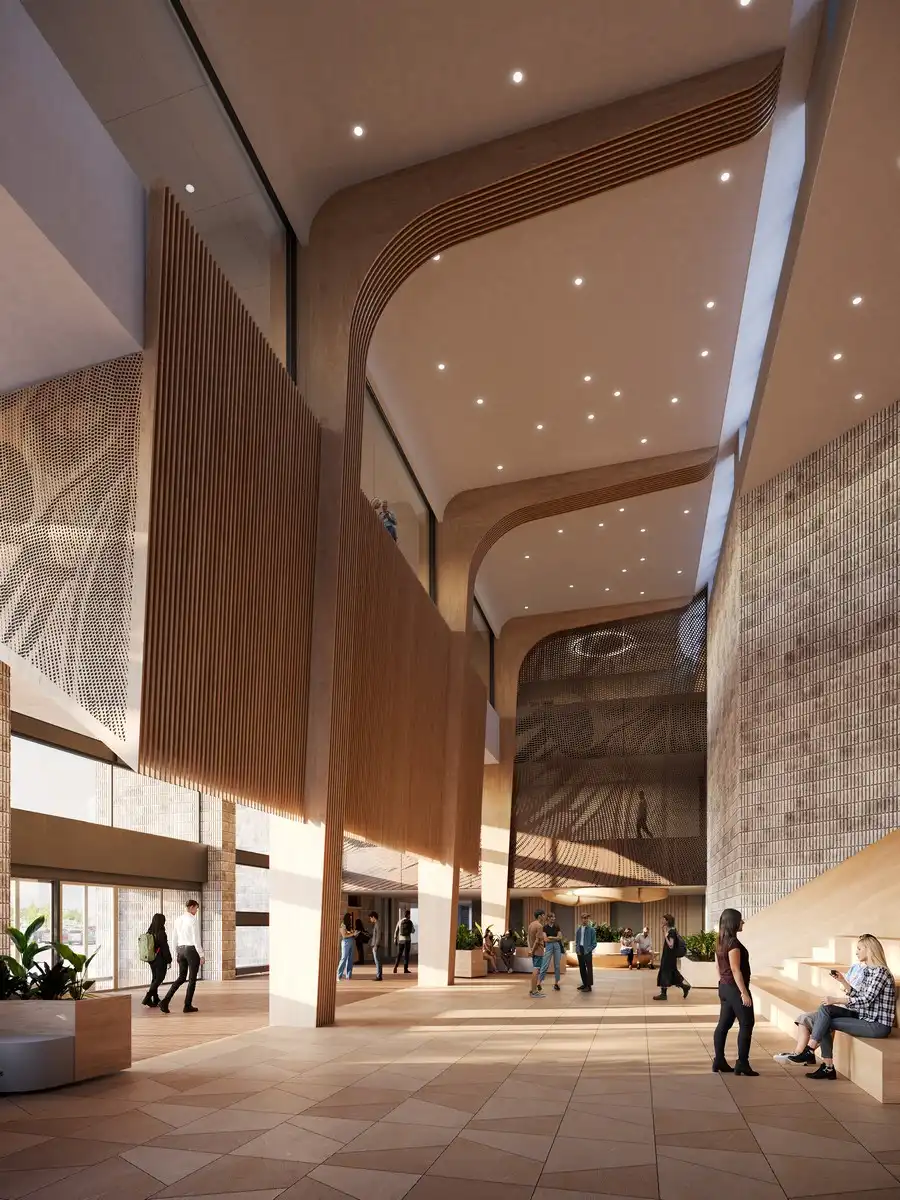
image courtesy of Diamond Schmitt
Scarborough Academy of Medicine and Integrated Health, Markham, Regional Municipality of York, Southern Ontario, Canada – 30 km northeast of Downtown
Design: Diamond Schmitt and MVRDV
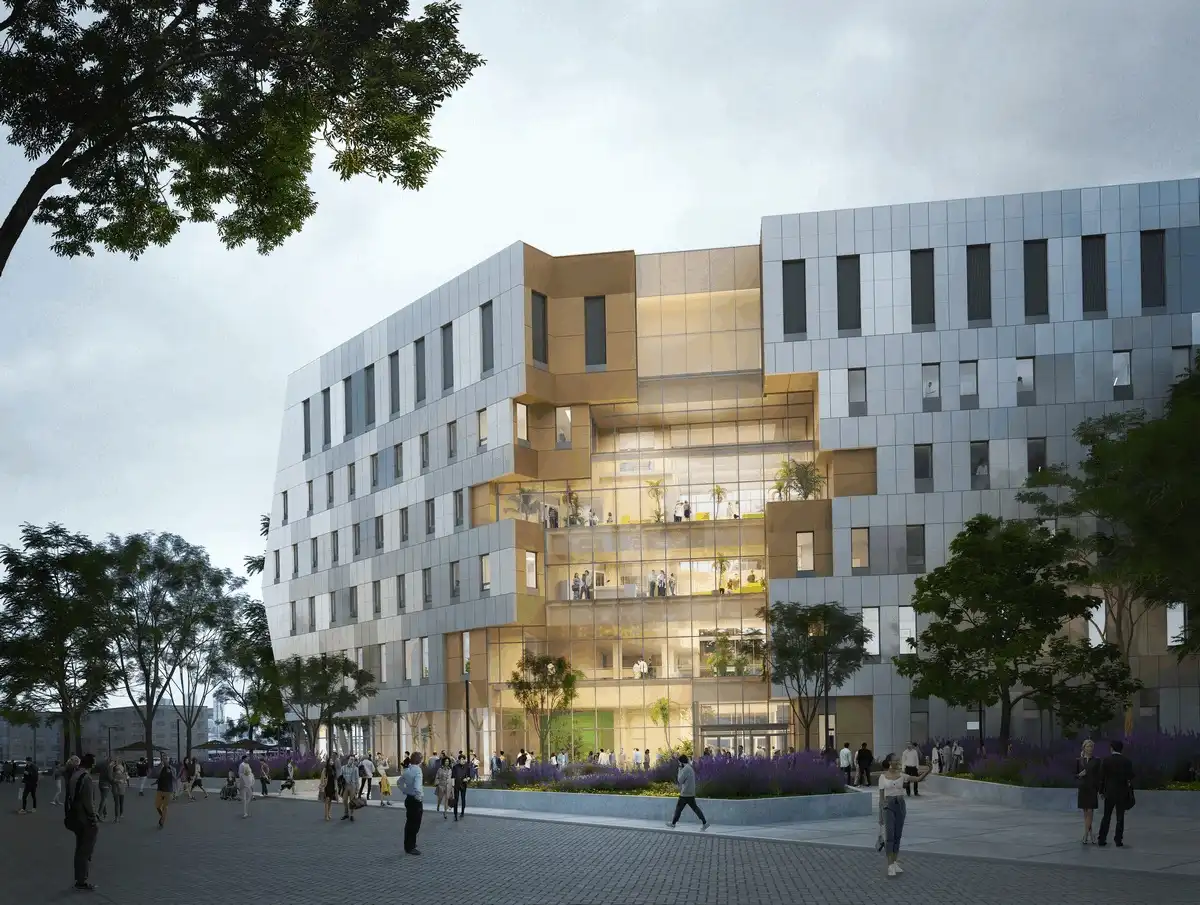
renders : Diamond Schmitt Architects and MVRDV
++
Toronto Architecture
New Ontario Properties – recent selection from e-architect:
Toronto Architectural Designs – chronological list
Ontario Architecture News on e-architect
Comments / photos for the Koffler Scientific Reserve, University of Toronto, Ontario design by Montgomery Sisam Architects page welcome.