The Charlbury Cottages in West Oxfordshire, England
11 December 2025
Architect: NOTO Architects
Location: Charlbury, West Oxfordshire, Southern England, UK
Photos by French + Tye
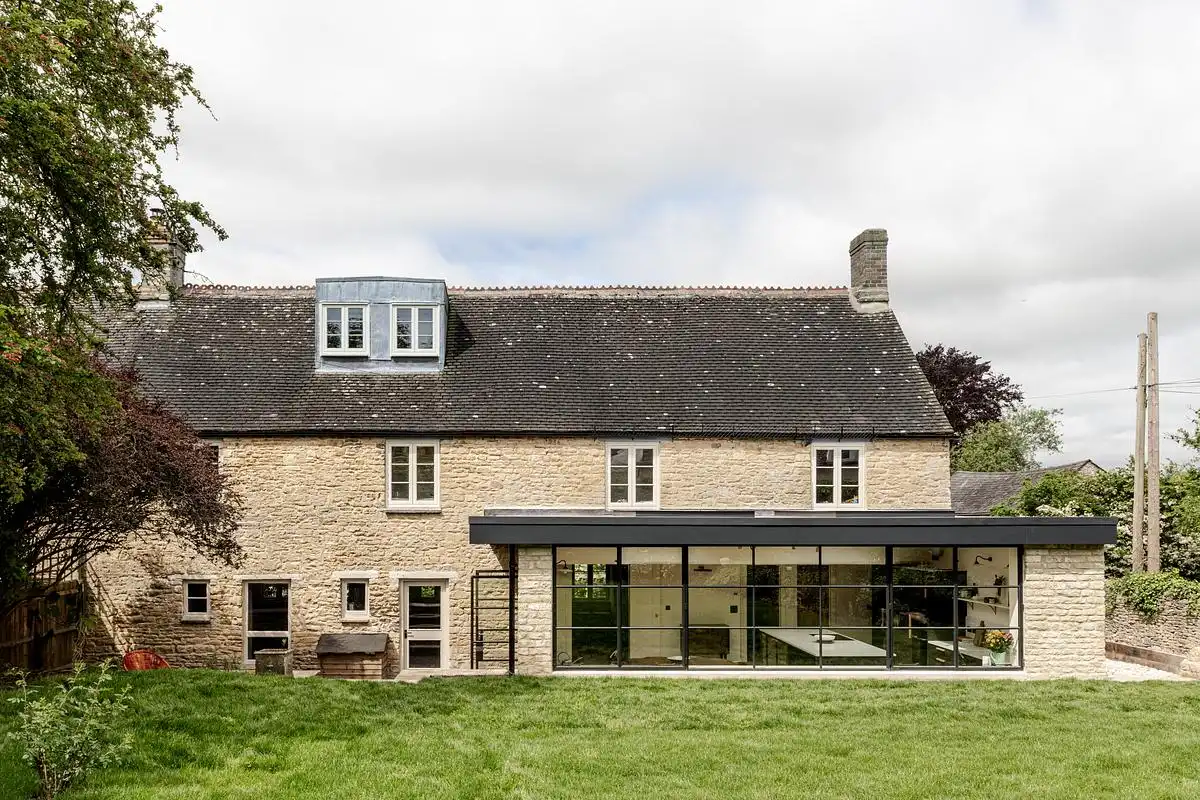
The Cottages is a sensitive, contemporary extension to a historic stone cottage located within the Charlbury Conservation Area, West Oxfordshire. The project set out to transform a compact and dark interior into a light-filled, flexible family space, while carefully respecting the character and scale of the existing building.
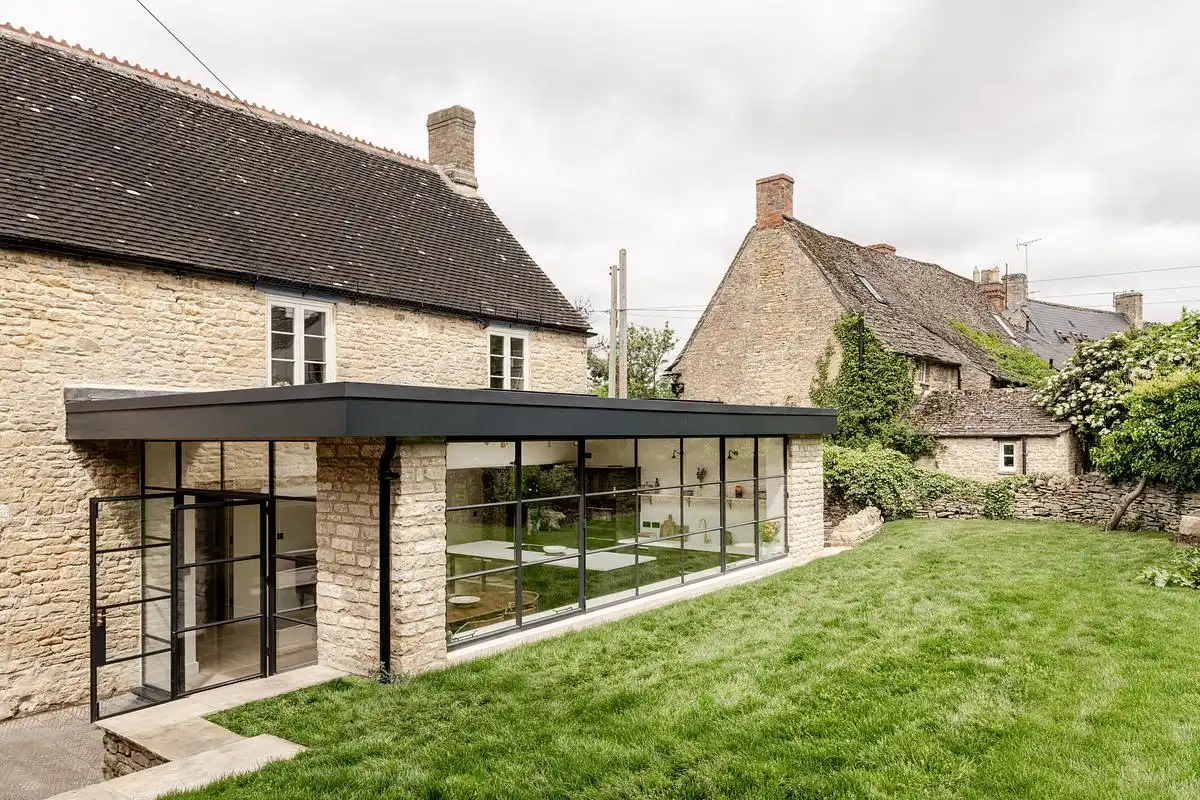
To achieve this, the new addition was conceived as a modest, single-storey volume, positioned discreetly at the rear to preserve the cottage’s traditional street presence. By sinking the extension slightly into the garden, its impact on neighbouring views and the surrounding heritage setting was carefully considered and further reduced.
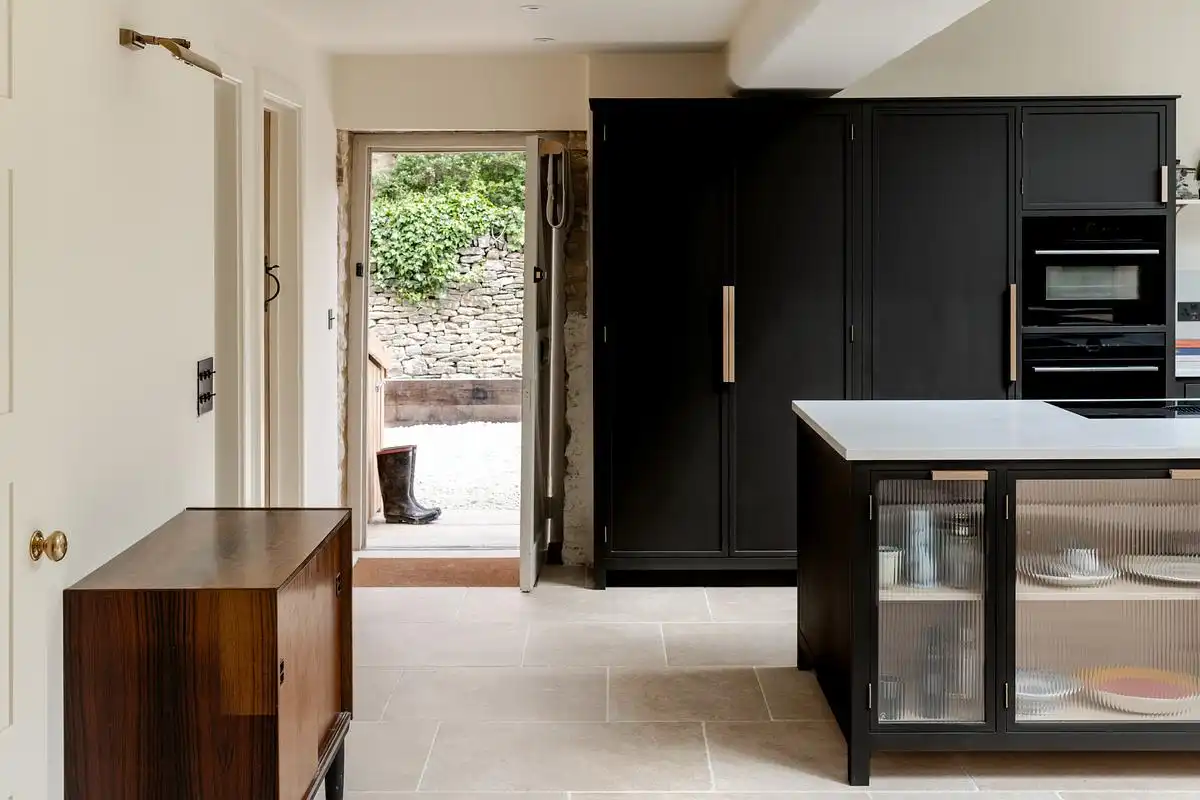
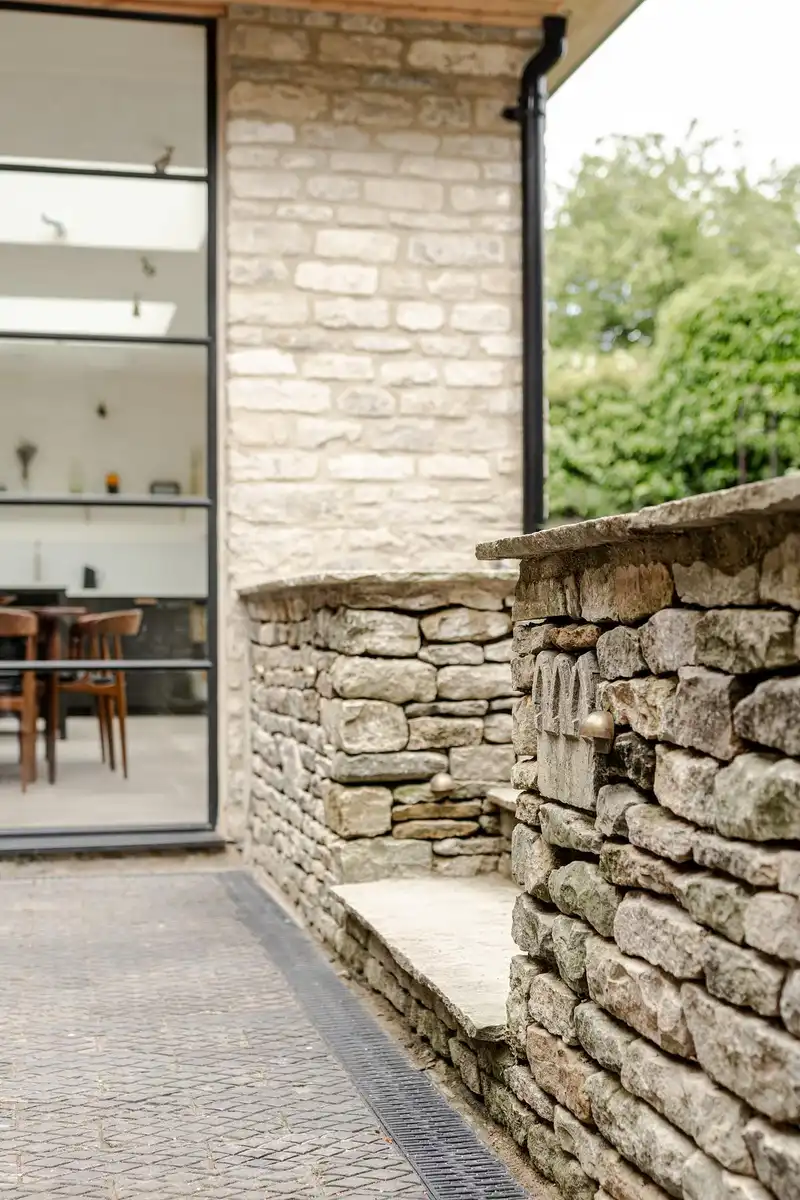
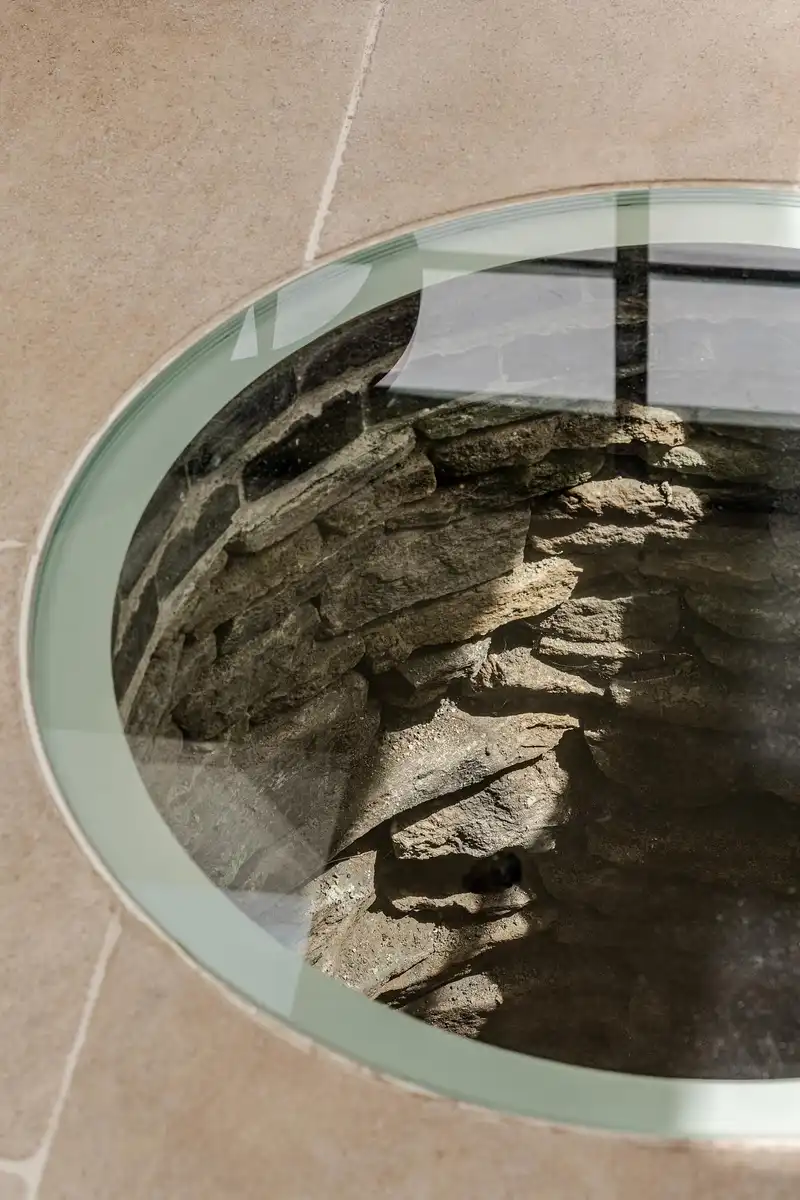
A refined palette of slim steel framing, large-format glazing, and Cotswold stone establishes a clear yet harmonious dialogue between old and new. Inside, the open-plan arrangement connects directly to the garden, allowing natural light to animate the space throughout the day. During excavation, a historic well was uncovered and retained as a feature beneath a glass floor panel, subtly illuminated to celebrate the site’s layered history.
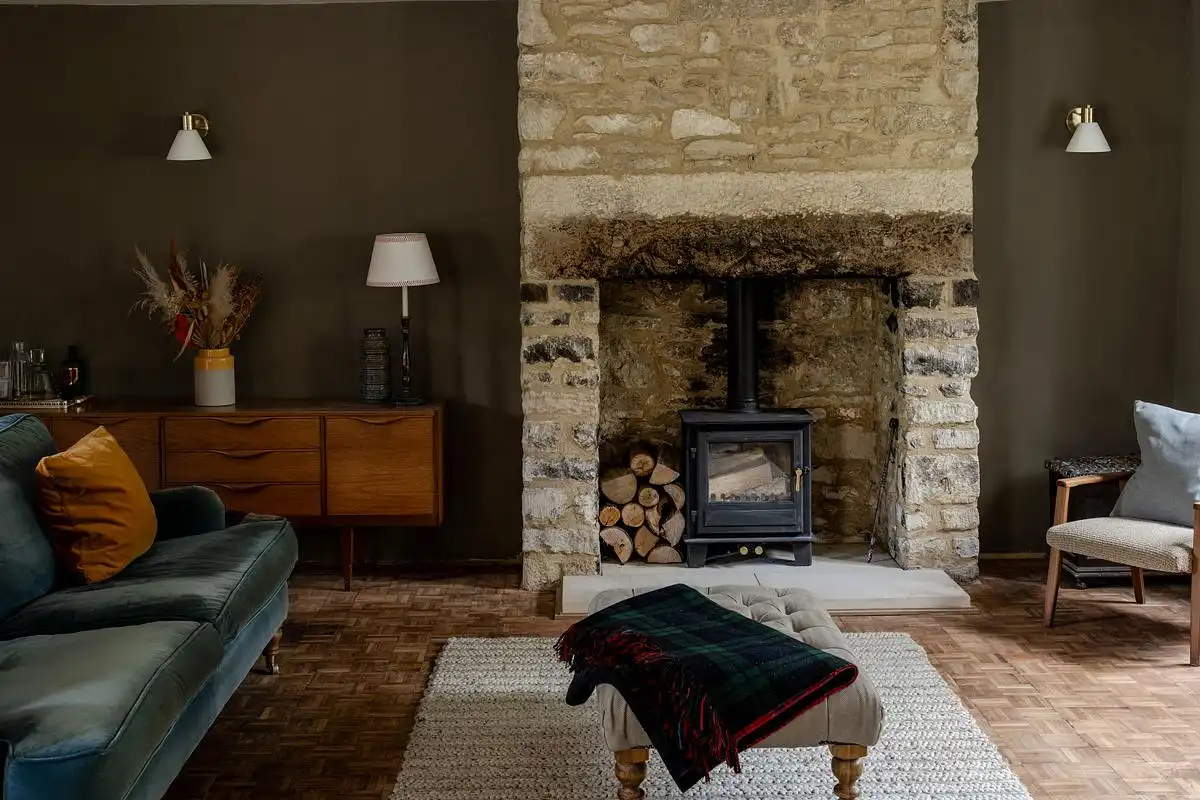
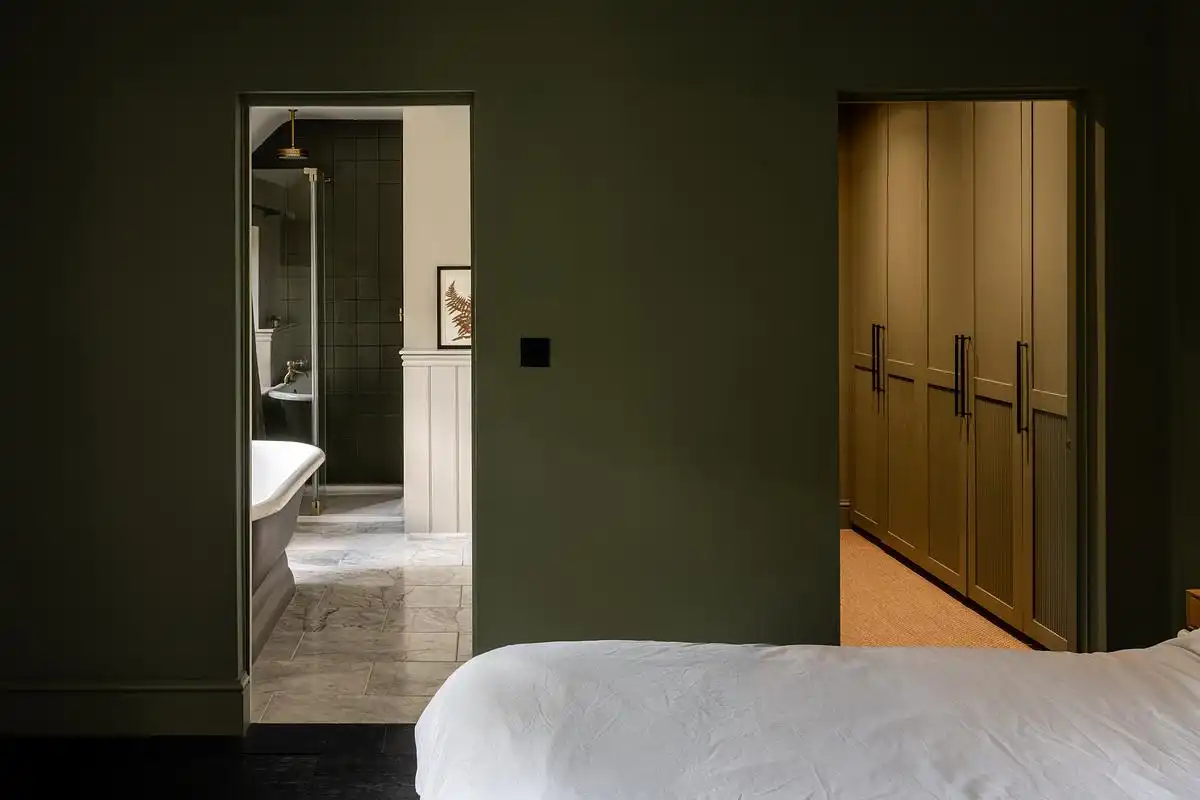
The result is a project that balances contemporary living with heritage sensitivity—demonstrating how thoughtful, restrained design can enhance the life of an existing building while preserving its unique character and the integrity of its conservation area setting.
Given ‘The Cottages’ is located within the Charlbury Conservation Area, what were the primary challenges and considerations in adhering to local planning regulations and preserving the historical integrity of the surroundings?
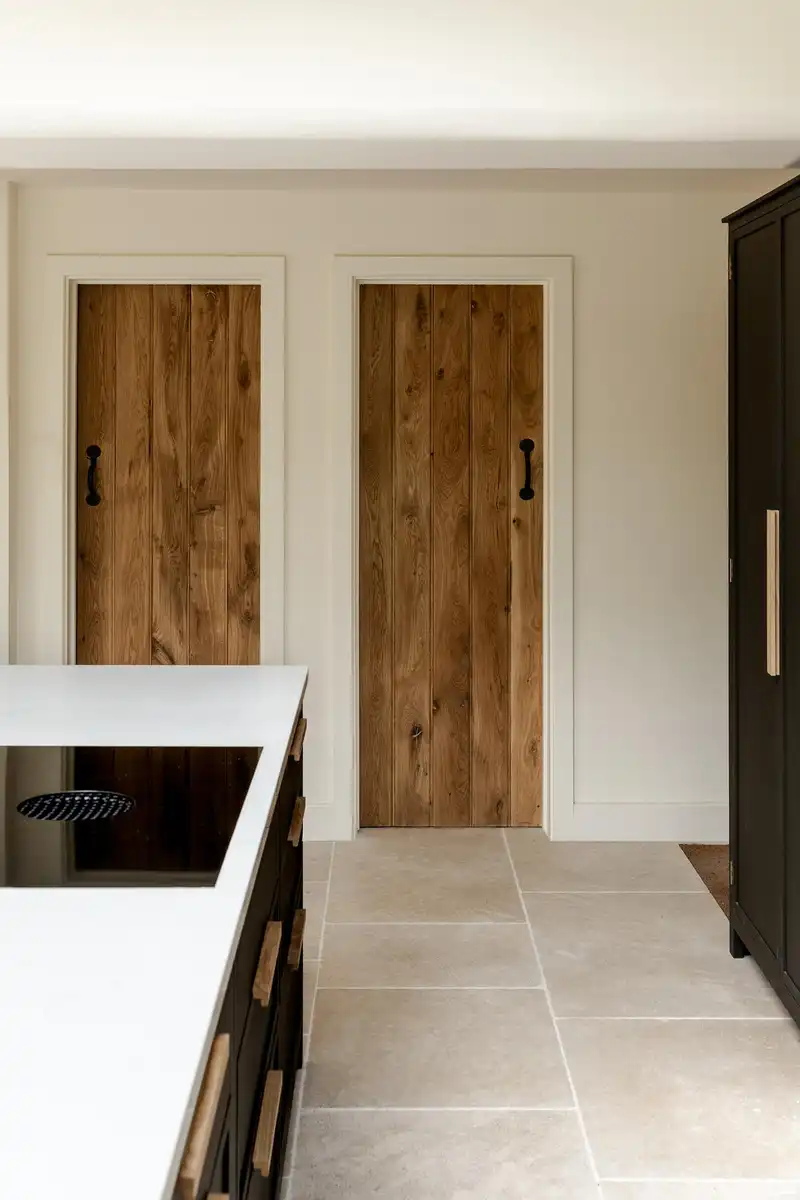
The Cottages sits within the Charlbury Conservation Area, so the biggest challenge was balancing the clients’ brief for a light, contemporary family space with the obligation to preserve the character of the historic setting. From the outset we focused on three things: scale, materials, and the treatment of historic fabric.
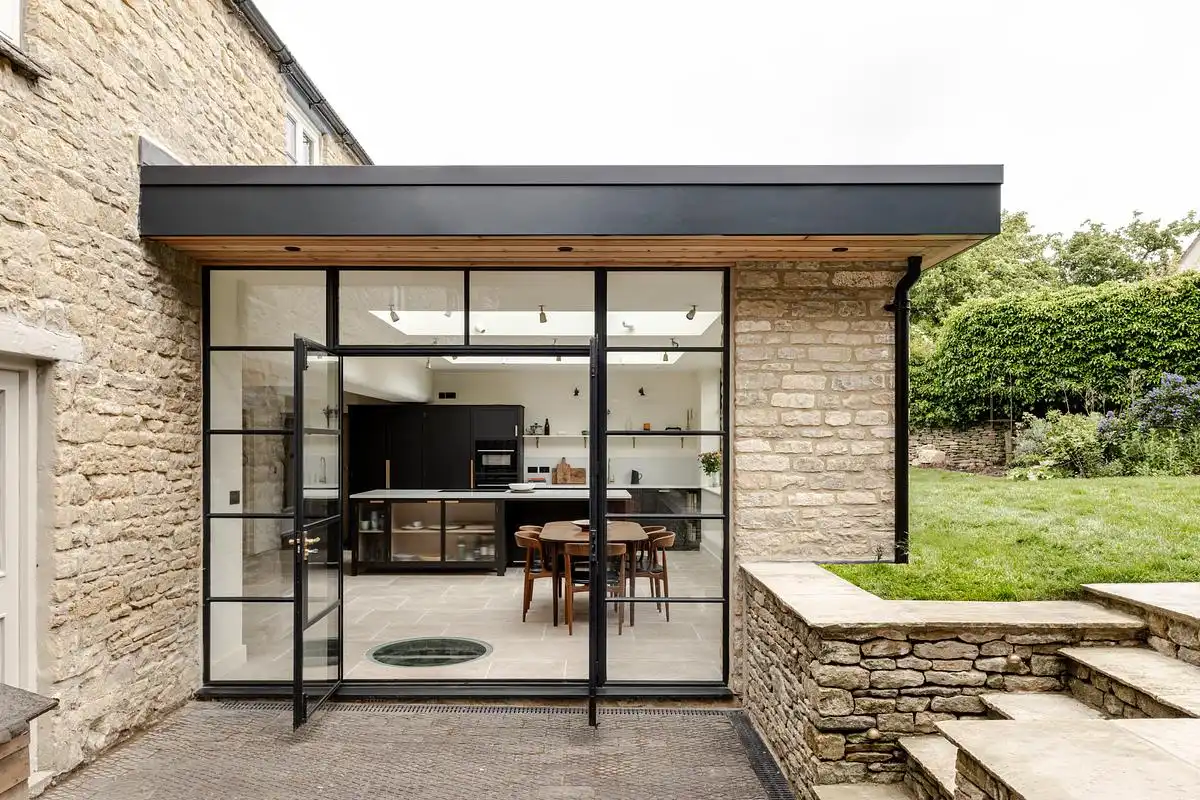
First, we kept the extension to a small, single-storey volume at the rear, ensuring the historic stone cottage remained the dominant mass when viewed from the street or neighbouring properties. This was key to satisfying conservation and local plan policies around subservience and visual impact.
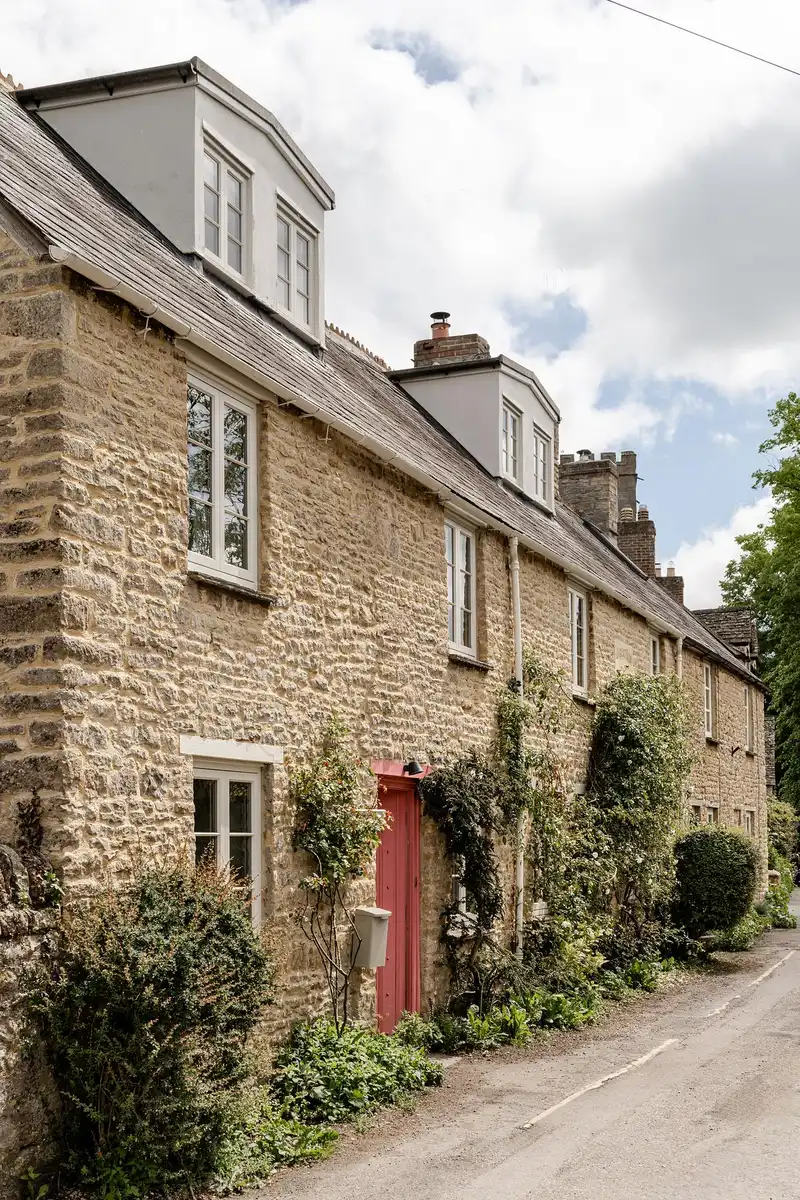
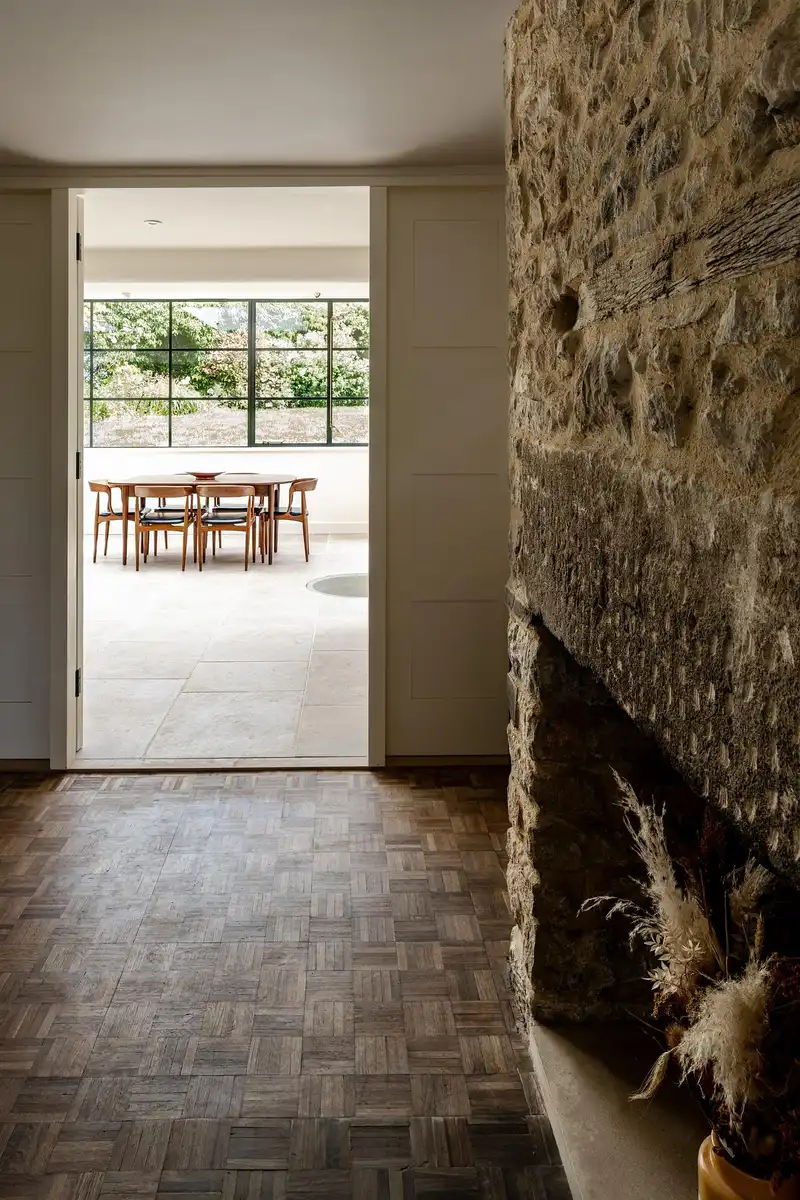
Second, we were very careful with materials and detailing. We used Cotswold stone where visible and paired it with a lightweight steel-and-glass structure, allowing the addition to feel contemporary yet unobtrusive. A conservation-style rooflight and a low, simple roofline helped it sit comfortably within the wider heritage context.
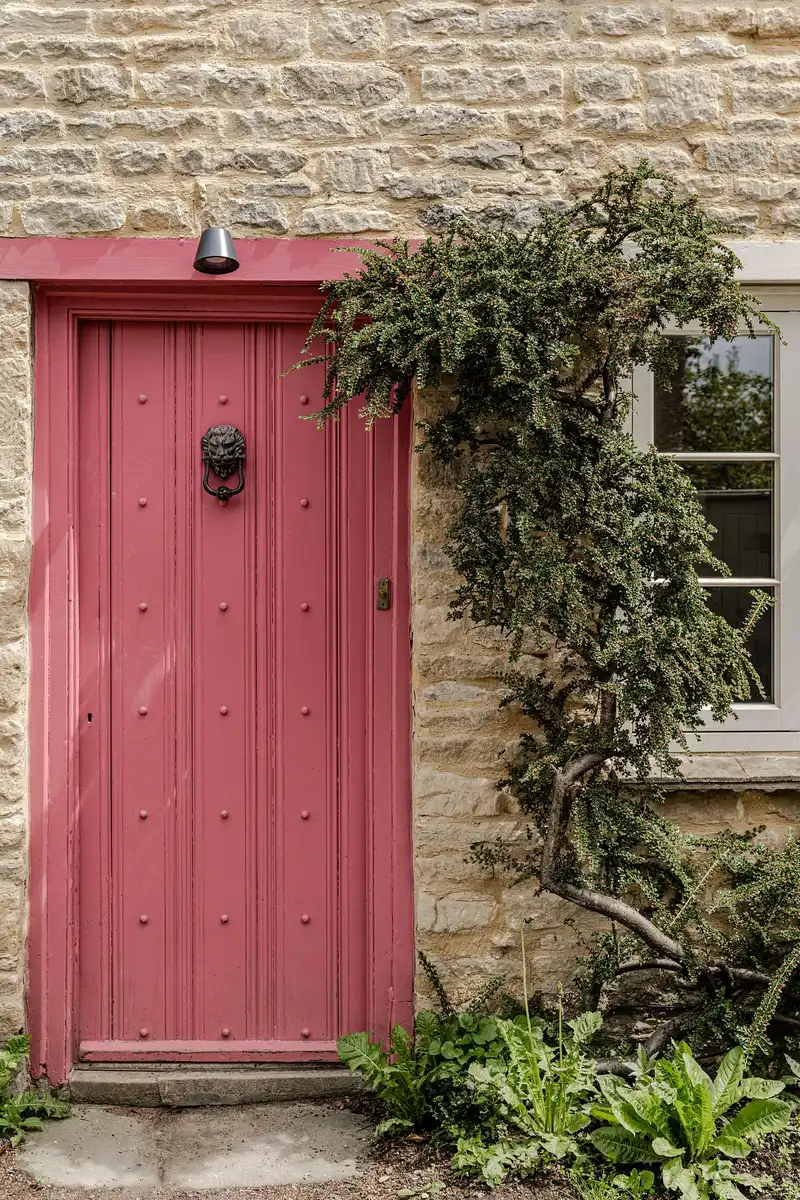
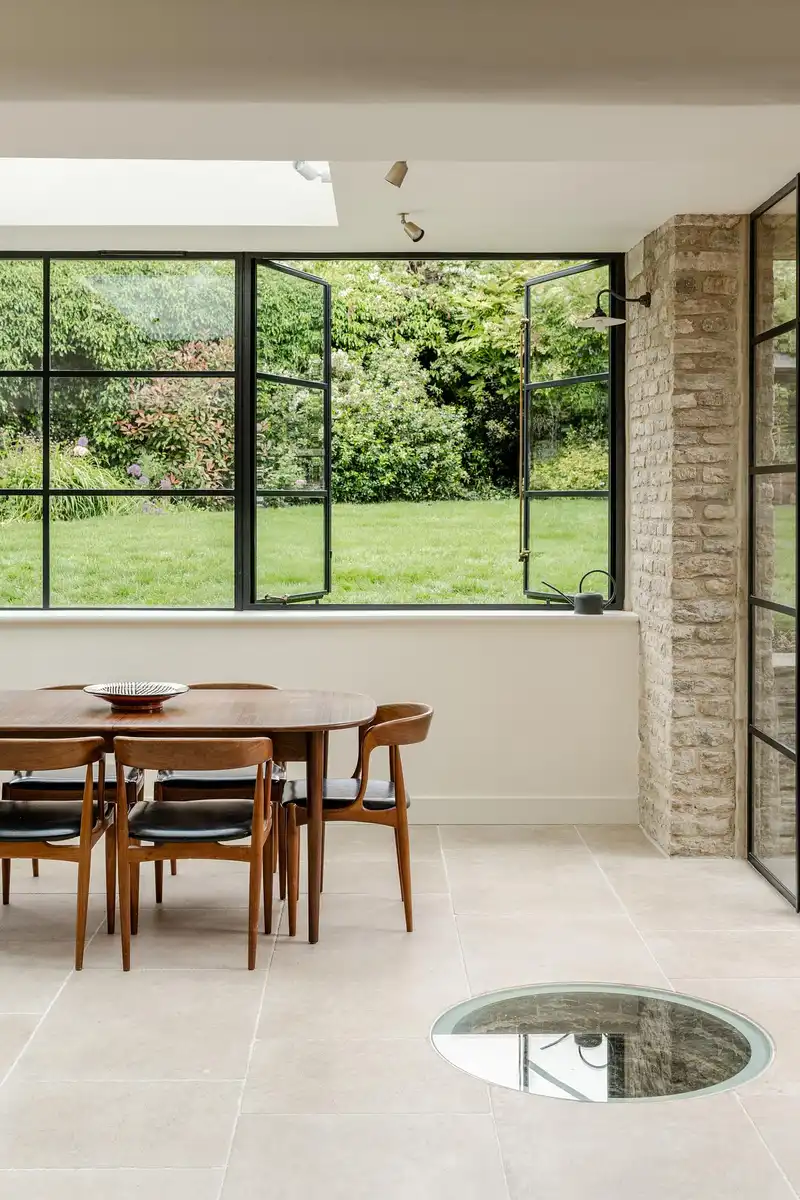
Finally, during construction we uncovered a historic well. Instead of removing it, we preserved it in situ and expressed it within the new space using a glass cover and subtle lighting. That decision helped demonstrate a sensitive approach to the site’s heritage significance.
Overall, the project required a close reading of local planning guidance and early engagement with the conservation officer, but by keeping the intervention modest, materially sympathetic, and honest in its design language, we were able to secure approval smoothly while enhancing both the functionality and the historic integrity of the property.
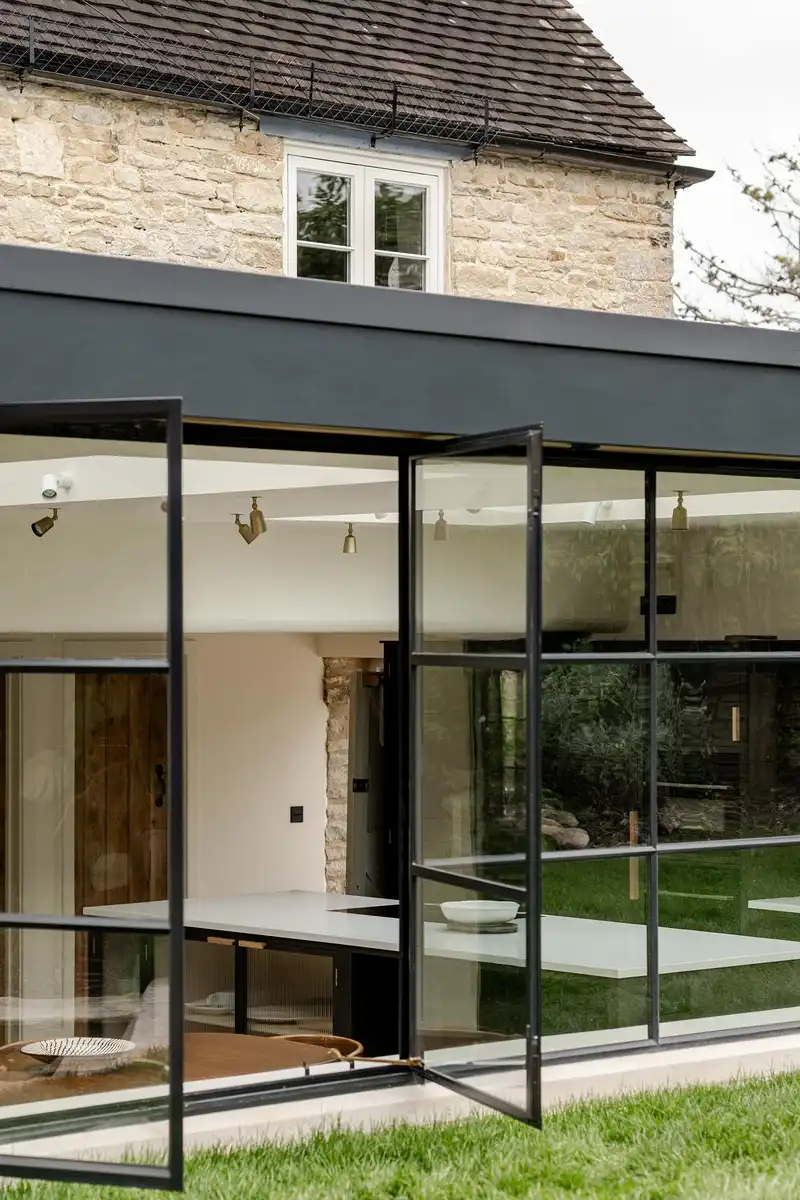
French + Tye are listed as photographers for ‘The Cottages’. What was the collaborative process like, and how do you believe their work captures the essence and unique qualities of the project?
In practical terms, it was a very collaborative process. We started with a shared walk-through on site, talking about what mattered most: the moment where old stone meets the new steel-framed glazing, the way the extension is sunken into the garden, and of course the historic well that became a lit, glass-covered feature in the floor. From that, we developed a loose shot list together – key views from inside looking out to the landscape, reverse views back to the original cottage, and a few carefully chosen exterior angles that show the extension as clearly contemporary but still deferential to the existing fabric. Because they specialise in architecture and interiors, they were very tuned in to things like junctions, material texture and how people might actually inhabit the space.
What I really value in their work on this project is how well the images tell the story of the design. Their use of natural light captures the sense of the new space as bright, calm and almost garden-like, while the cottage itself remains visually grounded and solid. The compositions always hold both elements in tension – you see the softness of the Cotswold stone and the crispness of the steel and glass in the same frame, which is exactly the balance we were aiming for architecturally. They were also very sensitive to the small moments: close-ups of the well, the stepping down into the sunken extension, and views that reveal how the conservation area context is preserved rather than overwhelmed.
Overall, their photography doesn’t just record the project; it reinforces the core ideas behind it – a respectful contemporary insertion, celebrating the existing building and its history while making it genuinely usable as a modern family home. That’s why we were so pleased to have them on The Cottages.
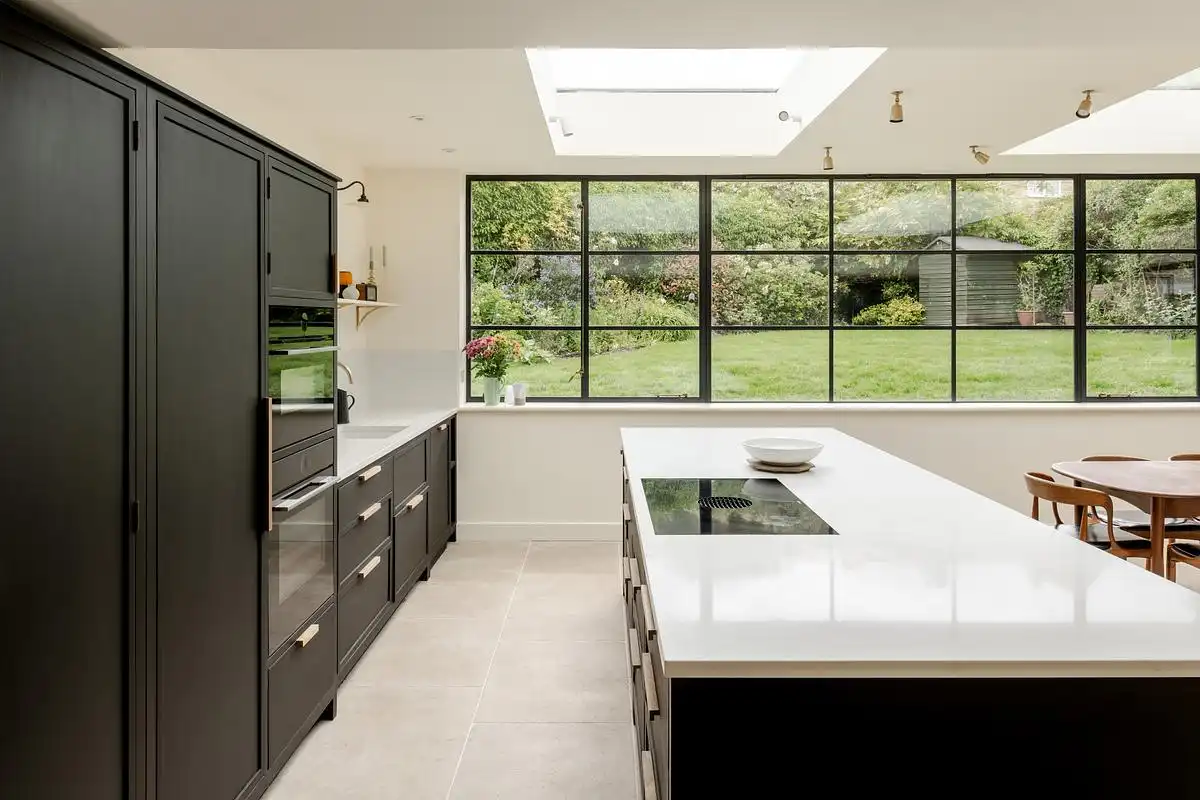
As a residential architecture project in a conservation area, what specific design choices or innovations were made to ensure ‘The Cottages’ offers modern living while respecting its historic context?
One of the key moments where modern living and historic sensitivity came together was during the groundworks, when we uncovered an unexpected historic well. Rather than infill it—which would have been the simplest construction route—we chose to celebrate its presence as part of the cottage’s story. We enclosed the well with a structural glass cover and integrated subtle feature lighting, turning what could have been treated as an obstacle into a focal point within the new living space. This approach captures the balance of the whole project: introducing contemporary design and usability while honouring the character, quirks and history that make the conservation area unique.
Architecture: NOTO Architects – https://notoarchitects.co.uk/
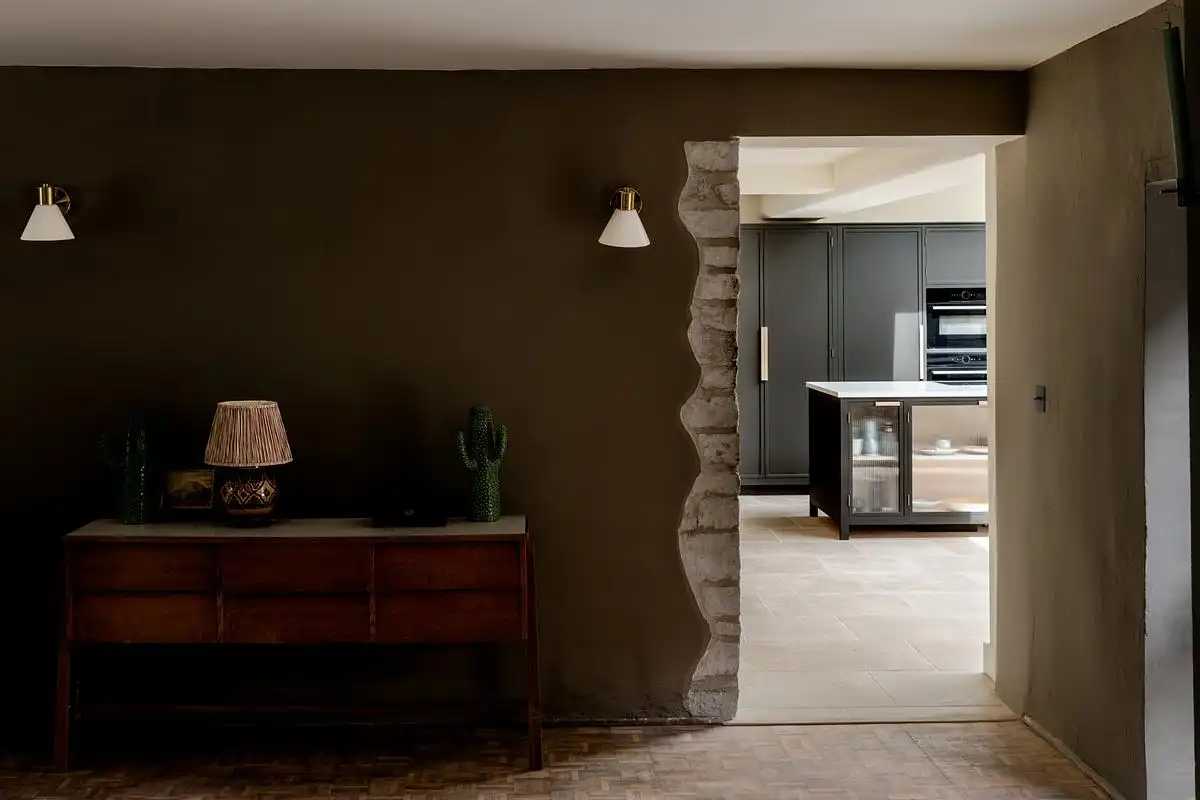
Photography: French + Tye
The Charlbury Cottages, Southern England images / information received 111225
Location: Charlbury, West Oxfordshire, Southeast England, UK.
Oxfordshire Home Designs
Contemporary Oxfordshire Houses – recent property selection from e-architect:
Heyford Park Homes, near Bicester
Design: Proctor & Matthews Architects ; Landscape Architect Kim Wilkie
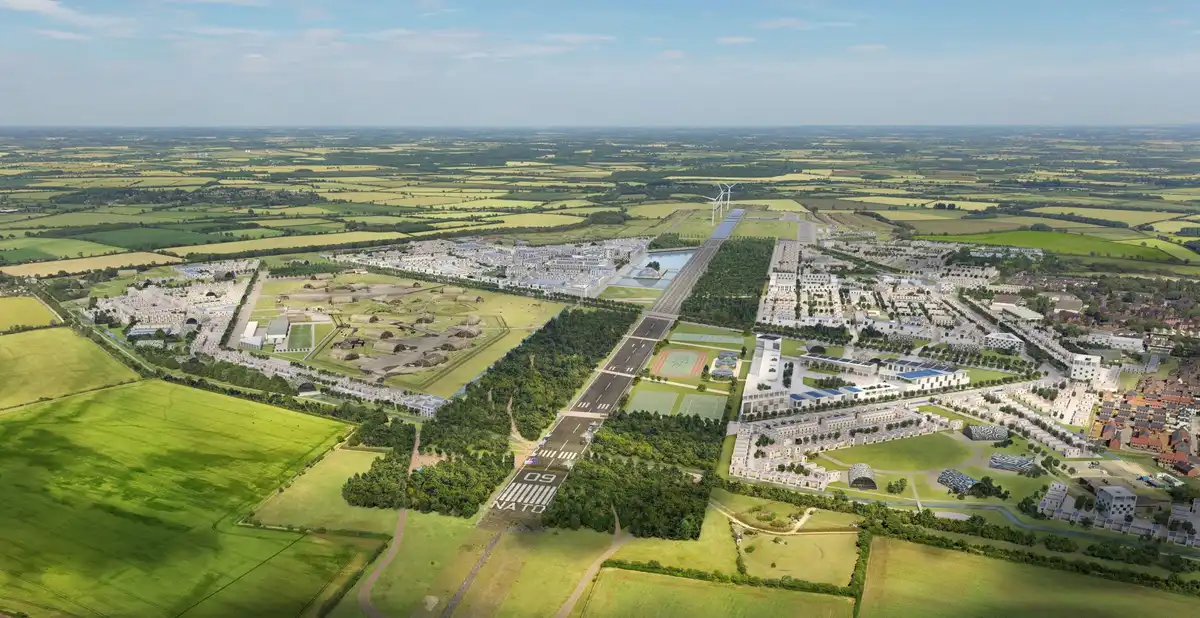
image courtesy of Dorchester Living
Oxfordshire Pond House
Architect: Kara Dickinson for Okopod
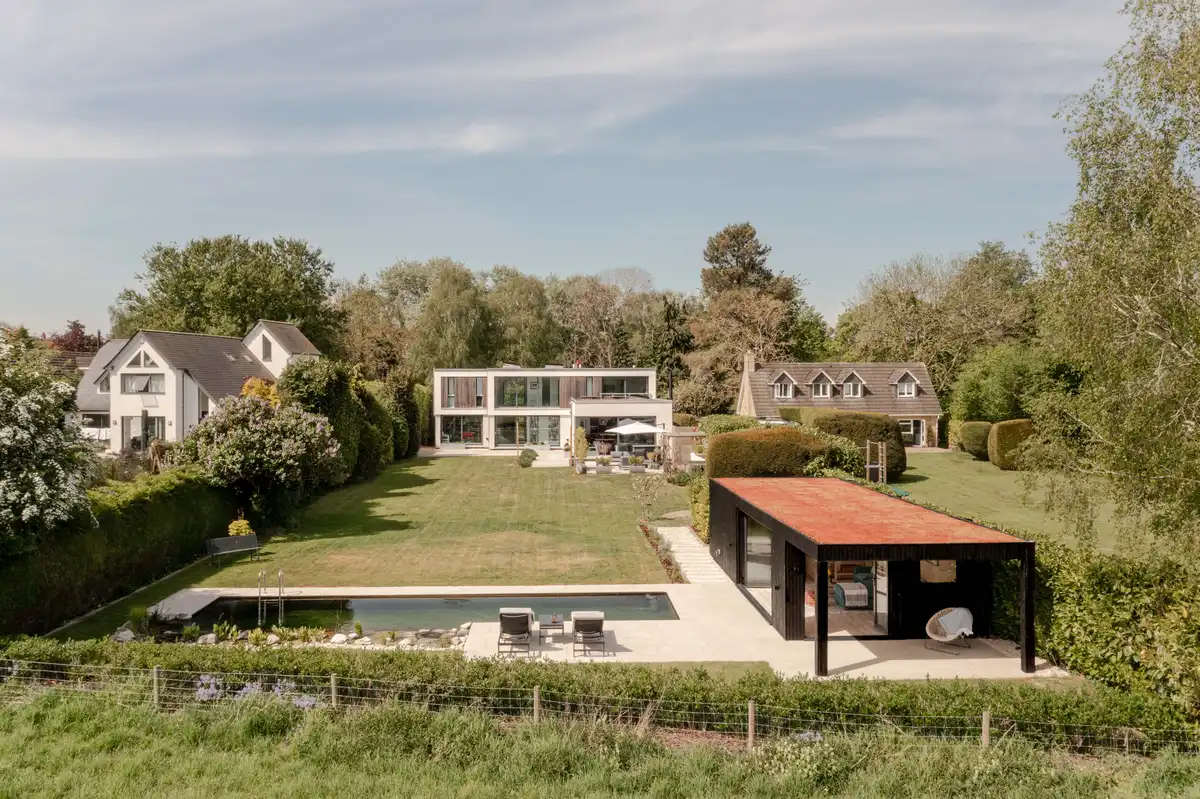
photograph : French + Tye
Oxfordshire Manor House
Architects: Mailen Design
Paddock Barn Guesthouse
Design: Blee Halligan Architects
++
Southern England Property Designs
Contemporary Property Designs in Southern England – recent architectural selection:
Holmwood Farm Wadhurst house, Wadhurst, High Weald Area of Outstanding Natural Beauty, East Sussex
Design: RX Architects
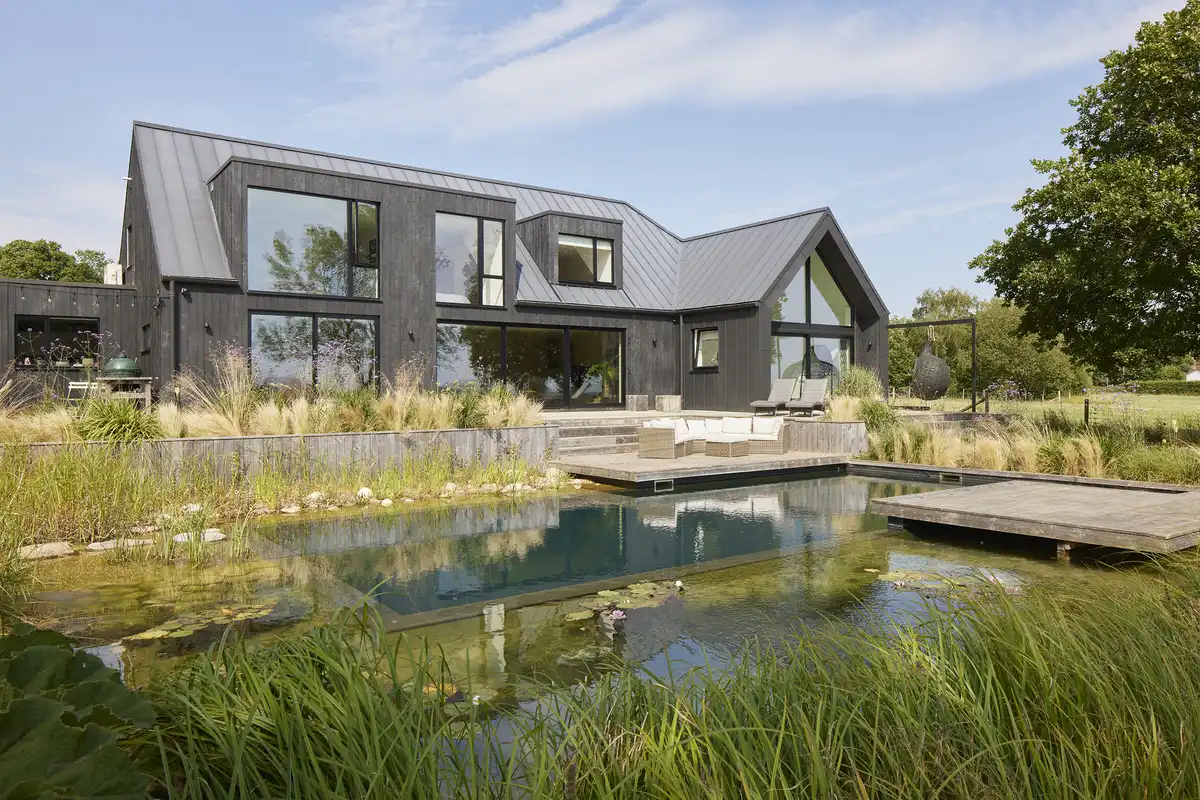
photo courtesy of architects office
Maple Lodge, Meadowcroft Conservation Area, south of Leicester
Design: Levitate Architects
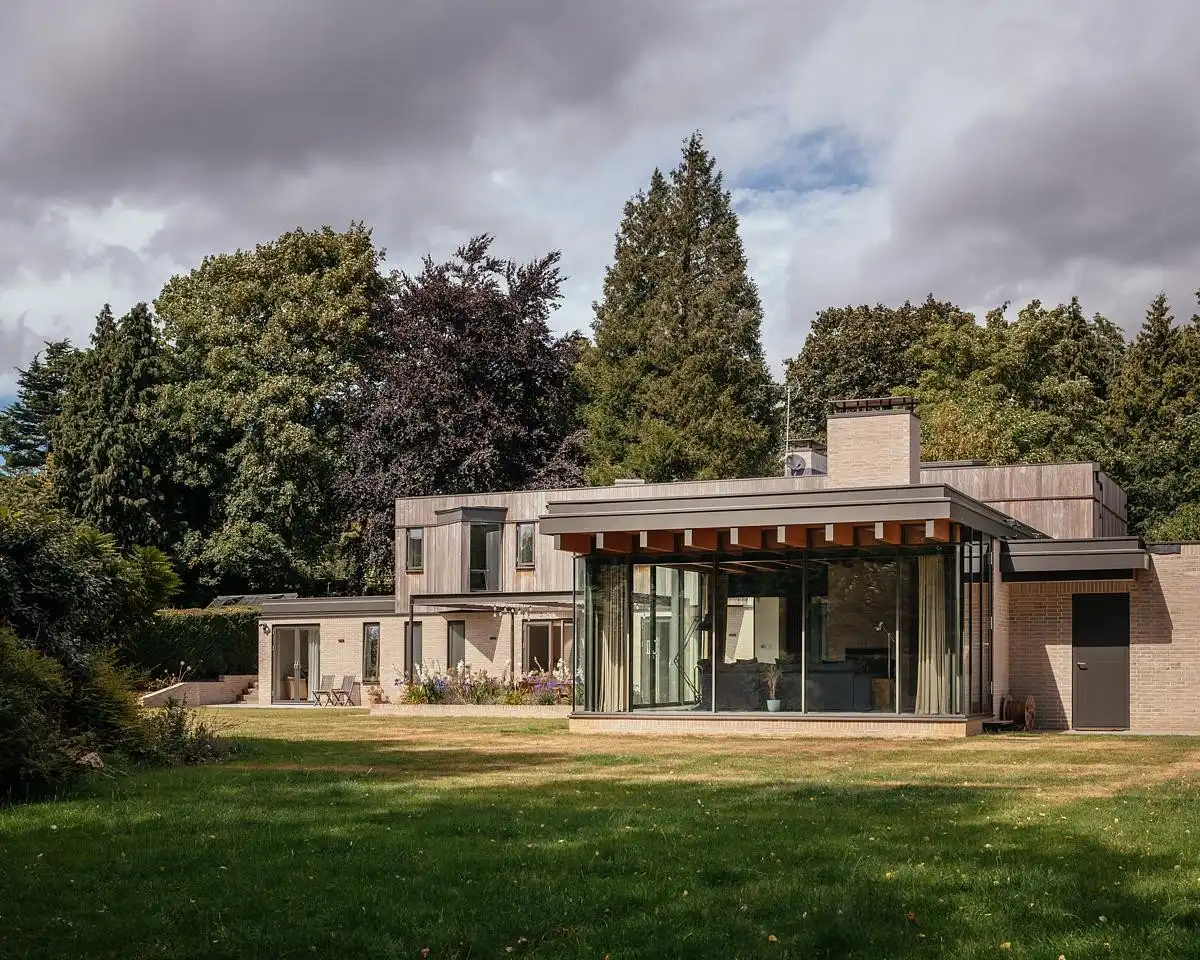
photo : Jim Stephenson
++
English Home Designs
English Residential Architecture
English Architecture Designs – chronological list
Comments / photos for the The Oxfordshire Pond House, Southern England property designed by NOTO Architects page welcome.