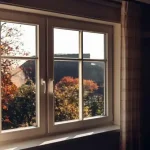
Why Window Design Remains the Most Underrated Variable in Building Performance
4 September 2026

image source : Thanos Pal on unsplash.com
Architects spend enormous energy debating facade materials, structural systems, and spatial planning, yet one of the most consequential decisions in any building’s performance profile often gets treated as an afterthought: the windows. Fenestration shapes daylighting, thermal comfort, and long-term energy consumption in ways that rival far more celebrated design choices.
The Numbers Behind a Familiar Weak Point
Windows have a long-documented reputation as the weakest link in a building envelope, and the data backs that reputation up. According to research published in the peer-reviewed literature on building science, windows are typically responsible for 25 to 30 percent of a building’s total heating, ventilation, and air conditioning energy use, despite occupying a much smaller share of the overall envelope surface area. This disproportionate impact stems from the simple physical reality that glazing and frame assemblies insulate far less effectively than opaque wall construction.
For architects working on both new builds and heritage retrofits, this figure reframes window selection as a performance decision, not simply an aesthetic or budgetary one. A facade can be beautifully detailed and structurally sound, and still underperform significantly if the glazing and frame specification behind it was chosen late in the process rather than integrated from the outset.
What Actually Determines a Window’s Performance
Two figures do most of the work in evaluating window performance: U-factor and Solar Heat Gain Coefficient. According to ENERGY STAR, a joint program of the U.S. Environmental Protection Agency and Department of Energy, U-factor measures how well a window insulates, with values generally ranging from 0.25 to 1.25; the lower the number, the better the insulation performance. All ENERGY STAR qualified windows must have these ratings independently tested and certified by the National Fenestration Rating Council rather than self-reported by manufacturers.
Solar Heat Gain Coefficient works differently, measuring how much solar heat is transmitted through the glazing rather than blocked by it. The ideal balance between these two figures depends heavily on climate zone, meaning a window specification that performs well in a northern heating-dominated climate can be a poor fit for a cooling-dominated southern one.
Where Frame Material Enters the Equation
The frame, not just the glazing, plays a significant role in overall thermal performance. Research on high-performance window assemblies has found that frames typically exhibit higher thermal transmittance than the glazing itself, meaning a well-specified glass unit can still underperform if paired with a poorly insulating frame material. Vinyl, fiberglass, wood, and aluminum-clad assemblies each carry distinct thermal profiles, and the choice among them is rarely just a stylistic one for architects working on energy-conscious projects.
This is part of why heritage and adaptive reuse projects present a particular challenge. Retaining historically appropriate wood window profiles while meeting modern thermal performance targets often requires custom manufacturing rather than off-the-shelf solutions, since standard stock sizes and profiles rarely match the sightlines original architects designed around.
Custom Manufacturing as a Design Tool
For architects working on heritage-sensitive residential projects, log homes, or custom builds requiring non-standard window shapes and profiles, working with a manufacturer capable of producing to specification rather than adapting stock sizes becomes a meaningful design advantage.
Golden Windows Limited, a Canadian manufacturer based in Kitchener, Ontario, produces wood, vinyl, and aluminum-clad window and door lines, including custom profiles designed to preserve the character of heritage homes while meeting current energy performance expectations. This kind of manufacturing flexibility matters most on projects where a stock casement or slider simply will not replicate the proportions or sightlines the original design calls for.
Questions Worth Raising Early in a Project
- What U-factor and SHGC targets does the climate zone actually require, rather than defaulting to a generic standard
- Is the frame material selected appropriate for the thermal performance target, not just the aesthetic
- Does the project require custom sizing or historically accurate profiles that stock manufacturing cannot provide
- How will window specification interact with the rest of the envelope’s insulation strategy
- Has the specification been independently verified rather than relying on manufacturer claims alone

Final Thoughts
Window specification rarely gets the same design attention as facade material or massing, yet it carries an outsized influence on a building’s actual energy performance once occupied. As energy codes tighten and clients increasingly expect measurable performance outcomes, treating window selection as a core structural decision, rather than a finishing touch, is likely to become less optional and more standard practice across residential and heritage-sensitive architecture alike.
The buildings that perform best over decades tend to be the ones where every envelope component, including the windows, was specified with the same rigor as the structure itself.
Comments on this guide to Window design building performance article are welcome.
Home Windows
Recently added Building Windows posts
Architectural window treatments
How Windows and Doors Shape a Home’s Design

++
Residential Property Design
Contemporary Property Designs – architectural selection:
Comments / photos for the Window design building performance advice – sustainable architecture design page welcome.