Why Paint Application Method Matters
9 October 2026
From Specification to Site: Why Paint Application Method Matters to the Final Architectural Finish
Architects can spend considerable time selecting the right colour and sheen for an interior, yet there is another decision that can have a noticeable effect on how that specification eventually looks: how the paint is applied.
A matt finish across a large plastered wall, a painted timber door and an exposed steel column may all appear under the finishes schedule, but they present very different challenges for the contractor delivering them. The substrate, scale of the surface, lighting and required level of finish all influence whether a brush, roller or spray system is the most appropriate choice.
For architects and specifiers, understanding those differences can help close the gap between the finish shown in the design and the one ultimately seen on site.

The same paint can look different once applied
Paint colour tends to receive most of the attention during specification, but texture has an important visual effect too.
A roller deliberately leaves a slight texture as it deposits paint across the surface. The extent of that texture varies according to the sleeve, coating and application technique. Brush application can leave its own marks, particularly on larger areas or where paint does not level sufficiently before drying.
Spraying works differently. The coating is broken into droplets and deposited across the surface in a controlled pattern. With the correct equipment and technique, this can produce a very uniform appearance with little of the texture associated with a roller.
That does not make spraying automatically superior. There are many surfaces where a roller or brush is entirely appropriate. The point is that application method forms part of the finished appearance and should be considered alongside the coating itself.
Large surfaces leave little room for inconsistency
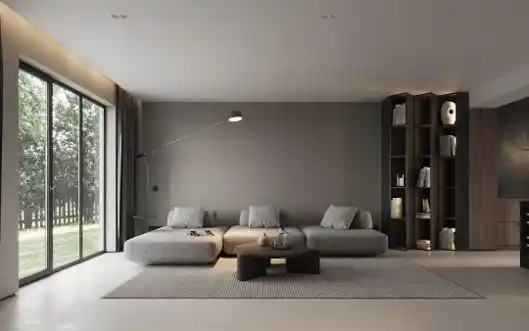
Contemporary architecture frequently makes use of large, uninterrupted surfaces.
Long corridor walls, open plan offices, gallery spaces, hotel interiors and expansive ceilings all place considerable emphasis on the quality of the finish because there is very little to distract the eye.
Light can make the difference even more apparent. Daylight entering from one side of a room can travel almost parallel to a wall, revealing changes in texture, poor repairs and variations in application. Linear lighting and carefully positioned artificial lighting can have a similar effect.
On these surfaces, consistency matters.
A specification that calls for a smooth matt wall should therefore be considered in relation to the substrate and the method by which that finish can realistically be achieved. If a particularly high standard is expected, that conversation is better had before decorating begins.

Different surfaces require different approaches
The appropriate application method can change considerably within the same project.
Large plasterboard walls and ceilings may lend themselves to airless application, particularly where substantial areas are being completed before the space is occupied. Doors, cabinetry and architectural joinery may require a system offering greater control and a finer finish.
Exposed steel, masonry and specialist coatings introduce another set of requirements. Material thickness, required coating build and the geometry of the surface can all affect the equipment used.
This is where a generic instruction to simply “spray the finish” becomes inadequate.
The coating manufacturer’s application requirements should come first, followed by the substrate, project scale and standard of finish expected. Spray Plant’s guide to selecting equipment for different types of work demonstrates how factors such as material viscosity, project size, pressure and spray tip selection change the equipment required for different applications.
For the design team, it is not necessary to specify the machine itself in most circumstances. What matters is recognising where the application method could influence the intended result and making the required standard clear.
Specification should reflect what happens on site
Paint is not simply a colour applied at the end of construction. It is a building finish with its own performance and application requirements.
RIBA approved CPD on understanding paint specification treats paint as a construction material and encourages architects to consider product types and specification decisions in that context.
That same thinking should extend to application.
A coating may have excellent durability, colour retention or cleanability on paper, but its appearance still relies on the substrate being prepared correctly and the material being applied within the manufacturer’s requirements.
This is particularly relevant where several trades contribute to the finished surface. Plastering, drylining, joinery and decoration may all influence the final result. By the time a defect becomes visible under the completed lighting scheme, simply applying another coat of paint may not resolve it.
Sample areas can settle questions early
Where finish quality is especially important, a sample area can be more useful than relying solely on a written specification.
This gives the architect and client an opportunity to assess the coating under the actual lighting conditions and against the materials that will surround it. It can also establish an agreed standard for the contractor to reproduce across the project.
For large walls or highly visible interiors, the sample should be big enough to show how the finish behaves across a meaningful area. A small colour swatch cannot demonstrate surface texture, application marks or the effect of directional light.
The same principle applies to painted joinery and other detailed elements. Agreeing the finish before production begins can prevent subjective arguments during snagging.

Preparation remains more important than application speed
Spray equipment can cover substantial areas efficiently, but it cannot disguise poor preparation.
Joint lines, rough repairs, surface contamination and badly filled fixings can all remain visible after the final coat. In fact, a particularly smooth finish may make defects in the substrate easier to see.
The required surface standard therefore needs to match the finish being specified.
This is also why application method should not be viewed purely as a productivity decision. Speed can be valuable on large commercial projects, but only when preparation, protection and sequencing have been planned around it.
Closing the gap between design and delivery
The final coat of paint may be one of the last operations carried out on a project, but its visual impact is immediate. Walls, ceilings, doors and other painted surfaces form the backdrop against which the architecture, furniture and lighting are experienced.
Architects do not need to dictate how every square metre is painted. They should, however, understand that application is capable of influencing texture, consistency and ultimately the success of the specified finish.
Where the appearance of a surface is important, discussing application with the contractor early, establishing an appropriate preparation standard and approving representative samples can remove a surprising amount of uncertainty later.
A successful paint specification should not end with a colour code and a product name. It should give the project team enough information to deliver the finish that was actually intended.
Comments on this guide to Why paint application method matters – home painting tips article are welcome.
Interior Design

Interior Design Posts
Designing tips for home interior guide
AI Interior Design future creativity

++
Architecture
Contemporary Architectural Projects

Comments / photos for the Why paint application method matters help guide – home painting advice page welcome