
What Homeowners Should Know About Durability When Choosing Roofing
1 February 2026
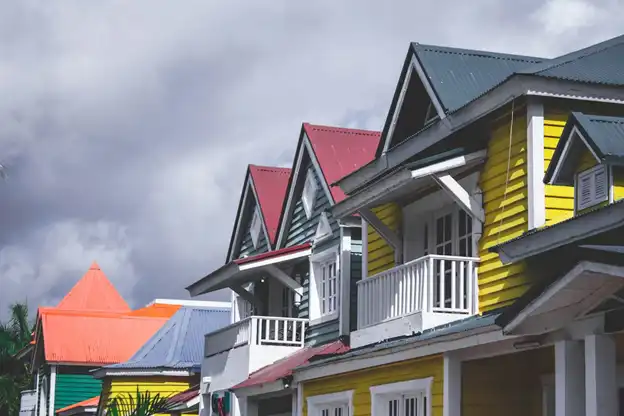
A roof has 2 jobs: shed water and take daily stress from sun, wind, and temperature swings. “Durable” can mean long life, fewer repairs, or steady performance in rough weather.
A smart choice starts with how roofs fail, not just how they look. A roof that seems fine on day 1 can still age fast if key details get skipped.
Define durability before comparing options
Durability is a blend of service life, resistance to damage, and the odds of small issues turning into leaks. The trade-offs look different on a simple gable roof than on a home with a low-slope section and lots of penetrations.
Many homeowners hear “durable roof” and picture a roof that never needs attention. The reality changes once you compare types of flat roofs with steep-slope options and match them to sun, hail, and water that sits after storms. Durability comes from material strength, tight edge details, and steady upkeep.
A roof can be tough, but it still wears out early if water keeps finding weak points. A roof can last a long time, but cost more to maintain if it has many seams and transitions.
Water management is the quiet durability test
Most roof trouble starts with water movement, not dramatic storms. A roof that drains fast dries out sooner and puts less stress on seams and fasteners. In cold climates, ice at the edge can hold water in place and push it into small gaps.
A RoofingCalc guide explains that most roofs people call “flat” still have a slight pitch so rain can run toward drains or scuppers. That small slope matters on every rainy day, since slow drainage raises the risk of ponding and leaks at laps, corners, and penetrations.
Drainage details deserve attention: gutters, downspouts, drain bowls, and overflow routes. If water has only 1 path out, a clogged outlet can turn the roof into a shallow pool.
Material life is real, and aging style matters
Durability is not only about how many years a roof survives. It is about how the material changes with age, and how easy it is to spot and fix early damage.
In a The Spruce overview of roof life, the typical range is about 25 to 50 years for many residential roofs. The spread is wide: material type, install quality, weather, and maintenance all push the outcome.
Different materials show wear in different ways. Shingles may lose granules and crack, metal can dent or loosen at fasteners, and low-slope membranes can split at seams. That aging pattern affects how early damage shows up and how repairs get planned. If you’re considering Colourbond roofing, this premium steel option offers excellent resistance to fading, corrosion, and thermal movement, helping delay those common aging patterns and reduce maintenance over time.
Here are common signals that a roof is losing durability:
- Curled, cracked, or missing surface material
- Soft spots or uneven areas that feel spongy
- Loose flashing at chimneys, walls, and roof edges
- Rust staining, exposed fasteners, or popped nails
- Water marks on ceilings or damp insulation in the attic
Details and installation can beat the product label
Two roofs made from the same material can perform very differently. The difference often comes from flashing shapes, fastener spacing, and how the roof ties into walls.
Watch the transition zones. Valleys, step flashing, parapet caps, and roof-to-wall joints take heavy water flow and thermal movement. If these areas are rushed, leaks can start long before the field material wears out. A careful install treats every seam like a future leak path.
Ventilation and indoor humidity control matter too. Heat trapped in an attic can bake shingles and dry out sealants, and trapped humidity can rot decking from the inside.
Maintenance protects the years you paid for
A roof does not need constant work, but it benefits from routine checkups. A short inspection can catch lifted flashing, cracked sealant, or debris trapped near drains.
Professional Roofing reports that NRCA recommends inspecting roof systems and making needed repairs twice a year. That rhythm lines up with seasonal stress points like spring storms and winter freeze-thaw cycles.
Keep the routine simple. Clear leaves from valleys and gutters, check that downspouts flow, and look for small openings around vents and pipes.
Plan for long-term durability, not just the first few seasons
A roof that lasts longer often starts with realistic planning. Think about how long the homeowner expects to stay, what weather is common, and whether the roof will carry extras like solar or HVAC units.
Keep records for years. Photos from installation, warranty paperwork, and repair notes help with future decisions and can speed up troubleshooting. Planning ahead lets repairs and upgrades happen on a calm schedule instead of after a surprise leak.
Durability is a cost story too. A longer-lasting roof can cut replacement frequency, yet a complex roof can raise repair costs. The best fit is the one that matches the house and stays straightforward to maintain.
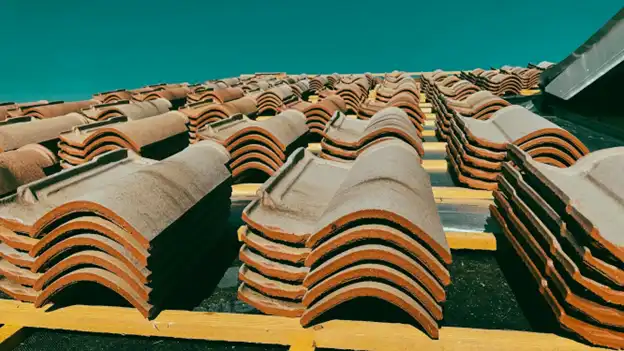
Durability comes down to how well your roof handles water every week, not just how it looks right after installation. Pick a system with reliable drainage, strong flashing at every transition, and a maintenance plan you will actually follow. When those pieces line up, you get a roof that stays dry longer, needs fewer surprise repairs, and holds its value year after year.
Comments on this guide to What homeowners should know about roofing durability article are welcome.
Home Roofing
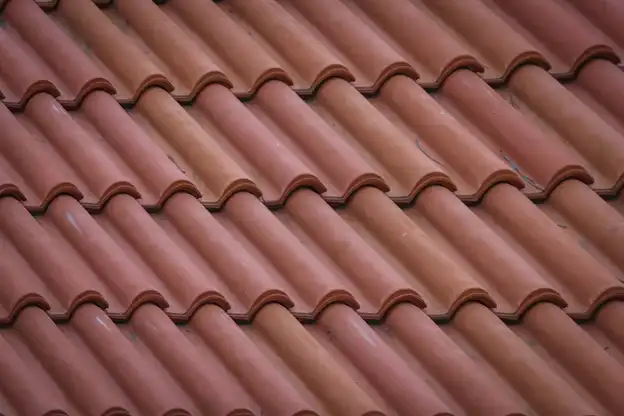
Roofing Posts
What You Need to Know About Replacing Your Roof
Why consider eco-friendly metal roof installation
10 helpful tips to avoid leaking roofs
++
Homes
Residential Architecture Articles
Comments / photos for the What Homeowners Should Know About Durability When Choosing Roofing – strong house roof builds page welcome.


