
Waterproof Shade Fabric Types for Outdoor Use
27 February 2026
If you are researching waterproof shade sail fabric, you are probably tired of guesswork and cheap covers that sag, leak, or fall apart. You want something that looks good, actually blocks rain, and stands up to heat, wind, and harsh UV without constant replacing. Choosing the right material creates the difference between a soggy headache and a dry, comfortable outdoor area.
The good news is that waterproof shade sail fabric has come a long way. You are no longer stuck with flimsy tarps or ugly plastic sheets that flap and crack. Today you can choose from solid materials like PVC, polyethylene, polypropylene, and polyester based fabrics.
These materials are made for permanent or semi-permanent shade structures. The trick is understanding how each fabric behaves in real life. You must match it to your patio, pool, playground, cafe, or driveway to get the best results.

What People Really Want From Waterproof Shade Sail Fabric
Let us be honest about why you are here. You are not reading about fabric types for fun. You have a specific problem you want to fix immediately.
Maybe your current shade sail leaks at the seams or lets water pool in the middle. Maybe it faded, ripped, or went brittle after a couple of summers in full sun. Most people searching for a waterproof sun shade sail are chasing five specific things.
- Real rain protection instead of just light drizzle resistance.
- Strong UV block and heat protection so it feels cooler underneath.
- Durability in sun, wind, and changing temperatures.
- A nice clean look that suits the house or building.
- Good value over time, not just the cheapest regular price item.
That is why the type of fabric matters so much. The frame design and install play a part. However, the fabric is where the water, wind, and sun hit first.
Main Types Of Waterproof Shade Sail Fabric
Most waterproof shade structures use one of four material families. Each has pros and cons for cost, looks, lifespan, and ease of DIY install. These are the most common choices for waterproof shade sail fabric.
- Polyethylene fabric sheets.
- PVC vinyl coated fabric.
- Woven or knitted polypropylene fabric.
- Polyester fabrics with a waterproof coating.
On paper they can sound similar. In real life, they behave very differently once you hang them up over a hot deck or windy driveway. You also have to choose between standard sizes or ordering custom sizes for a perfect fit.
Polyethylene Waterproof Fabrics
Polyethylene, or PE, sits at the budget end of waterproof shade sail fabric. If you have seen white temporary covers or basic tarp style roofs on worksites, you have seen PE in action. It keeps water out at the start.
PE sheets come in different grades, thicknesses, and weights. The thicker grades handle abuse better. They are tough enough to deal with regular use for a while.
This material often blocks both rain and sun effectively from day one. But this material has some important trade offs. People often miss these details when looking at the sale price.
Pros Of Polyethylene Shade Fabrics
- Very low up front cost compared to other waterproof fabrics.
- Lightweight, so easier to move around before install.
- Solid initial water block and basic UV protection.
For short term jobs or very tight budgets, PE can still play a role. Think of it as a temporary grommet shade rather than a permanent architectural feature.
Cons You Should Know About
- Lower melting point, so it hates high friction sewing.
- Can become brittle after repeated hot and cold cycles outdoors.
- More likely to crack or tear after a few seasons.
- Hard to sew at home without melting needles.
If you want a neat custom shade sail cut to shape and professionally tensioned, PE starts to make less sense. The fabric itself is cheap. However, the shorter life and sewing hassles can wipe out any savings.
PVC Vinyl Waterproof Fabrics
PVC, sometimes just called vinyl, is one of the workhorses of permanent waterproof shade sails. It is used on many commercial structures and high end residential sails. Think of tight looking canopies that stay firm and neat year after year.
PVC fabrics start with a strong base layer, often polyester, then add a vinyl coating that keeps water out. Higher grade heavy duty fabrics add more layers. These surface treatments resist dirt, stains, and UV damage.
Many specialist manufacturers trust these for serious architectural projects. If you want a tensioned canopy, PVC is often the backbone material.
Benefits Of PVC Shade Sail Fabric
- Excellent strength once tensioned over a frame.
- Great long term waterproofing, including at welded seams.
- Strong UV resistance means less fading and breakdown.
- Does not shrink or stretch much over time.
- Easy to clean with a hose and soft brush.
Quality PVC fabrics used in shade sails can often deliver service lives in the range of 10 to 20 years. You must care for them and install them correctly. Many commercial awnings use these same materials for that reason.
Drawbacks Of PVC Fabrics
- Higher price than basic PE sheets.
- Heavier fabric weight requires solid fixings.
- Can be harder for first time DIY builders to cut.
There is a clear trade off here. You spend more on the fabric and usually want a more skilled installer. In return, you get a waterproof sun shade that looks professional.

Polypropylene Waterproof Fabrics
Woven or knitted polypropylene, often shortened to PP, is another strong choice. It gives you an interesting blend of properties. You get high strength and good weather resistance.
The fabric still feels lighter and easier to work with than thick PVC sheets. These fabrics can be fully waterproof. Yet, some versions are designed as breathable shade sails.
A breathable shade allows hot air to escape. However, for rain protection, you need the waterproof version. If you plan to keep your structure up for many years, polypropylene is worth a look.
What Makes PP Fabrics Stand Out
- High strength and toughness in both woven and knitted versions.
- Good waterproof and fade resistant properties.
- Stable size, with little stretch or shrink over time.
- Better long term comfort under the sail.
Compared to cheaper fabrics, PP costs a bit more. The long term comfort and stability help repay that cost. It is an investment in your outdoor living space.
Where Polypropylene Works Best
- Family patios and pool areas that see regular use.
- Cafes or play areas that need long lasting comfort.
- Permanent sails where a softer fabric look is preferred.
If you want your custom shade to feel like high grade outdoor fabric, this is a good path. It avoids the heavy industrial sheet look.
Polyester Based Waterproof Fabrics
Polyester, often marked as PES, shows up in many shade sail fabrics as the core yarn. On its own, basic polyester is not fully waterproof. Manufacturers mix it with waterproof and water repellent coatings.
They usually use PU or PVC to create a true waterproof membrane. This layered structure is why you often see fabrics described as water resistant. Products like Polyplan 680 follow this style.
They start with strong polyester and wrap it in protective layers. Done right, this mix creates fabrics that balance strength and weight.
Strengths Of Polyester Based Shade Fabrics
- Strong yarn that handles long term outdoor use.
- Very good resistance to stretching and warping.
- Lighter weight than thick solid vinyl.
- Good UV and color hold with the right coating.
These fabrics can feel easier to tension and form than solid PVC. This is helpful on more detailed designs and curves. It allows for creative shapes in your garden.
Things To Watch For
- Coating quality matters for real waterproof performance.
- Some versions are harder to cut or sew at home.
- Lower grade products can lose coating over time.
This is one case where brand and fabric data sheets really matter. A well-engineered polyester based waterproof shade sail fabric is a smart choice. A bargain coated sheet usually is not.
Comparing Waterproof Shade Sail Fabric Options
It helps to see how the main materials compare side by side. Think about lifespan, cost, looks, and ease of living with the sail. This table breaks down the key differences.
| Fabric Type | Typical Cost | Durability | Waterproof Level | DIY Friendly | Best For |
| Polyethylene (PE) | Low | Low to medium | Good at first | Hard to sew, simple to tie | Short term grommet shade sails |
| PVC vinyl | Medium to high | High | Excellent | Better with pro help | Long term, heavy duty frames |
| Polypropylene (PP) | Medium | High | Very good | Moderate | Homes, pools, play areas |
| Polyester based | Medium | High with quality coating | Very good to excellent | Moderate | Curved designs, tensioned sails |
This is not a lab grade chart. It gives you a clear idea of why serious builders move away from basic PE. The slight extra spend on PVC or high grade coated polyester buys durability.
When you look at the regular price versus the sale price, remember longevity. A cheaper waterproof sun shade that needs replacing yearly costs more in the long run.
Understanding Cuts And Configurations
The way your waterproof shade sail fabric is cut impacts its performance. You might encounter terms like cross-cut sail or radial sail. A cross-cut sail uses panels sewn parallel to each other.
This is a standard method for many shade sail accessories and basic cloths. A radial sail, however, is designed with panels radiating from the corners. This design distributes stress more evenly.
For high wind areas, a radial performance sail is often the superior choice. The radial performance cut prevents sagging in the center. It allows for higher tension at the corners.
You can use a sails configurator tool online to visualize these cuts. This helps you decide if you need a performance sail or a standard one. Always consult a size guide before ordering to avoid fitment issues.
Retractable And Roll-Up Shade Solutions
Fixed sails are great, but sometimes you want the sun. This is where a roll-up shade sail becomes very useful. These systems allow you to extend or retract the cover as needed.
You can find a manual roll-up system that uses a hand crank. Alternatively, a motorized roll-up sail offers ultimate convenience. You simply press a button to deploy the waterproof sun shade.
These function similarly to indoor roller shades but are built for the outdoors. Brands like Ez Breez offer systems designed for easy operation. A retractable shade is perfect for multipurpose areas.
Retractable shade sails are ideal for pergola covers. You can open them to see the stars at night. When the rain comes, you simply close the roll-up shade.
You can even find wall-profile sail tracks that mount directly to your house. This eliminates the need for extra posts near the building. It creates a seamless look with your existing architecture.
How To Choose The Right Waterproof Shade Sail Fabric
It is easy to get stuck comparing specs and product names. Step back and think about how you will use your shade area. Your real life use matters more than a tiny difference in fabric weight.
Step 1: Decide Your Main Goal
Ask yourself a simple question. Do you care more about maximum lifespan or lower first cost? If you are setting up a commercial cafe, lifespan wins.
If you just want some cover over a side path, a cheaper setup works. You might be fine with a standard grommet sail. Review a buying guide for your specific application.
Step 2: Think About Climate And Weather
Hot, high UV locations will punish weaker fabrics very quickly. Groups like the Skin Cancer Foundation highlight the intensity of UV rays. Proper shade structures help cut long term skin risk.
If you live in a place with strong sun, look for fabrics with high UV block ratings. Strong winds push you towards PVC and well tensioned membranes. You need a waterproof sun shade sail that can handle the gusts.
Step 3: Match Fabric To Structure Style
Framed structures like carports usually do best with PVC. These sit tight, shed water, and work nicely with steel frames. A wall kit can help anchor one side to your home.
Freer forms may lean more to PP or lighter coated fabrics. These follow the curve of the sail better. They can be easier to tension in a visually pleasing way.
Design Tips To Avoid Sagging And Water Pooling
You can pick the best waterproof shade sail fabric and still have problems. Water hates flat surfaces. You must give it a slope and a clear run off path.
- Use plenty of slope on at least one corner for drainage.
- Add a twist between corners so the sail forms a shallow shape.
- Keep good tension to avoid fabric flapping and ponding.
- Make fixing points strong enough to handle wind load.
Refer to a tensioning guide to get the tightness right. Proper sail tensioning is critical for waterproof fabrics. Without it, water will gather and stretch the material.
Consider using an adjustable height pole. This allows you to lower one corner when rain is forecast. The adjustable height feature is a game changer for drainage.
Using an alu simple system can streamline the installation. Always ensure your stainless steel hardware is rated for the load. A sail tensioning guide will show you how to use turnbuckles correctly.
Real Life Uses For Waterproof Shade Sail Fabric
Once you start paying attention, you see shade sails almost everywhere. Homes use them over patios and carports. Schools and councils add them over sandpits.
Cafes and restaurants rely on them to grow seating numbers. You might see a bright orange orange shade sail at a playground. In sunny cities, local companies specialize in these structures.
For example, West Coast Awnings talks about their work with each shade sail they install. They describe layouts and support designs for mixed use spaces. These projects often use long lasting fabrics.
Professionals know what hot sun and summer storms do to cheap material. They often recommend custom shade sails for odd shaped areas. Standard sizes rarely fit complex commercial spaces perfectly.
Cleaning And Looking After Your Shade Sail Fabric
You do not need a long chore list to keep a quality waterproof shade sail fabric looking good. But some basic care goes a long way. This stretches the life of the sail.
- Rinse with clean water a couple of times a year.
- Use a soft brush and mild soap for any stuck grime.
- Avoid strong chemicals that could damage coatings.
- Check shade sail accessories and posts each season.
If you notice sagging, check the sail tension. A quick adjustment can stop flap damage. This helps the sail keep its neat shape.
Treat your shade cloth gently when cleaning. Harsh scrubbing can remove waterproof coatings. Always follow the manufacturer’s instructions.
When You Should Call In The Pros
If your project is small, you may feel confident handling it yourself. Many people successfully put up a grommet shade sail on back patios. Just remember that fabric acts like a giant parachute.
For large spans, car shade areas, or jobs near power lines, call an expert. They can pick the right waterproof shade sail fabric. They also handle engineering details that keep you safe.
Local shade specialists understand regional codes. They can help you with a comprehensive installation guide. They will set you up with a sail that passes checks.
Conclusion
Waterproof shade sail fabric is the silent hero of any dry outdoor space. Get the fabric wrong and you end up fighting leaks and sagging edges. Get it right and you gain years of cool shade.
Polyethylene sits at the cheap end and works for short term jobs. PVC vinyl, polypropylene, and high grade polyester based fabrics cost a bit more. They reward you with real durability and stronger UV defense.
Match that fabric to a well designed, properly tensioned structure. Whether you choose a fixed custom shade sail or a motorized roll-up, quality matters. Your outdoor area becomes a reliable extension of your home.
Focus less on the initial sale price and more on long term value. Think about how your space should look in five years. That thinking leads you to the best waterproof shade sail fabric for your needs.
Comments on this guide to Waterproof shade fabric types for outdoor use at home article are welcome.
Home Backyard Design
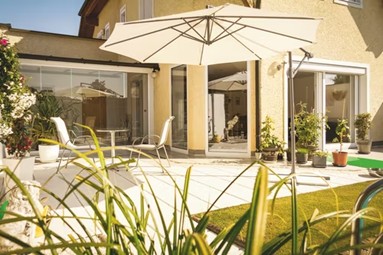
photo on Unsplash
Backyards Posts
Backyard Deck Design Trends to Look for
Outdoor shade sails to keep cool in summer
Create a Relaxing Backyard Landscape Design
++
Gardens Landscape Design, Backyards
Home Windows, Shutters And Blinds
Building Articles
Residential Architecture
Comments / photos for the Waterproof shade fabric types for outdoor use at home advice page welcome


