The Complete Homeowner’s Guide to Vinyl Fence Panels
27 November 2025

Vinyl fence panels have become one of the most popular fencing options among homeowners—and for good reason. They’re durable, low-maintenance, and available in a wide range of modern designs that can match nearly any home style. Whether you’re upgrading your backyard, improving privacy, or replacing an older fence, vinyl fence panels offer long-term value that wood and metal fences often can’t match.
This guide breaks down everything you need to know before purchasing vinyl fence panels, from material quality and panel types to installation, maintenance, and cost considerations.
What Exactly Are Vinyl Fence Panels?
How Vinyl Fencing Is Made
Vinyl fencing is made from PVC (polyvinyl chloride), strengthened with UV inhibitors and impact-resistant additives that help the panels withstand sun exposure, moisture, and weather damage. Most high-quality vinyl fence panels include internal ribbing or steel reinforcement to increase stability.
Unlike wood, vinyl doesn’t rot, warp, splinter, or attract insects. And unlike metal, it doesn’t rust.
Why Vinyl Panels Became So Popular
Homeowners choose vinyl because it’s long-lasting and requires almost no maintenance. There’s no staining, painting, or sealing required—just occasional cleaning. Vinyl fence panels tend to hold their color well and offer a clean, modern look that stays consistent year after year.
Compared to wood, vinyl lasts significantly longer. Compared to metal, it’s often more affordable and much easier to maintain.
Types of Vinyl Fence Panels (And Which One You Need)
Privacy Vinyl Fence Panels
These full-coverage panels are ideal for backyards and residential areas where privacy is important. They create a clean, seamless appearance.
Semi-Privacy Panels
These panels include small spacing or decorative slats that allow airflow while still offering moderate privacy. They’re great for side yards or properties where visual openness is preferred.
Picket Fence Panels
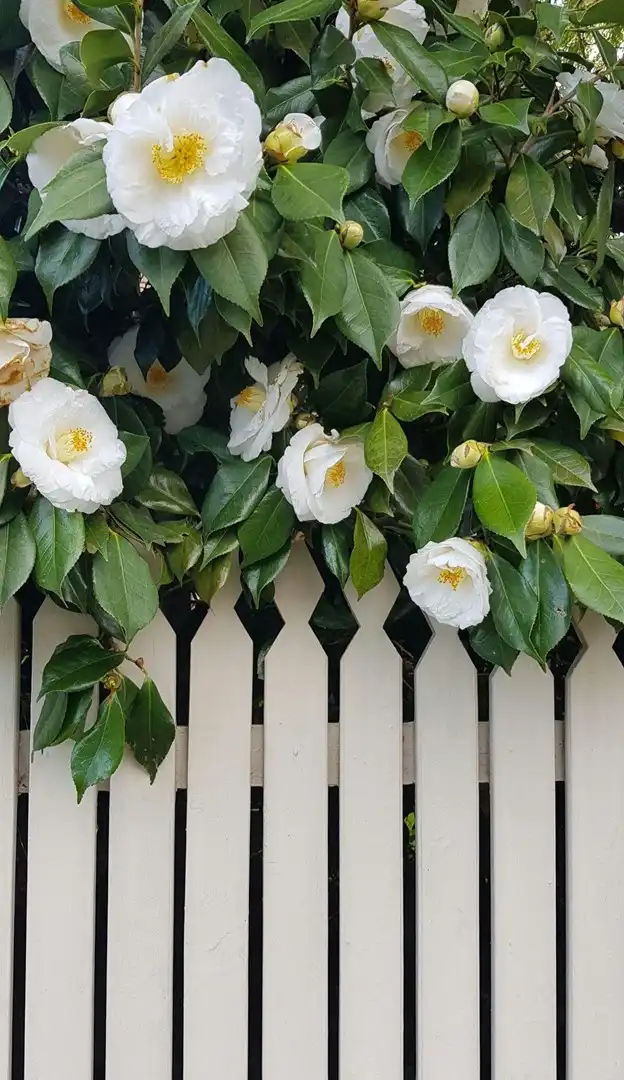
A popular option for front yards, picket-style vinyl panels mimic the classic wood picket look but with far less upkeep.
Ranch-Rail or Post-and-Rail Panels
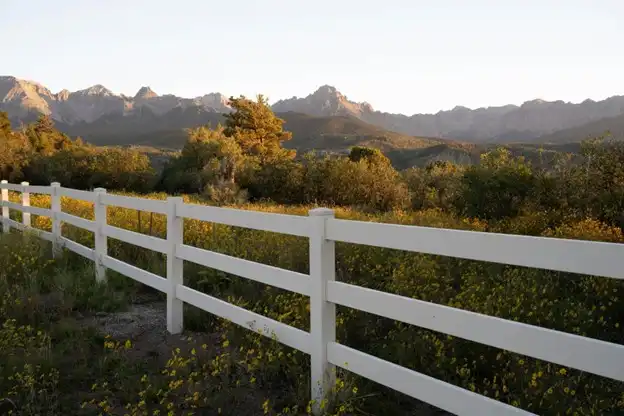
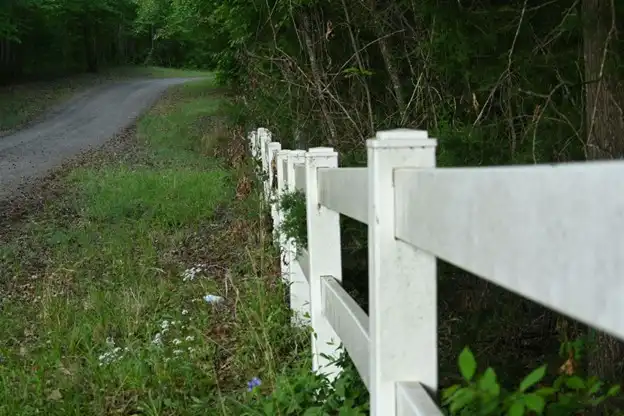
These are best for rural properties, farms, or homes with large open areas. They offer visibility while helping define property lines.
How to Choose the Right Vinyl Fence Panels for Your Property
Style & Aesthetic Considerations
Vinyl fencing now comes in more than just white. You can choose from almond, gray, black, wood-look vinyl, two-tone combinations, and decorative accents. Think about how the color and style complement your home exterior, landscaping, and overall design.
Height, Thickness & Reinforcement
Vinyl panels vary in thickness, and thicker panels generally resist wind and weather better. Reinforced rails—often supported with steel inserts—help prevent sagging over time.
Climate & Weather Factors
Different regions experience different climate challenges. In areas with heavy rain or constant moisture, choosing high-quality vinyl designed for wet climates is essential. Homeowners in rainy or coastal environments—like the Pacific Northwest—benefit from working with installers such as Cool Cat Fence in Seattle, who understand which vinyl fence panels perform best in long-term damp conditions.
Cost vs Long-Term Value
Vinyl fences cost more upfront than wood, but the long-term savings are significant. With proper installation and minimal maintenance needs, vinyl panels often last 20 to 30 years or more.
Installation Considerations Most Homeowners Overlook
DIY vs Hiring a Professional
While DIY installation is possible, it requires precise measurements, post setting, and slope adjustments. Professional installers ensure that the fence is aligned correctly, secured in the ground, and supported properly—reducing the risk of sagging, buckling, or premature wear.
Permits and Property Lines
Check local zoning laws, HOA guidelines, and height restrictions before choosing panels. Proper property-line identification prevents disputes with neighbors.
Soil Type and Ground Conditions
Soft soil, clay, or sloped land may require adjustments in post depth or reinforcement. Drainage is also important, especially in wet climates.
Maintenance & Longevity of Vinyl Fence Panels
Cleaning and Seasonal Care
Vinyl is easy to clean—usually a simple rinse with a garden hose or a mild soap solution removes dirt and mildew. Avoid abrasive cleaners that can scratch the surface.
Repairing Panels When Needed
If a panel cracks or breaks due to impact, it’s usually possible to replace just that section rather than the whole fence. This makes vinyl a convenient long-term choice.
How Long Vinyl Fence Panels Last
Most high-quality vinyl fences last between 20 and 30 years. Some can last even longer with proper installation and occasional cleaning.
Common Mistakes to Avoid When Purchasing Vinyl Fence Panels
Choosing Low-Quality, Thin Panels:
Cheaper panels may discolor, sag, or crack easily. Always consider material thickness and reinforcement.
Ignoring Local Installers and Conditions:
Local soil composition, climate, and property layout influence which vinyl products perform best.
Not Getting a Professional Evaluation:
Before choosing vinyl fence panels, it’s wise to consult a reputable installer who can evaluate your property’s unique needs. Companies like Fantastic Fence in Sacramento help homeowners determine the right panel type, structure, and installation approach for long-term durability, especially in neighborhoods where soil, climate, and layout vary from property to property.
Overlooking Warranties & Manufacturer Standards:
Strong warranties often indicate high-quality material and manufacturing. Look for multi-decade or lifetime warranties whenever possible.

Pricing Guide: How Much Vinyl Fence Panels Typically Cost
Cost Per Linear Foot:
In most areas, vinyl fence panels cost between $20 and $45 per linear foot, depending on style, color, and thickness.
Installation Cost Variables:
Labor, land slope, panel height, gate count, and reinforcement requirements all affect installation pricing.
Comparing Vinyl to Wood & Metal Costs:
While vinyl is more expensive upfront, it often wins in total lifetime value because it doesn’t require ongoing staining, sealing, or rust treatment.
When Vinyl Fence Panels Are the Best Choice — And When They’re Not
When Vinyl Fencing Is Ideal:
Vinyl fences are perfect for homeowners who want long-term durability, minimal upkeep, and a clean, modern look. They’re especially effective in moisture-heavy climates.
When Another Material Might Be Better:
If you expect a lot of physical impact (large dogs, sports activity), or if you need a temporary or ultra-budget fence, wood or chain link may be more appropriate.
Conclusion
Vinyl fence panels are an excellent long-term investment for homeowners who want durability, visual appeal, and minimal maintenance. With the right style, material thickness, and installation approach, you can enjoy a reliable fence that enhances your property for decades. Take the time to compare your options, understand regional climate needs, and work with qualified installers to ensure the best outcome.
Comments on this guide to Vinyl fence panels homeowners article are welcome.
Garden Fences
Fencing Posts
Choosing a Wood and Metal Fence for Your Home
Things to consider when choosing a fence for your pets
Choose best fence for your garden and yard
++
Building Articles
Residential Architecture
Comments / photos for the The Complete Homeowner’s Guide to Vinyl Fence Panels page welcome