How Architects and Designers Can Benefit from Understanding HVAC Systems
12 January 2026
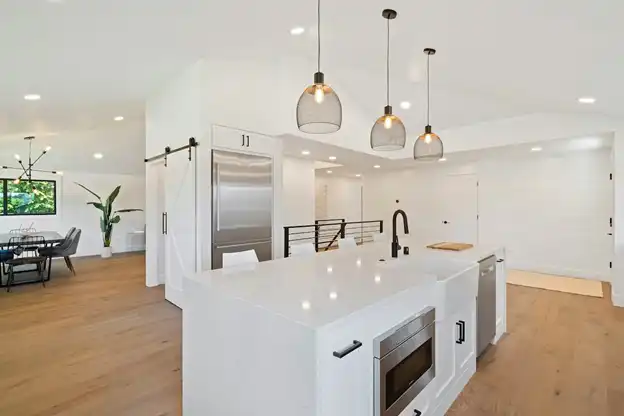
image source : unsplash.com
The modern built environment is shaped by far more than what people can see, and behind every well-designed space is a complex mechanical system that keeps it comfortable and functional. Architects and designers are increasingly expected to consider performance, efficiency, and occupant wellbeing alongside aesthetics, which is why technical knowledge is no longer optional. A Florida HVAC contractor exam prep course may sound specialized, but even early exposure to the principles behind professional HVAC training can help design professionals make better decisions. When designers understand how heating, ventilation, and air conditioning systems work, they are better equipped to create spaces that feel as good as they look.
Understanding HVAC Fundamentals in Building Design
Heating, ventilation, and air conditioning systems regulate temperature, humidity, and indoor air quality. These systems do not operate independently from the architecture, because their performance depends on the building envelope, orientation, and layout. When architects understand HVAC fundamentals, they can design spaces that support efficient airflow and thermal control rather than fighting against it. This leads to more comfortable interiors and fewer costly design changes later in the project.
Many design issues stem from a disconnect between architectural intent and mechanical reality. For example, large open spaces with glass walls may look striking, but they can create challenges for temperature regulation and energy use. By understanding HVAC principles, designers can anticipate these issues and adjust their designs accordingly. This knowledge enables them to collaborate more effectively with mechanical engineers and contractors, resulting in better-integrated building systems.
Improving Energy Efficiency Through Smarter Design Choices
Energy efficiency is a key concern in modern architecture, especially in warm and humid regions like Florida. HVAC systems account for a significant portion of a building’s energy use, so their design and integration have a major impact on overall performance. Architects who understand HVAC systems can make smarter decisions about insulation, window placement, and building orientation to reduce mechanical equipment load. These choices help create buildings that use less energy while maintaining indoor comfort.
A building that is designed with HVAC efficiency in mind will also have lower operating costs over its lifetime. When designers account for factors like solar gain, ventilation pathways, and thermal mass, they make it easier for HVAC systems to do their job. This reduces the need for oversized equipment and constant mechanical adjustments. The result is a more sustainable building that benefits both occupants and owners.
Enhancing Indoor Air Quality and Occupant Wellbeing
Indoor air quality has become one of the most important aspects of building design, particularly in residential and commercial spaces where people spend most of their time indoors. HVAC systems play a crucial role in filtering, circulating, and refreshing the air inside a building. When architects understand how these systems work, they can design layouts that promote healthy airflow and minimize stagnant or polluted areas. This directly impacts occupant comfort and long-term health.
Designers who are aware of ventilation strategies can also better address issues such as moisture control and mold prevention. In climates like Florida, humidity management is essential to prevent material damage and protect indoor air quality. By considering HVAC requirements early in the design process, architects can create spaces that are not only visually appealing but also healthier places to live and work. This approach reflects a more holistic understanding of what makes a building truly successful.
Supporting Better Collaboration With HVAC Professionals
Architecture is a collaborative field, and successful projects depend on clear communication between designers, engineers, and contractors. When architects have a working knowledge of HVAC systems, they can speak the same technical language as the mechanical team. This leads to more productive discussions and fewer misunderstandings during the design and construction phases. It also allows architects to evaluate HVAC proposals and identify potential issues before they become costly problems.
Understanding the training and licensing requirements that HVAC contractors go through, such as those covered in Florida-based exam preparation programs, can also provide valuable context. Architects who are familiar with these standards are better able to respect HVAC professionals’ expertise and incorporate their input into the design. This mutual understanding creates a stronger project team and improves the overall quality of the final building.
Reducing Costly Design Changes and Project Delays
One of the biggest challenges in construction is managing changes that arise after a project is already underway. Many of these changes are related to mechanical systems that were not fully considered during the initial design. When architects understand HVAC systems, they can plan mechanical spaces, duct routes, and equipment locations more accurately from the start. This reduces the likelihood of conflicts between architectural elements and mechanical components.
Early coordination between design and HVAC planning also helps prevent construction delays. If the HVAC layout fits smoothly within the architectural design, contractors can install systems more efficiently. This saves time and money while keeping the project on schedule. For clients and developers, this level of foresight adds significant value and builds trust in the design team.
Preparing for the Future of Building Design
The future of architecture is closely tied to advances in building technology, including smart HVAC systems and energy management tools. As buildings become more complex, designers will need a deeper understanding of how mechanical systems interact with digital controls and environmental sensors. Architects who invest in HVAC knowledge now will be better prepared to work with these emerging technologies. This makes them more competitive in a rapidly evolving industry.
Learning from professional training resources, including those designed for HVAC contractor exams in Florida, can provide insights into real world system requirements. Even if architects do not plan to become contractors, exposure to this material helps them appreciate the technical side of building performance. This knowledge can inspire more innovative and practical designs that meet both aesthetic and functional goals.
Conclusion
Understanding HVAC systems gives architects and designers a powerful advantage in creating buildings that are comfortable, efficient, and resilient. By integrating mechanical knowledge into the design process, professionals can improve energy performance, enhance indoor air quality, and reduce costly project risks. In regions like Florida, where climate conditions place high demands on building systems, this understanding is especially valuable. As the industry continues to evolve, architects who embrace HVAC principles will be better equipped to design spaces that truly stand the test of time.
Comments on this guide to Understanding HVAC systems: architects and designers article are welcome.
HVAC – Air Conditioners
Air Conditioners Posts
Why Rely On Professionals For Air Conditioning, Heating, HVAC
HVAC Systems in Modern Architecture
++
Buildings
Residential Architecture Articles
Comments / photos for the Understanding HVAC systems: architects and designers – building temperature control page welcome.