
Turning a House into a Home Through Smart Layout Choices
14 August 2025
A home is more than four walls and a roof. It’s the space where life unfolds—where mornings start, meals are shared, and memories take root. Yet, for many homeowners, the difference between a house that feels cold and one that feels warm lies in something often overlooked: the layout.
Layout isn’t just about where the walls go. It’s about how each space works together to create comfort, function, and flow. In fact, many people who invest in custom builds—whether they’re building a suburban home, a cabin, or even barndominiums Indiana families love—say that their biggest wins came from making thoughtful layout decisions early in the process.
A smart layout is one that reflects your lifestyle. It adapts to your needs, supports your routines, and makes daily living easier. The beauty is that it’s not about having the largest home or the most elaborate design—it’s about making the most of what you have.
Start with How You Live
Before you think about where the kitchen goes or how big the living room should be, take a step back. Look at how you move through your day. Do you work from home? Do you host large family gatherings? Do you prefer quiet, private spaces or open areas where everyone can gather?
Understanding your habits will guide your layout decisions. A couple who works remotely might need separate offices on opposite sides of the house for focus. A young family may prefer a play area that’s visible from the kitchen. The key is designing spaces around life—not the other way around.
Open or Defined? Choosing Your Space Style
One of the first layout decisions you’ll make is whether to go with an open plan, defined rooms, or a mix of both.
Open floor plans have become popular for good reason. They allow light to flow freely, make small spaces feel bigger, and keep everyone connected. Cooking dinner while chatting with guests in the living room? Easy. Watching the kids play while you prep lunch? No problem. But they come with trade-offs—noise carries farther, and privacy is harder to find.
Defined spaces, on the other hand, give each room a specific purpose. They create natural separation and can help with organization. You can shut a door for quiet or keep certain areas more formal. The downside is that they may feel closed-off, especially if the rooms are small or the ceilings low.
A hybrid layout offers a balance—open living and dining areas paired with private bedrooms or closed-off workspaces. It’s a practical choice for households with varied needs.
Making the Flow Work for You
The way you move through your home should feel natural. Rooms should connect in a way that makes sense for how you live.
Place high-traffic areas—like kitchens and living rooms—where they’re easy to reach from the entryway. Keep bathrooms close to bedrooms but away from dining areas. Use hallways not just as pass-throughs but as storage opportunities or display spaces.
Think about “zones” within the home. For example, keep noisy areas (kitchen, playroom, living room) together and separate them from quiet areas (bedrooms, home office). This helps maintain harmony, especially in busy households.
Designing Multi-Purpose Spaces
Modern living often calls for flexibility. A guest room that doubles as a home office. A dining area that converts into a study space. A loft that works for yoga one day and movie nights the next.
The trick to designing multi-purpose rooms is planning for change. Choose furniture that can be moved or reconfigured. Use storage solutions that keep the space tidy and adaptable. And don’t be afraid to blend functions—as long as the space still feels cohesive, it will work.
Let Light Lead the Way
Natural light can completely change how a home feels. Positioning your layout to maximize sunlight not only improves mood but also reduces the need for artificial lighting during the day.
Consider placing living areas where they can benefit from morning or afternoon light, depending on your routine. Frame outdoor views with large windows or glass doors. Even in smaller homes, thoughtful window placement can make rooms feel larger and more inviting.
Storage That Works with the Layout
Clutter can make even the most beautiful home feel cramped. That’s why smart storage is a critical part of layout planning.
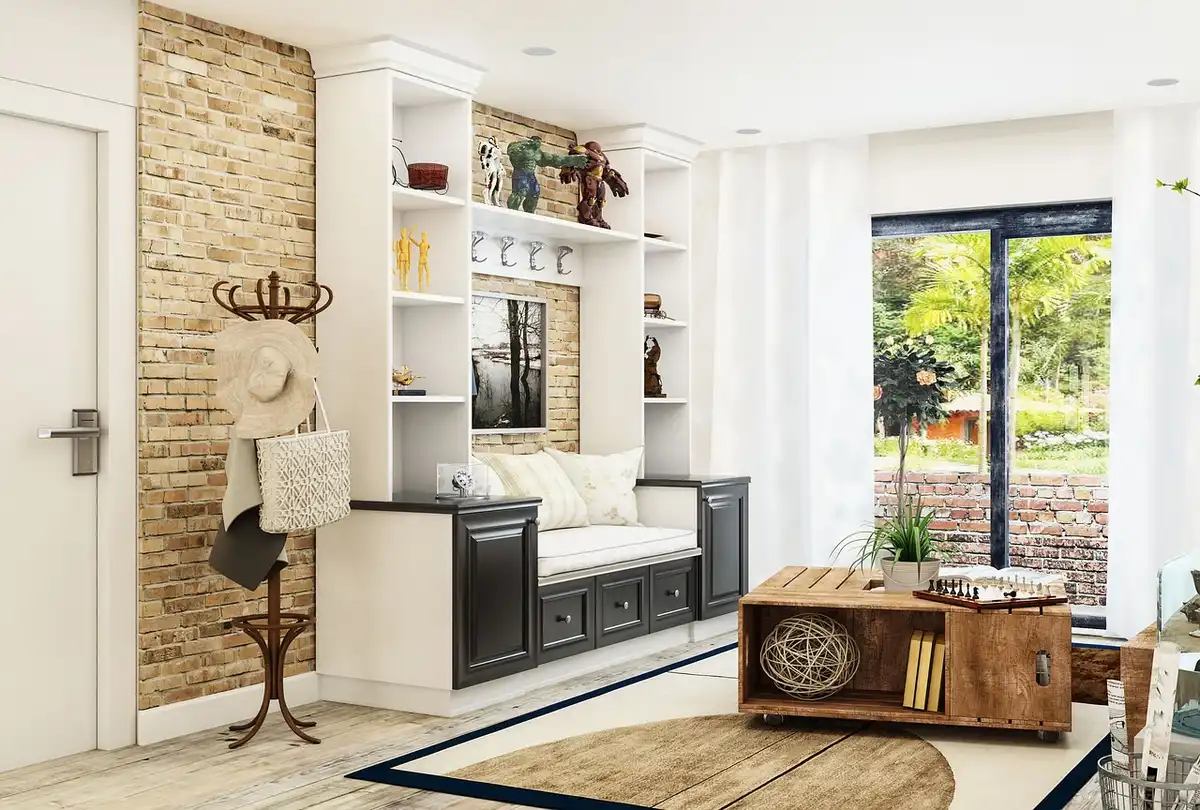
Built-in shelves can frame a fireplace or act as room dividers. Under-stair compartments provide hidden storage. Pantries keep kitchens organized without taking up extra floor space. By integrating storage into the design from the start, you avoid the need for bulky furniture later on.
Personalizing the Heart of the Home
Every home has a central gathering space—often the kitchen or living room. The way this area is laid out sets the tone for the entire house.
In kitchens, think about workflow. Place the sink, stove, and refrigerator in a convenient triangle. Add an island for prep and seating if space allows. For living areas, arrange seating so conversation flows naturally. Keep entryways open and welcoming.
Even small changes—like adding a window seat or designing a wide hallway with bookshelves—can make the home feel warmer and more personal.
Planning for the Future
A great layout isn’t just for today—it’s for tomorrow too. Consider how your needs might change.
If you plan to age in place, wide doorways and step-free entries will be essential. If your family may grow, design extra rooms that can adapt to different uses over time. Avoid overly specialized spaces unless you’re sure they’ll serve you long-term.
Common mistakes to avoid? Overloading one area with too many functions, forgetting about storage, and ignoring how furniture will fit into the space.
Conclusion: A House That Feels Like Home
Smart layout choices aren’t about following trends—they’re about shaping a space that works for you. A home should fit your life, not force you to adjust to it. By paying attention to flow, light, storage, and flexibility, you create a place that’s both practical and personal.
In the end, it’s not just about where the walls stand. It’s about how every space invites you in, supports your daily life, and grows with you over time. That’s how a house becomes a home.
Comments on this guide to Turning a house into a home with smart layout choices article are welcome.
Custom Home Design
Custom Home Designs
Designing Your Custom Home and Build Plans
How to build your own custom home
Reasons To Consider Custom Home Construction
++
Property Articles
Residential Architecture
Comments / photos for the Turning a house into a home with smart layout choices help guide page welcome.


