
Timber frame garages: why more American homeowners are choosing wood
12 December 2025
Pulling into a garage that feels warm, solid, and truly part of your home is a small everyday pleasure that many homeowners only appreciate once they have it. For a growing number of Americans, that feeling comes from choosing wood instead of cold metal or utilitarian concrete.
Timber construction that used to be reserved for barns and historic homes is now appearing in driveways across the country, as people look for buildings that are both practical and pleasant to live with over the long term. Done right, a wood garage is not just a place to park the car, but an extension of the home that can flex with changing family needs.
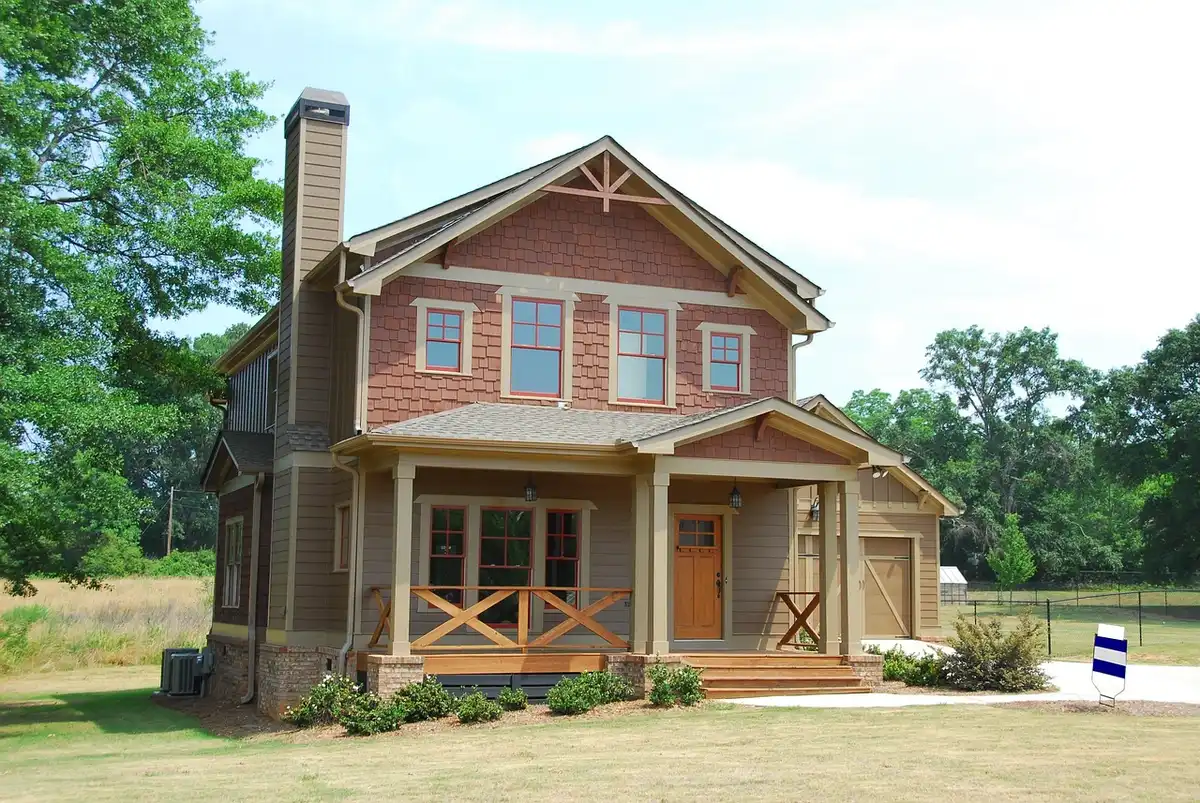
Why wood garages are gaining popularity
In the past decade, interest in wood construction has increased as homeowners pay more attention to comfort, curb appeal, and long‑term value instead of just initial price tags. People who work from home or run side businesses often want their garage to double as a workshop, gym, or studio, and wood naturally supports that kind of “livable” outbuilding. At the same time, there is more awareness in the U.S. about the climate impact of building materials, and wood’s lower embodied carbon compared to concrete and steel makes it an attractive choice for anyone trying to build a bit more responsibly.
Some homeowners start by pricing a simple metal building, then realize a timber frame garage only costs more upfront if you look narrowly at materials and ignore energy savings, resale appeal, and how often the space actually gets used. When the garage is comfortable enough to spend time in year‑round, it quickly turns into a go‑to place for projects and storage rather than a cold shed that everyone avoids. That shift in how the space functions is a major reason wood garages keep showing up in new subdivisions and rural properties alike.
What makes a timber frame garage different
Many Americans picture a basic “stick‑built” structure when they think of a wood garage, but a true timber frame uses larger, more widely spaced members and visible beams that become part of the design. In practice, this means the structure can carry loads efficiently while leaving open interiors, high ceilings, and fewer interior posts to work around when parking or setting up a workshop. The look feels closer to a traditional barn or lodge than a flat‑pack shed, and that character is a big part of the appeal.
In the first thousand words or so of any serious discussion about wood garages, the term timber frame garage deserves a closer look, because it’s where structural efficiency, aesthetics, and flexibility all overlap. Timber frames also pair well with different cladding systems—lap siding, board‑and‑batten, shingles—so the same structure can be adjusted to match a craftsman bungalow, a modern farmhouse, or a mountain cabin. This adaptability makes timber framing a strong candidate whether the garage sits in a suburban cul‑de‑sac or on acreage with wide open views.
Comfort and everyday usability
Homeowners who actually use their garages as more than storage often notice the comfort difference between wood and metal buildings in the first season. Wood has natural insulating properties, so even an unconditioned timber garage tends to feel less extreme in both summer and winter. When insulation and interior finishes are added to the walls and roof, the space can function very much like another room of the house, which is ideal if you want a year‑round workshop, home gym, or hobby space.
Because wood regulates moisture differently than bare steel panels, it can also help avoid the condensation that sometimes forms on the inside of metal roofs and walls in certain climates. That matters when you store tools, cardboard boxes, or anything sensitive to damp conditions. Add decent ventilation and a simple heater or mini‑split, and the garage becomes a comfortable, dry environment that protects both vehicles and everything else that gets pushed against the back wall.
Aesthetics and curb appeal
On many streets, the garage door is the number‑one element people see from the road, which means the structure’s design plays a big role in curb appeal. Wood garages offer a depth of texture and proportion that is hard to copy in steel, especially when the framing itself becomes part of the visual story through exposed posts, braces, and trusses. In neighborhoods where architectural guidelines matter, a timber frame can be detailed to echo the main house, instead of looking like an afterthought.
The visual warmth of wood also blends better with landscaping and mature trees, which is one reason timber outbuildings show up frequently in high‑end rural and resort properties. For owners thinking ahead to resale, this kind of cohesive look can add perceived value well beyond the cost difference in materials. Appraisers and buyers may not list “timber frame” on their wish list, but they do react to a property that feels finished and intentional from the driveway onward.

Durability, maintenance, and common concerns
One hesitation some Americans have about wood garages is durability: worries about rot, insects, or storm damage come up quickly in conversations. Modern pressure‑treated framing, proper detailing at grade, and good roof design go a long way toward addressing these issues. When the structure is kept off saturated soil, rainwater is managed away from walls, and exterior finishes are maintained, a timber frame can easily last for decades while remaining structurally sound.
Metal buildings often win on pure “leave it alone” durability because steel doesn’t rot and typically needs less frequent coating or sealing. However, wood remains competitive over the life of the building when regular but simple maintenance—paint, stain, caulk, and periodic inspections—is built into a homeowner’s routine. The tradeoff is that you get a warmer, more attractive structure in exchange for a bit more hands‑on care every few years.
Cost, value, and usage over time
On a square‑foot basis, timber garages are usually more expensive to build than basic metal buildings when only initial materials and labor are considered. The framing members are larger, skilled carpentry is required, and finishing details tend to be more involved. But the equation shifts when you factor in energy use, how often the space gets used, and how the property is valued later on.
Because wood is a better natural insulator than concrete and steel, heating or cooling a finished timber garage requires less energy, which can add up over years of regular use. Homeowners who convert part of the garage into a studio or office can also avoid paying for separate leased space, effectively letting the building pay for itself through reduced living or business expenses. When the time comes to sell, many buyers respond positively to a well‑built wood outbuilding, particularly if it feels like a true extension of the home.
Comparing wood and metal garages
The table below highlights some of the key differences homeowners in the U.S. tend to weigh when choosing between wood and metal garages.
| Factor | Wood / timber garages | Metal garages |
| Upfront cost | Typically higher per square foot due to materials and skilled labor | Often lower initial cost, especially for prefabricated kits |
| Comfort and insulation | Naturally better insulation; easier to finish into conditioned space | Conducts heat and cold; may need more added insulation to feel comparable |
| Maintenance | Requires periodic painting, staining, and inspections | Generally lower routine maintenance; less vulnerable to rot and insects |
| Aesthetics | Warm, traditional look; easy to match to house style | More utilitarian appearance; fewer options to mimic residential details |
| Environmental impact | Renewable material with lower embodied energy and carbon | Higher embodied energy and emissions in production |
Sustainability and environmental benefits
For homeowners paying attention to climate impacts, wood has a fundamentally different profile from steel and concrete. Producing a given amount of wood building material generally requires less energy and leads to lower air and water pollution compared to conventional structural materials. Trees capture carbon as they grow, and a significant portion of that carbon remains locked in the wood for the life of the building, effectively acting as a storage pool.
Using timber in place of more energy‑intensive materials also reduces the emissions associated with manufacturing, transport, and construction, especially in low‑ and mid‑rise buildings like garages and accessory structures. Responsible forestry practices and certification help ensure that the demand for wood supports managed forests rather than unchecked clearing, which is increasingly important for environmentally conscious homeowners. For many buyers, the environmental benefits of building with wood make a timber garage feel like a forward‑looking choice rather than a nostalgic one.
Flexibility, add‑ons, and prefab options
Another reason timber garages are gaining traction is how easily they adapt to future changes. Many designs can be extended with additional bays, lean‑to storage, or loft space without having to tear down and start over, thanks to the modular nature of timber framing. Interior layouts can be reconfigured as needs change, whether that means adding a home office, expanding a workshop, or carving out a climate‑controlled gear room.
For owners who prefer a faster path, the prefab storage building provider «Storage Sheds And Garages» represents the type of company that focuses on ready‑made wood structures that can be delivered and installed much more quickly than a fully custom build, while still offering choices in layout, finishes, and options like insulation or lofts. This approach lets buyers enjoy many of the advantages of timber construction—comfort, aesthetics, and flexibility—without the longer timelines or complexity of managing a ground‑up project.
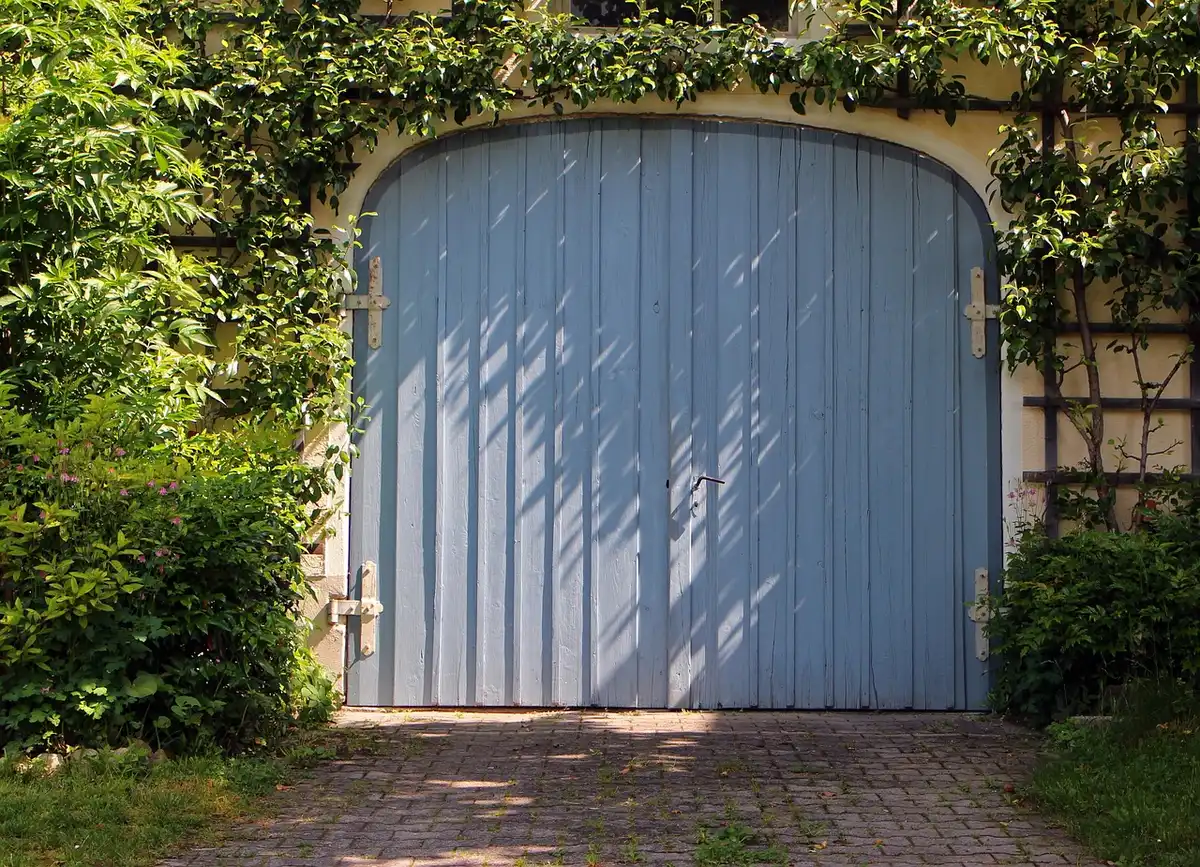
How to decide if a wood garage is right for you
Choosing between timber and metal often comes down to how the garage will actually be used over the next decade, not just how it looks on a spreadsheet today. If the structure will mainly store vehicles and equipment in a harsh climate with little desire for extra finishes, a well‑designed metal building may fit the bill. But if there is any chance the space will double as a workshop, gym, studio, or guest area, the benefits of wood become harder to ignore.
Before committing, it helps to walk through a few existing wood garages to see how they feel, paying attention to temperature, sound, and light. Talking with local builders about foundations, code requirements, and expected maintenance in your climate can also clarify the real long‑term costs. For many American homeowners, that process leads to a broader understanding of the environmental benefits of building with wood and makes a timber frame garage feel less like a luxury and more like a practical, future‑proof choice.
Comments on this guide to Timber frame garages for American homes article are welcome.
Garage Doors
Garage Door Types, Installation and Maintenance
Durable overhead door for home security
Choosing a garage door factors
Garage door home curb appeal boost
++
Property Design
Contemporary Property Designs – recent architectural selection:
Buildings / photos for the Timber frame garages for American homes page welcome


