
The Interior Comfort Starts at the Window: Lessons From High-Exposure Homes
28 January 2026
High-exposure homes look impressive on day one. Large spans of glass. Clean lines. Fewer barriers between inside and outside. The interior feels bright and generous. Then daily life begins, and the building starts showing its habits.
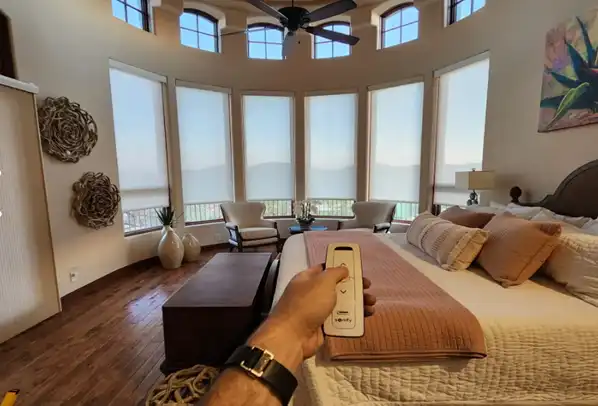
Sunlight shifts by the hour. Heat collects in places that feel unpredictable. Glare lands exactly where someone wants to sit or work. Privacy changes at night, even when the plan stays the same. These issues do not always read as “problems” during design. They show up later, through behaviour.
Chairs get moved away from the brightest corner. Curtains stay closed longer than intended. A room becomes a “morning space” without anyone saying it out loud. None of this is a style decision. It is an occupant trying to make the house usable.
The common thread is simple. The window zone controls how the interior behaves. When that zone is treated as part of comfort planning, the architecture performs better. When it is treated as an afterthought, the occupants end up managing exposure every day.
Exposure Is More Than Orientation
Orientation matters, but exposure is not only a compass issue. Reflections from paving, pools, and neighbouring facades can push light deeper into the plan. Desert sky brightness raises baseline glare even when a room is not in direct sunlight. Large openings also magnify small changes in angle.
This is why two “south-facing” rooms can behave very differently. One may feel calm. The other may feel sharp and tiring by mid-afternoon. The difference often comes down to context, surface reflectance, and what the room is used for.
Good design accounts for these secondary effects. It does not aim to eliminate sunlight. It aims to direct it, soften it, and give occupants a way to respond when conditions change.
Glare Drives the First Real Complaints
Glare is the comfort issue that changes behaviour fastest. It makes screens hard to read, and CIBSE notes the value of steps that reduce discomfort glare from windows.
Home offices and open living areas tend to show this first. Kitchens can show it too, especially with glossy counters or light-toned flooring. Even a short daily glare window can reshape how a space is used. The problem repeats, so the workaround repeats.
The solution is rarely “less glass.” It is more often better controlled at the glass line. A useful starting point is reviewing options through Arizona Window Covering Center in Scottsdale, especially when glare is tied to specific hours and rooms.
Heat Builds at the Window Line Before HVAC Reacts
Thermostats respond late. Radiant load arrives early. Glass warms quickly, then pushes heat inward, which is why Berkeley Lab focuses on window performance factors such as the solar heat gain coefficient in hot conditions.
This is why a home can feel uncomfortable even when the system is running steadily. Air temperature may be stable, but the occupant is reacting to radiant heat and surface warmth.
In high-exposure rooms, the discomfort often feels uneven. One side of the room is fine. Another side feels heavy and warm. People then adjust the thermostat, even though the real issue is local heat gain near the glazing.
Interior control slows this cycle. It does not need to create darkness. It needs to reduce the spikes that make a room hard to occupy during peak hours.
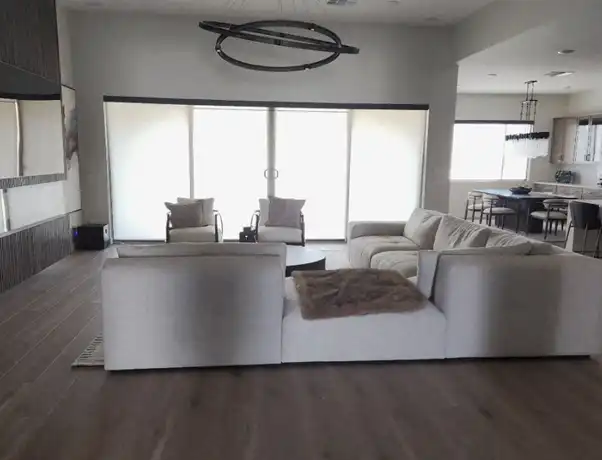
Privacy Becomes a Night-Time Problem
Privacy is often “fine” during the day. Views are framed. The interior feels open. Then the sun sets, and interior lights come on. Glass flips from transparent to exposing, especially in street-facing rooms.
This is where routines change. Curtains close earlier. Lights are dimmed. Certain rooms stop being used after dark. The plan still works on paper, but real use shifts.
Designs that handle privacy well allow gradual change. They support a middle setting, not only open or closed. That keeps rooms usable without forcing a full shutdown of daylight and views.
For high-exposure neighbourhoods, this matters more than most people expect. Comfort is not only thermal. It is also the feeling of being able to relax without thinking about who might be looking in.
The Middle Setting Matters More Than the Extremes
Many interiors struggle because control is binary. Full daylight or blackout. Fully open or fully closed. Occupants usually want something in between.
The middle setting is what supports daily life. Working at a laptop. Watching television without squinting. Eating dinner while daylight still lingers. Sitting in a bright room that does not feel sharp.
This is where layered approaches tend to outperform single solutions. One layer manages daytime glare while keeping light present. Another layer supports night-time privacy or peak sun hours. The room can shift character without feeling cut off.
From an architectural perspective, this preserves intent. The space stays readable and calm. The glazing still plays its role. The control layer simply prevents the room from becoming an ongoing management task.
Fit and Detailing Decide if Control Works
Small detailing errors can undermine comfort quickly. Light leaks through gaps. Poor mounting leaves uneven coverage. Mis-sized solutions look temporary and behave poorly. Occupants notice, even when they cannot explain why the room feels “off.”
This is where proper measuring and installation becomes part of performance, not decoration. High-exposure openings need predictable coverage and clean edges. Otherwise, the control layer becomes another workaround.
Material choice matters as well. Some finishes bounce light sharply. Others diffuse it. Texture can soften contrast without flattening the room. These details accumulate, shaping the feel of a space over long hours of use.
Comfort Protects the Design Over Time
Discomfort invites modification. When a room does not work, people change it. Furniture layouts shift. Curtains appear. The clarity of the original design slowly erodes.
Spaces that support comfort get altered less. They stay closer to the architectural intent because occupants do not need to fight the building. Rooms remain usable across more hours of the day. Behaviour stays aligned with the plan.
That is the lesson from high-exposure homes. Comfort does not start with the sofa or the paint colour. It starts at the window, where exposure enters, and daily routines begin.
When the window zone is treated as a comfort system, the interior performs quietly. The architecture recedes. Daily life takes over. That is usually the real goal.
Comments on this guide to Interior Comfort Starts at the Window: Lessons From High-Exposure Homes article are welcome.
Windows
Windows Posts
Window upgrades that appeal to modern homebuyers

Spot reliable windows and doors contractors
How house window tint reduce energy bills
++
Architecture Designs
Home Designs
Comments / photos for the Interior Comfort Starts at the Window: Lessons From High-Exposure Homes page welcome


