Sustainable Playbook for Natural Ventilation
post updated 27 September 2026
27 September 2025
Architecture That Breathes: A Sustainable Playbook for Natural Ventilation
When it comes to creating sustainable building design, architects are always looking for ways to make structures much smarter, healthier, and kinder to the planet.
They’ve got many tools in their box to achieve this. However, creating natural ventilation is still one of the simplest and most powerful methods they can use.
By letting buildings “breathe,” they can reduce their reliance on mechanical systems. At the same time, they can make them more comfortable and create spaces that feel better connected to their environment.
Essentially, natural ventilation is a design playbook that blends tradition with innovation to deliver beauty and performance. This post will explore why natural ventilation matters so much and how to go about creating it.
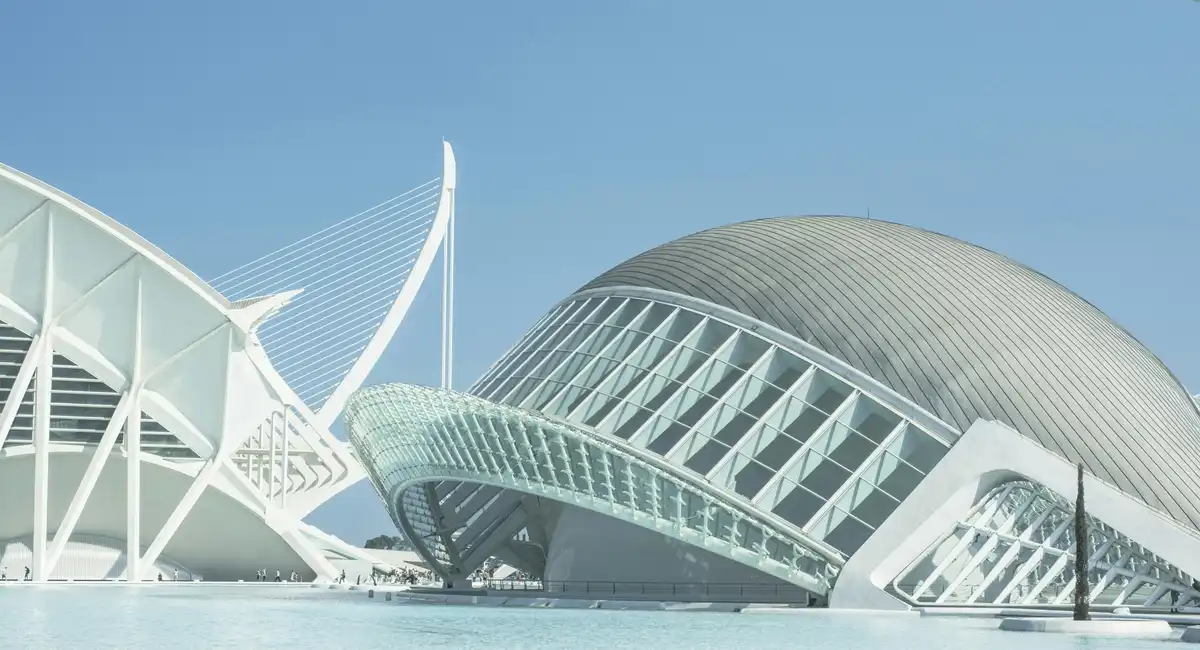
What do you mean by natural ventilation?
When architects talk about natural ventilation, what they mean is designing spaces where air moves freely. This approach focuses very much on enhancing indoor air quality, which can also cut down energy bills and produce a much better level of thermal comfort in the building all year-round.
In Australia, it is very important for structures to have plenty of natural ventilation. That is because the country has a climate that can range from tropical heat to cool southern breezes, which can make life very uncomfortable.
If a property has good natural ventilation, it will reduce the dependence on air conditioning to keep it cool. In addition, the building will generate lower emissions, and the architecture should be much more energy efficient.
When it comes to creating an airflow, precision-engineered fixed louvres from Airocle have gone a long way towards setting the benchmark. They provide durable and efficient solutions that help architects integrate natural ventilation into their projects, while still maintaining a comely aesthetic.
How to create natural ventilation
Architects can introduce natural ventilation into their designs in a number of different ways. Here are some of the most common examples of how they do so.
Passive cooling design
Passive cooling design uses the natural movement of air to keep spaces comfortable without having to rely on mechanical systems. By placing windows, vents, and openings in the right spots, buildings can guide breezes through rooms and release hot air.
Cross ventilation techniques are one of the most effective methods because air enters from one side of the building and exits on the other. In doing so, it flushes out heat and refreshes the space.
This approach works beautifully in Australian homes and offices, where open layouts and shaded outdoor areas make airflow easy to manage. When paired with landscaping, shading, and lightweight materials, it can also transform the way a building feels, by making it cooler, calmer, and more inviting.
Bioclimatic architecture
Bioclimatic architecture focuses on working with nature rather than resisting it. Each building is shaped by its local climate. In particular, it makes use of the sun, wind, and seasonal changes to improve its level of comfort.
In Australia, this can mean wide verandas that shield interiors from harsh summer heat, or high windows that catch cooler breezes in coastal areas. It may also include the smart use of shading, roof vents, and orientation so that buildings adapt naturally throughout the year.
When combined with sustainable building materials, these strategies help create energy-efficient spaces that are low in cost and high in comfort. The end result is a design that feels authentic to its place and proves that sustainability and beauty can go hand in hand.
Thermal comfort
Thermal comfort in buildings is about creating spaces where people feel at ease. It is important to find the right balance because if a building is too hot or cold, then the well-being of those within it will suffer.
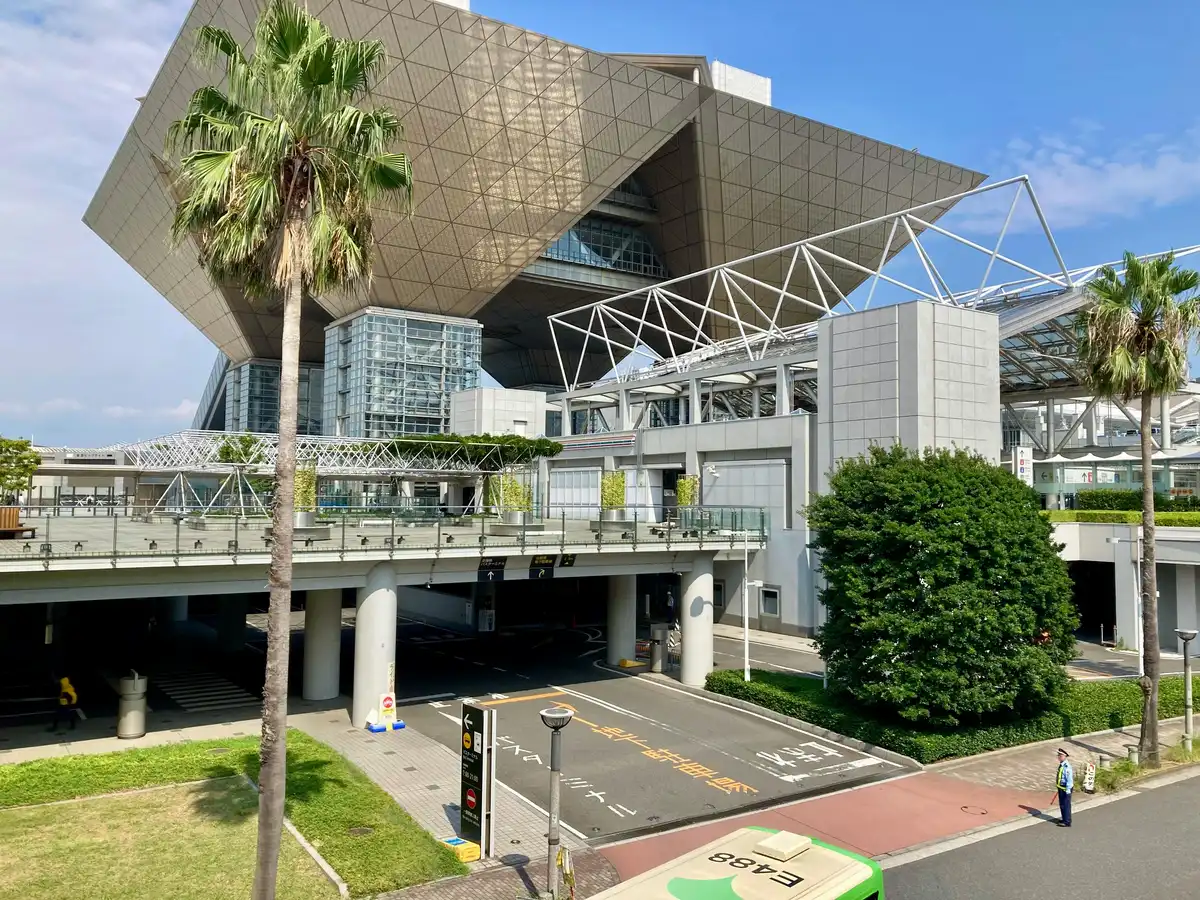
Natural ventilation helps balance this by keeping air moving at a steady pace. Indeed, the likes of louvres, vents, and high-level windows all allow warm air to escape. At the same time, shading and insulation help to prevent the build-up of heat, while thermal mass stores and releases warmth as required.
Overall, these layers of design create a stable and comfortable atmosphere without having to rely on the constant use of energy.
Indoor air quality
Aside from saving energy, natural ventilation is very influential in creating healthier indoor spaces. By allowing fresh air to circulate, it helps flush out pollutants, moisture, and allergens that often build up in sealed environments.
In Australia, where many people spend long hours in air-conditioned offices, the benefits are quite clear. Cleaner air helps you to concentrate better, reduces your risk of illness, and makes spaces feel more vibrant overall.
Sustainable building materials
Ventilation tends to work best when it is paired with the right materials. For example, lightweight, breathable walls let heat escape, while materials like timber and recycled brick reduce environmental impact.
Therefore, when designing a building, it is important to choose sustainable materials that also reinforce the honesty of the design. At the end of the day, buildings that feel natural and grounded will end up serving their occupants well while respecting the environment.
Comments on this guide to Sustainable playbook for natural ventilation article are welcome.
Building Design
Recently added Building posts
Best decorative tiles for home bathroom
Eco-friendly paints and techniques for sustainable works
++
Buildings
Residential Architecture Articles – selection:
Comments / photos for the Sustainable playbook for natural ventilation page welcome.