Stylish Ways to Hide Air Conditioner Unit Inside Your Living Space
7 January 2026
The challenge of balancing comfort and aesthetics becomes clear at the time you need to hide an air conditioner unit in your living space. Your home needs cooling systems, but they often disrupt the visual appeal since they’re added after the interior design is complete.
Designers and architects have created innovative ways to hide AC units that merge with the overall design scheme. You can handle both ductless mini-splits that extend about 7 inches from the wall and traditional units with many solutions to create a balanced living environment. Modern consumers want air conditioning products that blend with their interiors. This demand has pushed manufacturers and designers to create more attractive options.
This piece, Brisbane air conditioning experts, BG Electrical & Air Con, explains stylish ways to hide your air conditioning units. You’ll learn smart placement strategies, furniture integration techniques, and design tricks that blend these essential appliances into your home’s carefully planned décor.
Smart Placement Ideas to Minimize Visual Impact
The right spot for your AC unit is vital to strike a perfect balance between how it works and looks. Smart positioning helps the unit blend into your space while cooling your room properly. Let’s look at some clever placement ideas that make your cooling system almost invisible.
1. Above windows or doors
Your air conditioner works great above a window or door frame where wall space often goes unused. Placing it up high helps hide the unit while using available vertical space. Rooms with limited wall space benefit from the area between window and ceiling – it’s perfect for your ductless mini-split.
Window placement tip: The unit should be as far from windows as possible. Windows leak the most energy, so this setup stops cooled air from escaping and makes your AC work better.
Doorway advantage: The space above doorways rarely works for storage or decor, which makes it ideal for AC units. On top of that, it leaves your full-height walls free for furniture and artwork.
2. Over beds or tall furniture
Cool air while you sleep? Put your AC unit above the headboard. If you don’t like direct air while sleeping, the wall across from your bed might work better—your blanket naturally blocks too much airflow.
Furniture placement stands out because:
- Tall furniture helps hide the unit from view
- Nobody uses that vertical space anyway
- Air flows well even with furniture below
3. Inside recessed walls or beams
A seamless look comes from architectural solutions that completely hide your AC unit. Building the indoor unit into a wall creates a smooth appearance. The unit becomes part of the wall, keeping visual flow while cooling your space.
False beam integration: A stylish option puts your AC unit inside a false beam. This setup makes the indoor HVAC unit almost invisible. You could add built-in furniture below or install recessed lighting in the beam to improve the look.
Recessed placement gives you several benefits:
- The unit sticks out less from the wall
- You get a neater architectural look
- It works well for both renters and homeowners
Note that whatever spot you pick, your AC unit should work with your room’s layout. It needs to add to key design features like artwork or statement furniture, not take away from them. The spot you choose must also let you reach the unit easily—good looks shouldn’t make it hard to change filters or make adjustments.
Creative Ways to Hide AC Unit with Furniture
Furniture integration gives you the most stylish way to hide an air conditioner unit in your living space. These approaches turn cooling systems into natural parts of your interior design that go beyond basic placement ideas.
4. Built into bookcases or entertainment units
Entertainment centers and bookcases make great spots to hide your AC unit without losing functionality. You can build the air conditioner right into your storage furniture instead of treating it as a separate piece. This creates a unified look that takes attention away from the appliance’s practical purpose.
A smart approach builds your mini-split unit into a custom entertainment center. The TV sits below while a dedicated open shelf holds the appliance. Your eyes naturally focus on the media center rather than the cooling system. You can add a wooden lattice cover for better disguise that lets air flow freely. Dark vertical pieces blend into the background while lighter horizontal slats match the rest of the unit.
Your bookshelf design must allow proper ventilation. The mini-split’s main vents need clear space around them. Blocked vents can harm your system and reduce how well it works.
5. Concealed behind custom cabinetry or millwork
Custom millwork gives you another refined way to hide AC units. This means building specialized cabinets or built-ins that fit your cooling system’s size and airflow needs.
Custom cabinets serve two purposes – they hide mechanical parts and create extra storage space that would otherwise go unused. Well-designed millwork can also help air move better while making your room look better.
The best results come from decorative grills on cabinet fronts. These hide pipes and fans but keep good airflow. You can choose from many styles that match your home’s look – from classic wood patterns to modern metal designs.
Cabinet makers can create solutions that fit your specific unit perfectly, whether you have a mini-split, window unit, or another system. The investment pays off in both looks and function since well-designed cabinets can help spread air more evenly through your space.
Design Tricks to Blend AC Units with Decor
Visual camouflage techniques are a great way to get budget-friendly ways to hide your air conditioner unit inside your living space. These design-focused approaches can revolutionize your cooling system and make it blend with your interior esthetic.
6. Paint walls to match the unit
The quickest way often gives amazing results. Your mini-split can almost vanish when you match your wall color to it. Rather than painting the unit itself (which isn’t recommended), pick a model with a color you like and get paint to match it. The eye naturally sees coordinated colors as one, making the unit fade into the background.
Color recommendations: Pale sage, muted greige, warm ivory, and dusty blue work really well to create this camouflaging effect. You should avoid stark black or navy unless your design scheme intentionally creates contrast.
7. Use decorative covers or lattice panels
Decorative screens are an elegant solution that boost your space’s overall aesthetics while hiding indoor units. You’ll find these in materials and designs of all types—from rustic wooden screens to contemporary metal patterns—that complement your home’s architectural style.
Lattice enclosures will give a stylish accent to your wall, especially when you have them painted to match your home’s color scheme. The open pattern lets air flow properly while adding a decorative element.
8. Disguise with wall art or gallery frames
Your mini-split becomes part of a bigger design story when you add it to a curated gallery wall. The key is to use 3-5 frames of different sizes with coordinating art that creates visual balance. Lightweight, non-glare frames work best because they won’t reflect the unit’s airflow. Remember to leave 6-8 inches of clearance around the unit.
Wall art placed strategically below or next to your unit can also boost your space’s appeal while drawing eyes away from the appliance. You might try custom stickers or 3D wall decals from platforms like Printify, along with framed photographs or vibrant abstract paintings that become the room’s focal points.
Choosing the Right AC System for Easy Integration
The right AC system is a vital first step to merge cooling with your interior design naturally. Your choice will substantially affect how well you can conceal the air conditioner unit in your living space.
Ductless mini-splits vs. central systems
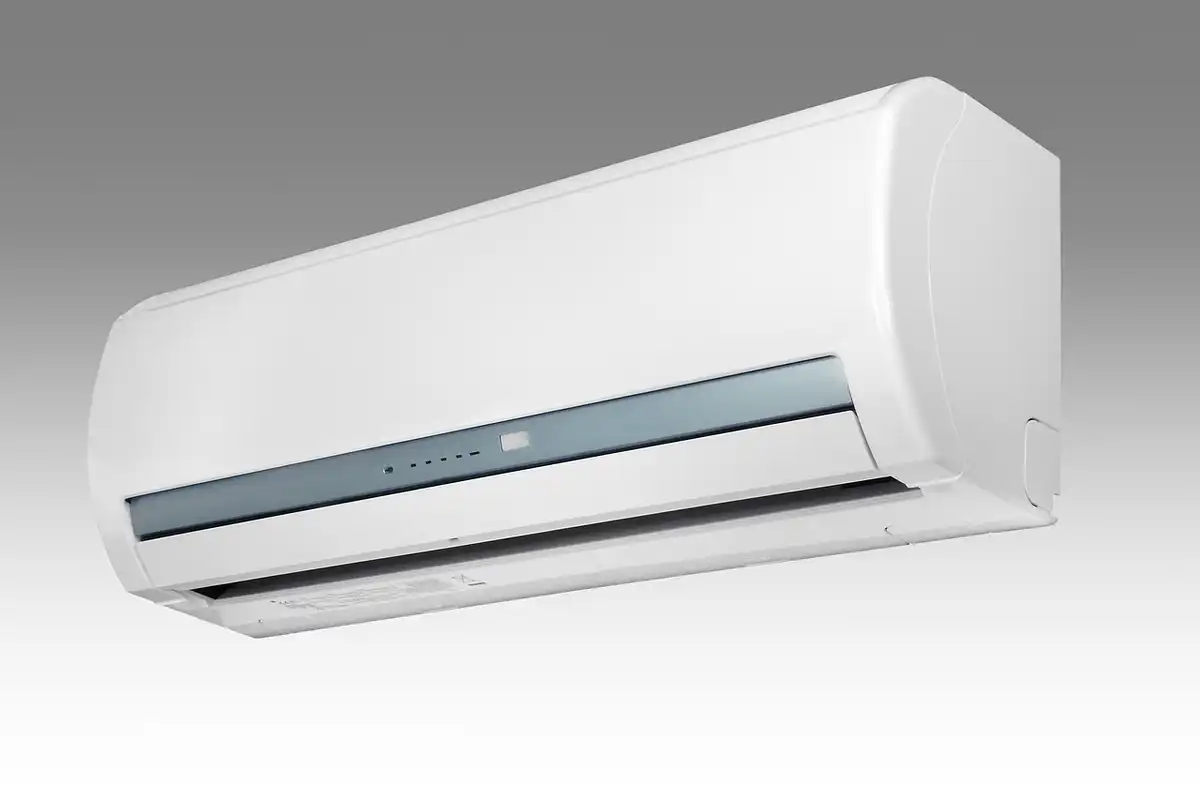
Ductless mini-splits give you flexibility without the need for ductwork, which makes them ideal for updating homes. These units stick out about 7 inches from the wall and typically span 3 feet wide. You can control them remotely, and their vents open during operation. Central air conditioning systems use existing ductwork, and their vents blend better with architectural features.
Central AC might be your best choice if your home’s ductwork is in good shape and you want even cooling throughout. On the other hand, ductless mini-splits work better if you need control over individual room temperatures or your home doesn’t have ducts.
Why compact units are easier to hide
Small units create fewer design challenges. Some manufacturers now produce very compact condensers—just 500mm x 500mm x 295mm—that fit in cupboards or under sinks. Systems like concealed duct mini-splits can cool multiple rooms through air ducts while staying out of sight.
Consulting with designers for layout planning
Your HVAC components should be picked during the design phase to merge them naturally. Professional designers know which enclosures work safely with your system and where to place them. This shared planning creates the right balance between looks and performance.
It is also important to loop an HVAC technician into the conversation to ensure the design will work. According to Blizzard Mechanical LLC, a Connecticut mechanical contractor, one of the most important questions to ask is “How Much Experience Do You Have With Buildings Like Mine?” While it is important to use the correct type of HVAC contractor, it is also important to confirm they are familiar with your building and can provide accurate insights.
Bringing It All Together
Air conditioning systems need to look good while working well in your home. You can turn cooling units into subtle or attractive design elements through smart placement, furniture arrangement, and creative design techniques.
Your specific needs come first. Window units work better with overhead placement. Mini-splits can hide behind custom millwork or become part of gallery walls. Whatever system you choose, proper airflow and easy maintenance access should be your priorities along with looks.
The best results come from mixing different approaches. Match your wall color to the unit and arrange furniture strategically. This creates a layered hiding effect that pulls eyes away from practical equipment toward your carefully chosen décor.
Expert help makes a real difference. HVAC specialists will suggest the right units for your space. Interior designers help blend these systems naturally into your home’s overall look.
Your living space needs to match both your style priorities and daily needs. These creative solutions let you stay perfectly comfortable while keeping your home’s visual appeal intact.
Comments on this guide to Stylish Ways to Hide Air Conditioner Unit Inside Your Living Space article are welcome.
HVAC – Air Conditioners
Air Conditioners Posts
Why Rely On Professionals For Air Conditioning, Heating, HVAC
HVAC Systems in Modern Architecture
++
Buildings
Residential Architecture Articles
Comments / photos for the Air conditioning types for residential builds – Buildings temperature control page welcome.