Storage Containers For Small Businesses
14 July 2025
Containers 101: A Laid-Back Look at What Works and What Doesn’t
- Containers can solve real-world space problems quickly and affordably
- Basic models are often the most practical choice for small businesses and rural use
- Poor placement and rushed modifications cause most long-term issues
- The best builds stay simple and respect the container’s original strengths

Talk to someone who’s used containers for more than five minutes, and you’ll hear opinions. Some swear by modified builds for backyard studios. Others think nothing beats basic steel for on-site storage. If you’re stuck choosing between sizes, shapes, and structural tweaks, you’re not alone. This is where a little lived-in advice helps more than a spec sheet.
The truth is, containers aren’t magic—but they do work, and when they’re set up right, they work well. The hard part isn’t finding one. It’s knowing what you’ll need from it five years down the track. Do you want plug-and-play practicality, or are you up for a bit of welding, cutting, and trial-and-error to make it fit your vision?
When Containers Just Work
Containers tend to win over people who care more about outcomes than aesthetics. If you’ve got tools that need shelter, or a growing pile of project gear with nowhere dry to live, a container solves the problem in a weekend. No permits, no construction delays—just position, level, and you’re off.
Rural properties tend to be where containers really earn their keep. Whether it’s shielding pumps, storing fencing supplies, or acting as a temporary workshop while bigger plans take shape, they keep things secure and weatherproof without much fuss. They’re heavy enough not to blow over in a storm and simple enough that you can forget about them for months at a time.
There’s also something to be said for how easily containers adapt to short-term needs. Temporary studio? Done. Overflow stockroom for a home-based business? Also done. The uniform shape and steel construction make them feel solid and reliable without demanding constant maintenance. They’re not glamorous, but they’re not meant to be. That’s often the appeal.
Where the Basic Models Still Make Sense
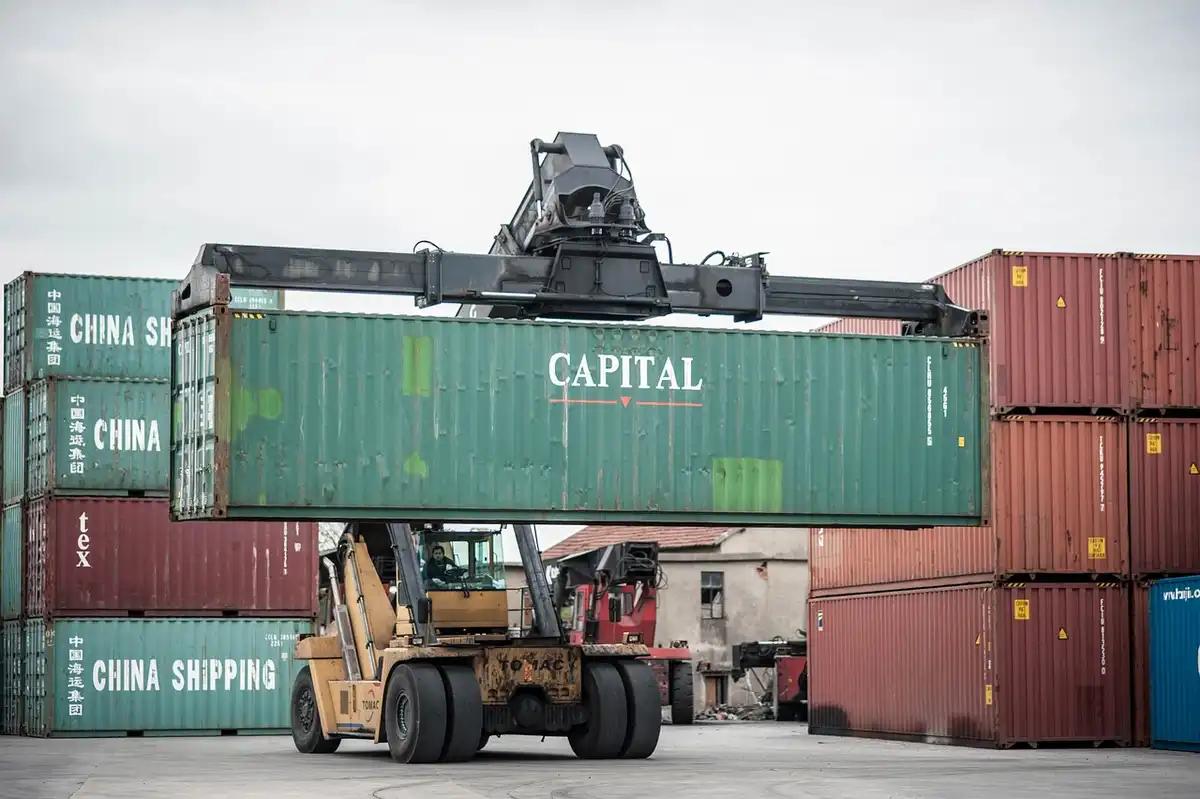
Not every job needs a tricked-out shipping container with insulation, vents, and custom cut-outs. Sometimes what works best is the thing that hasn’t changed much in decades. The standard shipping container was built to move cargo, but its second life as on-site storage or a makeshift shed hasn’t lost relevance.
Plenty of small businesses, especially in trades or construction, keep one on-site for gear that doesn’t need climate control. You can toss in concrete mixers, cabling, or hand tools and not worry about them sitting out in the rain. They’re also handy for event crews or seasonal workers who need something secure that can be packed and moved between sites.
Even in more urban setups, the basic container still finds a home. Drive around the outskirts of town and you’ll spot them sitting behind workshops, holding onto everything from scrap timber to secondhand tiles. It’s not high-tech, but it’s efficient. And when something just works, it doesn’t always need updating.
Where It Starts to Fall Apart
The downside of containers usually shows up when they’re asked to do more than they were built for. What starts as a clever repurposing idea can turn into a headache if you’re not prepared for the quirks. Rust is one of the big ones—especially in coastal areas or places with poor drainage. Even corten steel needs some upkeep if it’s sitting in one spot for years.
Then there’s insulation. Containers trap heat in summer and hold onto cold in winter, which makes them uncomfortable without serious modifications. People often forget that adding vents, lining, or climate control isn’t just a plug-and-play job. Cutting panels, reinforcing walls, and dealing with condensation takes planning, and it eats into the budget fast.
There’s also the issue of local regulations. Councils don’t always love the look of a shipping container parked in a backyard, even if it’s tucked away. Permits can be tricky, especially in built-up areas. And once you start cutting or adding plumbing, things cross into the grey zone where building codes start applying. These are the parts that don’t show up in the glossy Instagram posts.
Containers With a Bit of Personality
Despite the hurdles, some people get it right—and the result can be surprisingly good. Containers that have been thoughtfully modified can do a lot more than just store gear. A simple paint job, decent windows, and a well-planned interior can turn a steel box into a workable office, artist’s studio, or even a compact guest room.
The key is knowing what to change and what to leave alone. Too many cut-outs weaken the structure, while bad insulation choices lead to long-term issues with mould or heat. But when someone takes the time to get the ventilation right, uses treated materials inside, and places the container with airflow in mind, the difference is massive.
Some of the smartest builds keep it simple. One window for light, a solar panel up top, maybe a small deck if it’s used regularly. It’s usually not the big, flashy modifications that make a container useful. It’s the small, practical ones—choices that respect the limits of the original design while making it livable.
Making the Call Without Regret
It’s easy to get carried away with big ideas when it comes to containers. You see one on a blog turned into a tiny home or studio, and suddenly yours doesn’t seem quite so ambitious. But that comparison rarely helps. The best setups come from clear, honest questions: What do you need it for? How long will you use it? Will the space stay temporary or grow into something permanent?
The people who make containers work tend to keep their expectations in check. They choose materials that last, plan for airflow, and don’t overmodify just for looks. And they’re realistic about placement—avoiding steep slopes, flood zones, or access issues that become a hassle down the line.
A container isn’t a fix-all, but in the right hands, it’s a solid tool. Use it like one. Think ahead, tweak where needed, and let it do what it does best without overcomplicating things.
Comments on this guide to Storage containers for small businesses article are welcome.
Shipping Containers
Modular Shipping Container Building Posts
Designing a shipping container home tips

image source : pixabay.com
6 things to know building shipping container home
Modular building like a shipping container cafe
++
Buildings
New Architecture Design
Comments / photos for the Storage containers for small businesses advice page welcome.