Architect’s Guide to Specifying Ipe Wood for Exterior Projects
12 May 2026
Every material decision you make at the spec stage follows a project for decades. Choose wrong, and you’re dealing with warranty calls, material failures and unhappy clients. Choose right and the building takes care of itself. Ipe wood is one of those rare materials that consistently earns its place on a spec sheet.
Architects around the world use Ipe wood for exterior projects for commercial boardwalks, luxury residential decks and high-end cladding because it simply outlasts everything else. This guide covers what you need to know before writing Ipe into your next exterior project. It shares details about its properties and grading with installation requirements and limitations.

Why Architects Prefer Ipe for Exterior Projects
Ipe, Handroanthus spp. or formerly Tabebuia, is a tropical hardwood grown primarily in South America. It has been used in some of the most demanding exterior environments on the planet. Architects and contractors prefer to install in public plazas, coastal boardwalks, marine docks, and high-end residential decks. What makes it a specification-grade material is not just one property but a combination of several.
It carries a Class A fire rating under ASTM E84, Similar to concrete and steel. That matters on commercial projects and anywhere local codes require fire-resistant exterior materials. It also has a lifespan of 75+ years when properly maintained, which means the material will likely outlast the building’s first renovation cycle.
Performance consistency is the real advantage Ipe offers over composite decking or domestic woods like cedar and pressure-treated pine, which makes this architect’s preferred choice for exterior projects. Composites easily fade and start warping and softening under prolonged UV and moisture exposure. Ipe does not.
Key Mechanical Properties You Need on Your Spec Sheet
Mechanical data is not just for structural engineers. A better understanding of these numbers also helps architects to make better decisions on span lengths, substructure design, and fastener specifications.
Here are the core values for Ipe:
Janka Hardness
3,680 lbf is one of the hardest commercially available lumber species. This translates to outstanding resistance to denting and surface wear in high-traffic areas.
Modulus of Rupture
25,400 psi is the bending strength. Ipe can span longer distances than most wood alternatives, which may reduce joist frequency in some applications. Architects need to always verify against local codes. The standard is 16″ O.C. for 1×6 and 24″ O.C. for 5/4×6.
Modulus of Elasticity
3,120,000 psi explains how stiff the board is under load. Ipe holds its shape exceptionally well.
Specific Gravity
0.89 (basic) / 1.05 at 12% MC explains Ipe as a dense, heavy material. Ipe weighs approximately 69 lbs per cubic foot. That is significantly heavier than cedar (around 23 lbs/ft³) or most composite products. Your substructure needs to account for this load early in the design phase rather than during construction documents.

Appearance and Grading
One thing clients consistently misunderstand about Ipe is that it is not a uniform product. It is a natural wood with real variation, and your spec documents should make that clear from day one.
Color and Grain
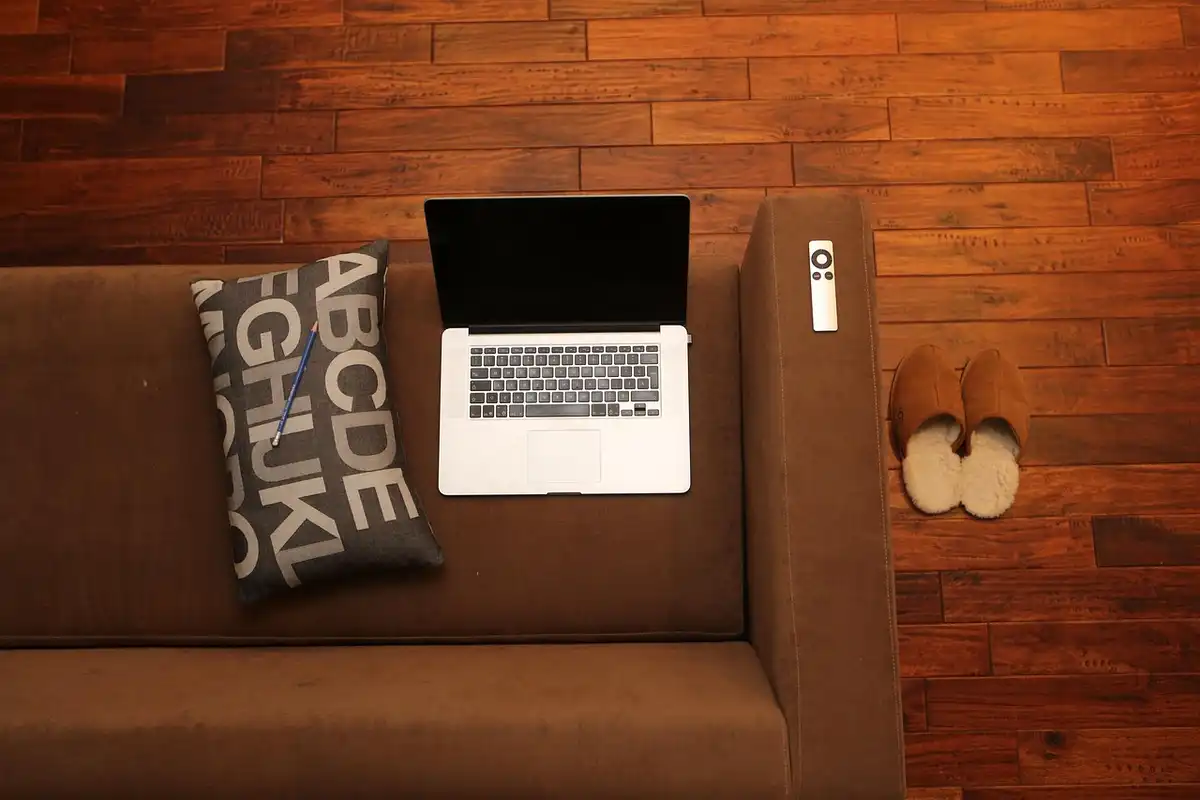
Ipe has an elegant appearance with a variety of colors that you explore from plank to plank. Mostly planks have light olive brown and deep chocolate brown hues. Some boards also have small touches of red or gold in them. You may observe contrasting darker streaks running through the grain.
The grain itself varies from straight to heavily interlocked. Interlocked grain can cause minor surface tearout during machining for contractors with no experience with the material — worth flagging in your contractor pre-qualification process.
Weathering Behavior
Ipe will weather to a silver-gray over time without annual oiling due to UV exposure. Many clients actually prefer this look. Those who want to maintain the original warm brown color ask for an annual application of a UV-rated penetrating oil. The wood remains structurally sound in both cases. It is extremely stable and requires minimal surface checking or splintering when properly acclimated and end-sealed.
The Premium Architectural Grade supplied by Ipe Woods USA is primarily clear of defects, but it is still a natural product. Document this in your project specs so it does not become a dispute later.
Installation Specifications to Include in Your Project Documents
This section is where good specs separate from bad ones. If you do not write these requirements clearly, contractors will skip steps, which leads to callbacks.
Acclimation
Mandate 7 to 14 days of on-site acclimation before installation begins. You must sticker the boards by spacing with horizontal wood strips to allow airflow on all four sides. Avoid putting them in direct sunlight and rain during this period. Skipping acclimation leads to movement and checking after installation.
Cutting and Machining
Ipe requires carbide-tipped saw blades and drill bits. Standard steel tooling dulls quickly on this material. Machined surfaces come out exceptionally smooth, but the cutting resistance is high. Contractors unfamiliar with dense tropical hardwoods will underestimate this.
Fastening
Pre-drilling is required for every fastener. Without it, you will get splitting. Specify 316 stainless steel screws for all installations, which are specifically critical in coastal projects where salt air accelerates corrosion and causes staining. Hidden clip systems are widely compatible with grooved Ipe profiles and give a cleaner finished appearance.
End Sealing
Every cross-cut must be sealed immediately with an aqueous wax emulsion — Anchorseal is the standard product used in the trade. Leaving end grain exposed causes end-checking as moisture enters the wood. Write this requirement into your project specs explicitly.
Limitations to Document Before the Project Starts
Being honest about limitations in the spec documents is not a weakness; instead, it protects you and your client.
Weight
At ~69 lbs/ft³, Ipe is not a drop-in replacement for lighter materials. Structural coordination needs to happen early. If the substructure was designed for composite decking, it may not be adequate.
Labor Costs
Ipe is harder to machine and install than domestic lumber. Contractors need more time and better tooling. Budget accordingly and mention this in the contractor pre-qualification requirements.
Health and Safety of Labor
Ipe sawdust is a respiratory irritant. Your project safety specifications should require appropriate PPE — at minimum an N95 respirator — for all cutting operations.
Conclusion
Ipe is one of the few exterior materials that holds up to the promise made at the specification stage. A 75+ year lifespan and Class A fire resistance with a genuine structural strength make it worth the extra coordination it requires upfront.
The material will not fail you, but a poorly written spec will. Take the time to document acclimation requirements, fastener specs, and weight implications before the project goes to bid. A well-written Ipe spec written today can perform without complaint for the next three generations of building owners.
Comments on this guide to Specifying Ipe Wood for exterior projects article are welcome.
Flooring
Flooring Posts
Advantages And Disadvantages Of Hardwood Flooring
Solid wood flooring for your home
Most common flooring installation mistakes homeowners make
Building Articles
Contemporary Architecture
Comments / photos for the Architect’s Guide to Specifying Ipe Wood for Exterior Projects page welcome