Inside the Future: Smart Home Designs Every Architect Is Talking About
post updated 28 August 2026
28 August 2025
Technology is reshaping how we live, and nowhere is this more evident than in modern housing. Smart homes are no longer futuristic concepts—they’re becoming everyday realities. As innovation merges with architecture design, the result is living spaces that are efficient, adaptable, and deeply connected to the needs of their residents. From AI-driven lighting to voice-controlled kitchens, the future of home design is arriving faster than many expected.
The Rise of Integrated Living
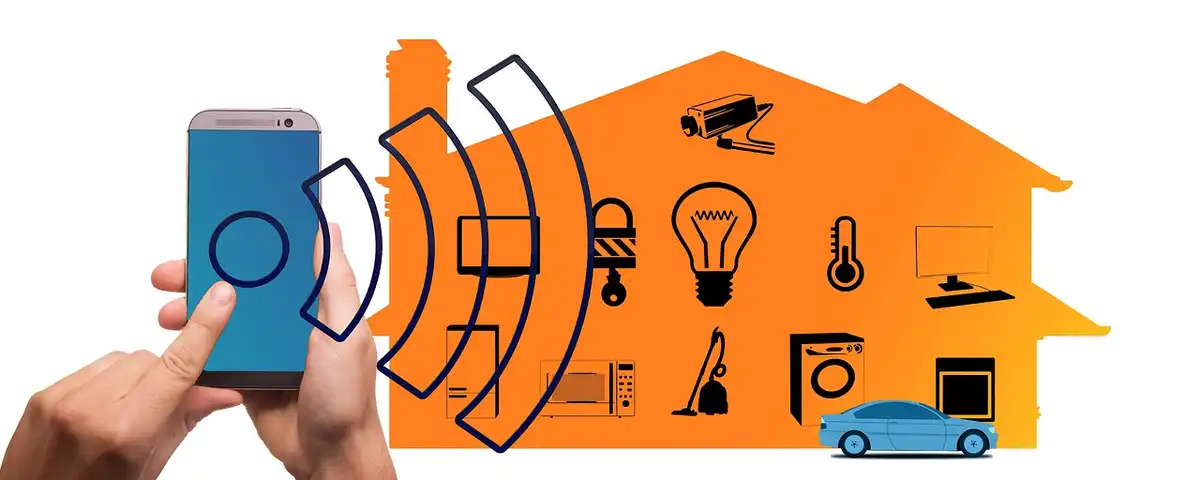
Smart homes aren’t just about gadgets scattered around the house. The new approach integrates technology into the very structure of a building. Heating, cooling, and lighting systems are built seamlessly into walls and ceilings, eliminating clutter while creating environments that respond automatically to lifestyle patterns. This integration highlights how architecture design is evolving to accommodate technology without compromising aesthetics.
Energy Efficiency as a Priority
With rising energy costs and climate concerns, homeowners are prioritizing efficiency. Smart thermostats, automated blinds, and solar-integrated roofing are becoming common features. These technologies don’t just save money; they significantly reduce a home’s environmental footprint. The result is houses that align with sustainability goals while offering long-term benefits to owners.
Intelligent Lighting Systems
Lighting has advanced far beyond basic on-off switches. Homes today feature adaptive systems that adjust color and intensity based on the time of day or activity. Morning light simulates sunrise to boost energy, while evening light mimics sunset for relaxation. This connection between well-being and design is one reason intelligent lighting has become a central theme in architecture design conversations.
Kitchens of the Future
The kitchen has always been the heart of the home, and now it’s becoming the brain too. Smart refrigerators that track groceries, ovens that can be preheated remotely, and voice-activated faucets are redefining daily routines. Designers are working to conceal this technology within cabinetry and counters, ensuring that kitchens remain sleek while becoming increasingly intelligent.
Security and Peace of Mind
Safety is another area where smart homes excel. Motion-sensor cameras, biometric locks, and automated alarms offer unprecedented control. Many systems can now be managed remotely, allowing homeowners to monitor properties from anywhere. By embedding these features into the design itself, houses provide security without looking like fortresses.

Health-Oriented Homes
Wellness has entered the world of technology-driven design. Air-quality monitors, water filtration systems, and circadian lighting all contribute to healthier living spaces. As lifestyles become busier, these features help maintain balance and well-being. The trend is shifting focus from just convenience to holistic care through smart living environments.
Customization Through AI
Artificial intelligence is making personalization effortless. Homes learn preferences—from favorite room temperatures to lighting moods—and adapt automatically. Some systems even predict routines, preparing a space before a person enters. This kind of customization blurs the line between design and lifestyle, reinforcing the role of architecture design as a dynamic, responsive practice rather than a static discipline.
Challenges of Smart Design
Despite its appeal, integrating technology into homes comes with challenges. Privacy concerns, cybersecurity, and long-term maintenance are ongoing issues. Architects and designers must balance innovation with responsibility, ensuring that smart systems remain secure and user-friendly. Longevity is also critical—technology should enhance a home without requiring constant costly upgrades.
Looking Ahead
As technology continues to evolve, so will the concept of the smart home. Future designs may include self-sustaining energy systems, robotic furniture that shifts layouts on command, and even adaptive walls that respond to changing needs. What remains constant is the drive to make homes more comfortable, efficient, and personalized.

Final Thoughts
The smart homes of today are shaping the lifestyles of tomorrow. By weaving technology into architecture design, spaces are becoming more than just shelters—they’re intelligent partners in daily life. From sustainability to personalization, the innovations transforming homes reflect not just progress in design, but in the way people live and connect.
Comments on this guide to Smart home designs: modern housing article are welcome.
Smart Home Design
Smart Home Design Articles
Benefits of Building a Smart Home
6 Smart Home Devices Compatible with Amazon Alexa

How Smart Homes Have Changed Architecture
Essential automation devices for your smart home
++
Building Articles
Residential Property
Comments / photos for the Inside the Future: Smart Home Designs Every Architect Is Talking About page welcome.