Siding Contractors: Choosing Materials, Installation Best Practices, and Maintenance Tips
post updated 19 September 2026
September 19, 2025
When it comes to protecting and enhancing the exterior of your home, siding plays a vital role. It shields your property from the elements, contributes to energy efficiency, and defines the aesthetic appeal of your house. Choosing the right siding contractor is essential to ensure that your investment delivers both durability and beauty. From selecting the appropriate materials to understanding installation techniques and long-term maintenance, homeowners must navigate a series of decisions that can significantly impact the performance and longevity of their siding.
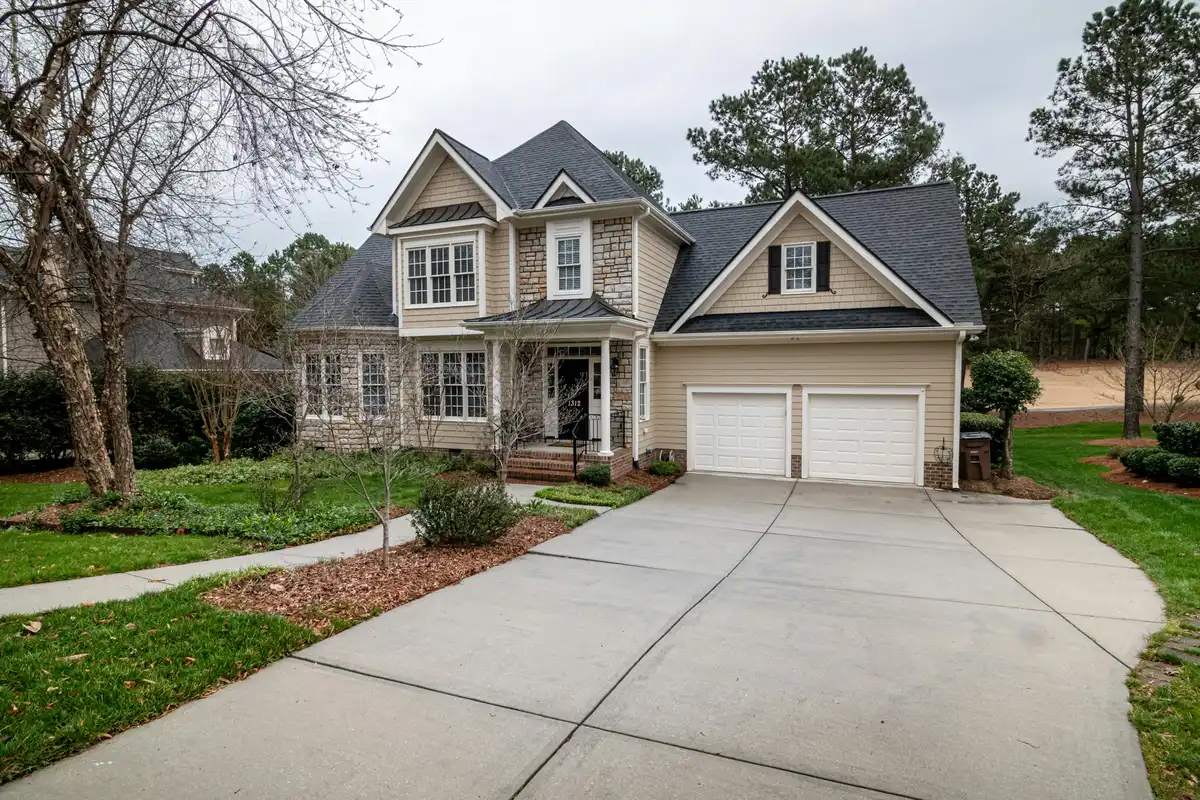
Choosing the Right Siding Material for Your Home
The first major decision in any siding project is selecting the material. Each type of siding offers distinct advantages and challenges, and the choice often depends on climate, budget, architectural style, and personal preference. Vinyl siding remains one of the most popular options due to its affordability, low maintenance, and wide range of colors and textures. It resists moisture and fading, making it suitable for various climates, though it may crack in extreme cold or warp under intense heat.
Fiber cement siding is another strong contender, known for its durability and resistance to fire, insects, and rot. It mimics the look of wood, stucco, or masonry and offers a high-end appearance without the vulnerabilities of natural materials. However, it is heavier and more expensive than vinyl, requiring skilled installation and periodic painting.
Wood siding offers timeless charm and natural beauty, often seen in traditional or historic homes. Cedar and redwood are popular choices due to their resistance to decay and insects. While wood siding can be customized and repaired easily, it demands regular maintenance, including staining or painting, to protect against moisture and sun damage.
Metal siding, typically made from aluminum or steel, provides a sleek, modern look and excellent durability. It resists fire and pests and is often used in contemporary designs. However, it can dent easily and may be prone to rust if not properly coated.
Brick and stone veneer siding offer a classic, upscale appearance and exceptional longevity. These materials are resistant to weather and require minimal maintenance, though they come with a higher price tag and complex installation requirements.
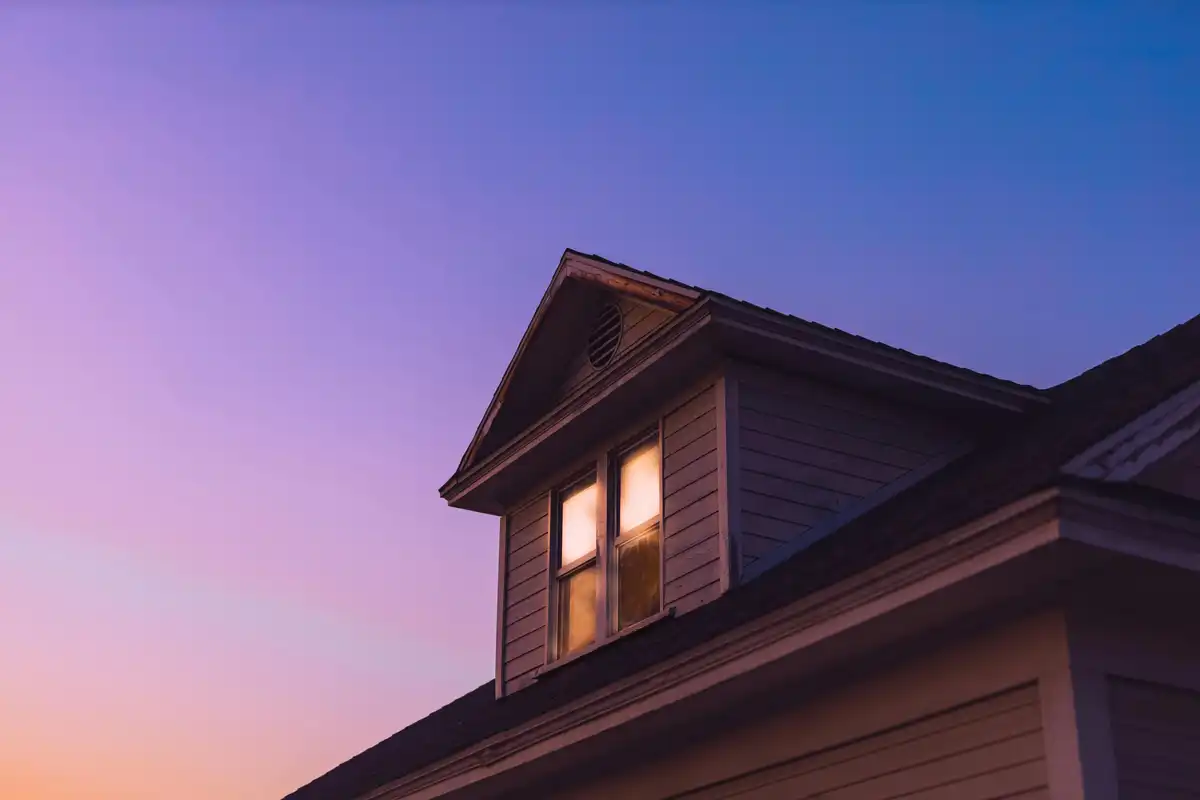
Installation Best Practices That Ensure Longevity
Proper installation is critical to the performance and lifespan of siding. Even the best materials can fail if not installed correctly. A qualified siding contractor will begin with a thorough inspection of the home’s exterior, identifying any structural issues, moisture problems, or insulation needs. Surface preparation is essential, including removing old siding, repairing damaged sheathing, and installing a moisture barrier or house wrap to prevent water infiltration.
Attention to detail during installation makes a significant difference. Siding must be installed with the correct spacing to allow for expansion and contraction due to temperature changes. Fasteners should be placed precisely to avoid buckling or loosening over time. Flashing around windows, doors, and rooflines must be properly integrated to direct water away from vulnerable areas.
Ventilation and drainage are also key considerations. Some siding systems include built-in channels or weep holes to allow moisture to escape, reducing the risk of mold and rot. Contractors should follow manufacturer guidelines and local building codes to ensure compliance and optimal performance.
Communication between the homeowner and contractor is vital throughout the process. Clear expectations regarding timelines, materials, and warranties help avoid misunderstandings and ensure a smooth project. Reputable contractors provide written estimates, detailed contracts, and proof of insurance and licensing, offering peace of mind and accountability.
North Texas homeowners—especially in Richardson, Dallas, Irving, and Plano—benefit from working with a local window and siding team that understands climate, codes, and long-term maintenance. For help selecting materials, integrating energy-efficient windows, and clarifying warranties and timelines, contact Best Buy Windows & Siding to schedule a consultation in Richardson, TX.
Maintenance Tips to Preserve Appearance and Function
Once installed, siding requires regular care to maintain its appearance and functionality. The level of maintenance depends on the material, but all types benefit from periodic inspection and cleaning. Vinyl siding should be washed annually with a garden hose or pressure washer on a low setting to remove dirt, mildew, and stains. Avoid harsh chemicals or abrasive tools that can damage the surface.
Fiber cement siding should be inspected for cracks or peeling paint. Repainting every ten to fifteen years helps preserve its protective coating and aesthetic appeal. Caulking around joints and trim should be checked and replaced as needed to prevent water intrusion.
Wood siding demands more frequent attention. Homeowners should inspect for signs of rot, insect damage, or peeling paint. Repainting or staining every few years helps protect against moisture and UV damage. Promptly repairing damaged boards prevents further deterioration and maintains the integrity of the siding.
Metal siding requires minimal upkeep but should be checked for dents, rust spots, or loose panels. Touching up paint and applying rust inhibitors can extend its lifespan. Brick and stone veneer siding should be inspected for mortar deterioration or cracks. Repointing and sealing may be necessary to maintain structural integrity and appearance.
Seasonal inspections, especially after severe weather, help identify issues early and prevent costly repairs. Keeping vegetation trimmed away from the siding reduces moisture buildup and pest access. Gutters and downspouts should be maintained to direct water away from the foundation and siding.
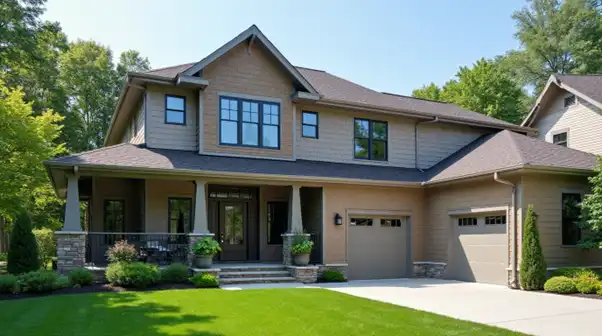
Conclusion: Partnering with the Right Contractor for Lasting Results
Siding is a major investment that affects both the curb appeal and structural resilience of your home. Choosing the right contractor ensures that the materials are installed correctly, the project stays on schedule, and the finished product meets your expectations. By understanding the strengths and limitations of various siding materials, adhering to best installation practices, and committing to regular maintenance, homeowners can enjoy a beautiful and durable exterior for years to come.
A trusted siding contractor like Price Brothers siding contractors brings not only technical expertise but also valuable guidance throughout the decision-making process. Their experience helps you navigate material options, design considerations, and long-term care strategies. With the right partnership, your siding project becomes more than a renovation—it becomes a lasting enhancement to your home’s value, comfort, and character.
Comments on this guide to Siding contractors: materials, installation and maintenance article are welcome.
Building Siding Material
Building External Siding Materials
Siding and architecture what every homeowner should know
++
Architecture Designs
Home Designs
Comments / photos for the Siding contractors: materials, installation and maintenance advice page welcome.