
Restaurant Furniture Trends: Modern Designs That Enhance Dining Experiences
17 December 2025
Modern restaurant furniture designs are redefining how dining spaces look and feel. Clean lines, simple silhouettes, and functional aesthetics dominate today’s restaurants, moving away from bulky or overly ornate styles. Contemporary restaurant furniture focuses on balance—combining visual appeal with comfort and durability.
Modern Restaurant Furniture Designs Shaping Today’s Dining Spaces
Open-frame chairs, sleek tabletops, and neutral color palettes help create inviting environments that feel both stylish and approachable. Many modern restaurants also favor mixed seating options, blending chairs, booths, and bar stools to add visual interest. This design flexibility allows restaurants to cater to different guest preferences while maintaining a cohesive look. By adopting modern restaurant furniture designs, businesses can stay relevant, attract design-conscious diners, and create memorable dining experiences that encourage longer stays and repeat visits.
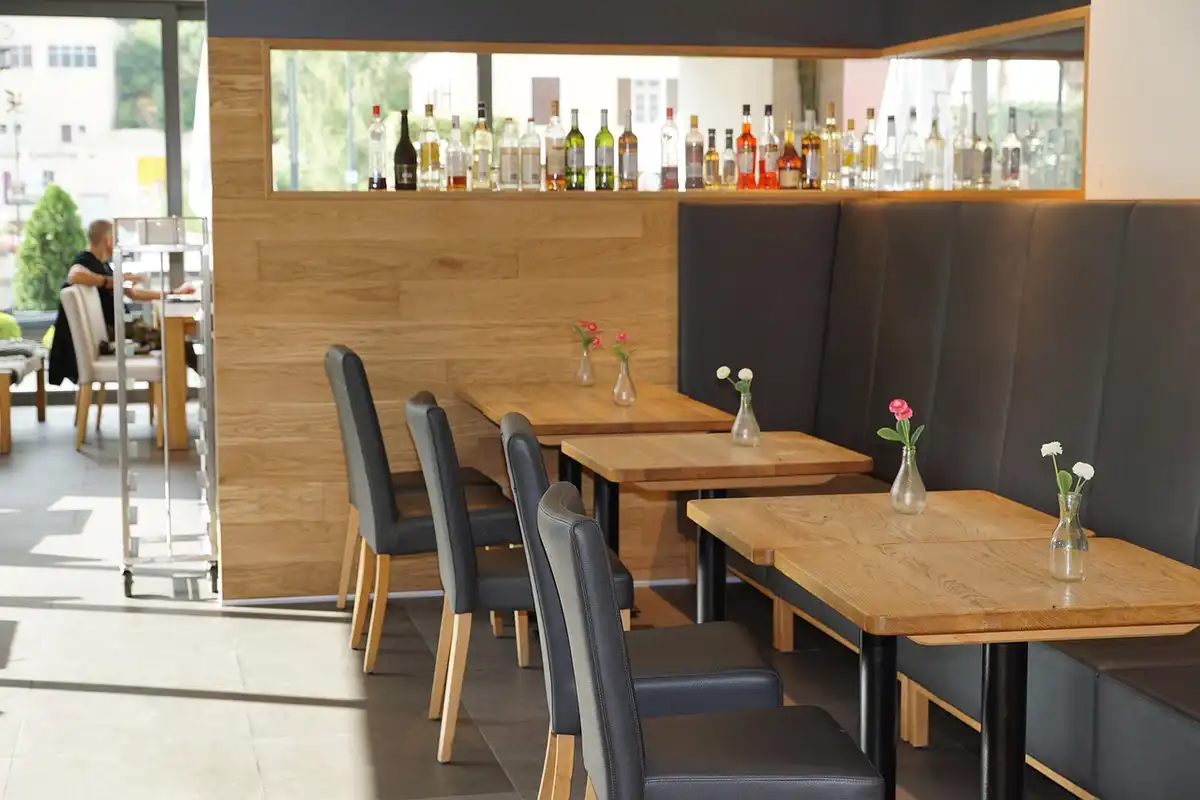
Popular Materials and Finishes in Contemporary Restaurant Furniture
Material choices play a major role in modern restaurant furniture trends. Today’s restaurants favor materials that combine durability with refined aesthetics. Solid wood remains popular for its warmth, while metal frames add strength and a modern edge. Engineered wood, laminate, and high-pressure surfaces are widely used for tabletops due to their resistance to stains and scratches.
Upholstered restaurant furniture often features performance fabrics that resist spills and wear while maintaining comfort. Finishes such as matte coatings, natural wood stains, and powder-coated metals are trending for their understated elegance. These materials and finishes not only enhance visual appeal but also support long-term use in high-traffic environments. Selecting the right combination ensures restaurant furniture looks stylish while standing up to daily operational demands.
How Minimalist Restaurant Furniture Improves Guest Comfort
Minimalist restaurant furniture focuses on simplicity, functionality, and comfort. By reducing visual clutter, minimalist designs create calm and inviting dining environments that help guests relax and enjoy their meals. Slim-profile chairs, clean-lined tables, and neutral tones contribute to a sense of openness, especially in smaller spaces.
Minimalist restaurant furniture is designed with ergonomics in mind, offering proper support without unnecessary bulk. This approach also improves traffic flow, making it easier for staff and guests to move comfortably throughout the space. Additionally, minimalist furniture highlights other design elements such as lighting and décor, creating a balanced atmosphere. Restaurants that embrace minimalist furniture often benefit from improved guest satisfaction and a modern aesthetic that appeals to a wide audience.
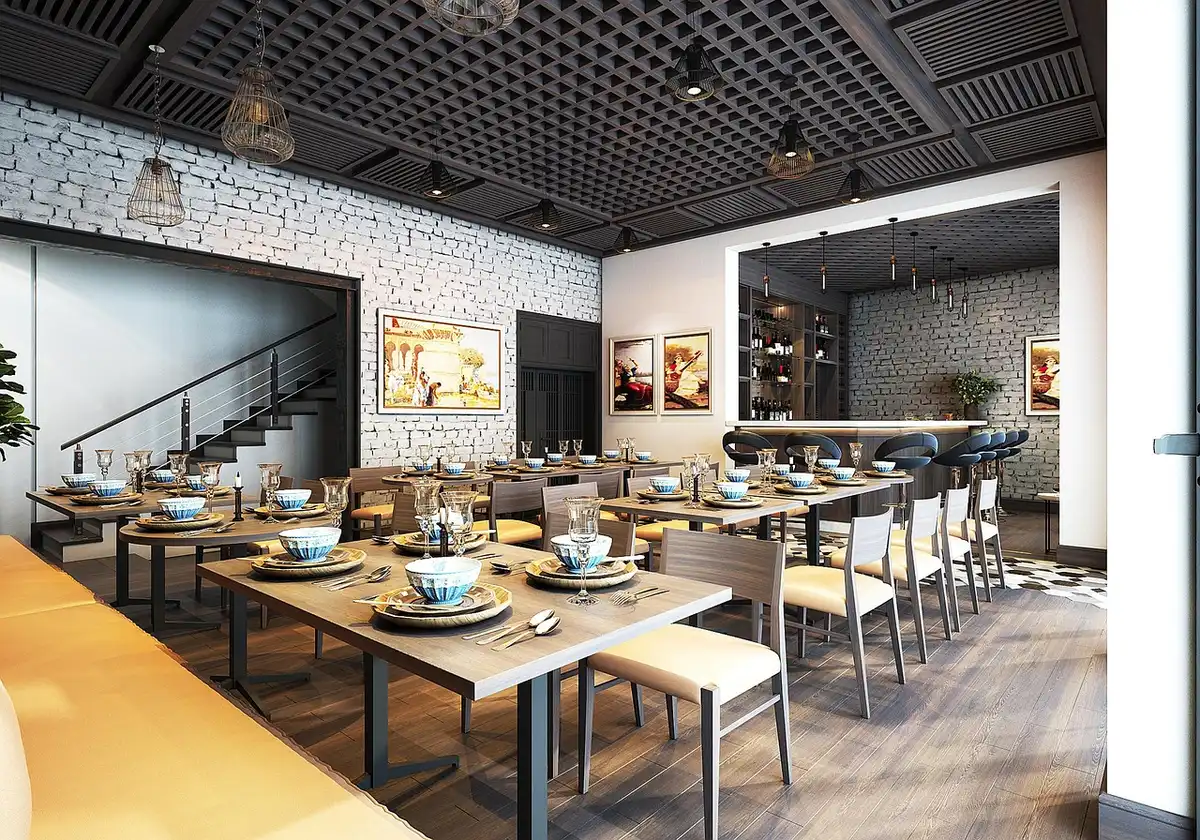
Flexible and Modular Restaurant Furniture for Changing Layouts
Flexibility is a major trend in restaurant furniture as dining spaces adapt to changing needs. Modular tables, stackable chairs, and movable booths allow restaurants to quickly reconfigure layouts for different group sizes, events, or peak hours. This adaptability is especially valuable for restaurants that host private events or experience fluctuating traffic.
Modular restaurant furniture supports efficient use of space while maintaining consistent design aesthetics. Lightweight yet durable materials make rearranging furniture easy without sacrificing stability. Flexible furniture solutions also help restaurants respond to seasonal demands, such as expanding seating during busy periods. Investing in adaptable restaurant furniture improves operational efficiency, enhances guest experience, and provides long-term value by supporting multiple layout options.
Sustainable Restaurant Furniture Trends for Eco-Conscious Brands
Sustainability is increasingly influencing restaurant furniture choices. Eco-conscious brands are opting for furniture made from responsibly sourced wood, recycled materials, and low-impact manufacturing processes. Sustainable restaurant furniture not only reduces environmental impact but also aligns with modern consumer values.
Finishes with low VOC emissions and long-lasting materials help minimize waste and improve indoor air quality. Many restaurants also choose furniture designed for easy repair or refurbishment rather than replacement. This approach supports both sustainability goals and cost efficiency. By incorporating eco-friendly restaurant furniture, businesses can strengthen their brand image, appeal to environmentally aware diners, and contribute positively to long-term sustainability efforts without compromising on style or performance.
Technology-Integrated Restaurant Furniture Enhancing Customer Experience
Technology integration is transforming restaurant furniture into more functional and interactive elements. Modern designs now include built-in charging ports, wireless charging surfaces, and smart lighting integrated into tables or booths. These features enhance convenience for guests who rely on mobile devices.
Some restaurant furniture also supports QR-code menus or embedded digital displays, streamlining ordering and service. Technology-integrated furniture improves efficiency while creating a modern dining experience that meets customer expectations. Importantly, these features are designed to blend seamlessly into the furniture without disrupting aesthetics. As technology becomes a standard part of dining, restaurants that invest in tech-enhanced furniture can differentiate themselves, improve customer satisfaction, and stay competitive in evolving markets.
Conclusion
Restaurant furniture trends continue to evolve, driven by modern design preferences, sustainability, flexibility, and technology integration. From minimalist styles and durable materials to modular layouts and eco-friendly solutions, today’s restaurant furniture is designed to enhance both guest experience and operational efficiency. Thoughtful furniture choices help create welcoming spaces that reflect brand identity while supporting comfort and functionality.
Technology-enhanced and adaptable furniture solutions further improve convenience and long-term value. By staying informed about current restaurant furniture trends, restaurant owners can design spaces that attract customers, encourage repeat visits, and adapt to changing dining expectations. Investing in modern, well-designed restaurant furniture is not just a design decision—it’s a strategic move that supports growth, efficiency, and memorable dining experiences.
Comments on this guide to Restaurant furniture trends: modern dining designs article are welcome.
Restaurant Furniture – Interior Architecture Design
Restaurants Furniture Articles
Restaurant furniture for modern interiors
How building design shapes restaurant furniture
Choosing the right restaurant furniture
++
Building Articles
Architecture
Comments / photos for the Restaurant furniture trends – modern dining design styles page welcome.
