The Overlooked Architecture Of Reliable Indoor Climate Control
12 August 2026
Setting up a comfortable indoor environment feels simple on the surface. You set a thermostat to 72 degrees and expect cold air to flow smoothly. Behind the drywall lies a complex network of ductwork, sensors, and mechanical components that require continuous balance.

Understanding Thermal Equilibrium and System Load
Buildings absorb heat continuously through windows, roofs, and exterior walls. Proper cooling systems match this thermal load through balanced air distribution and calibrated refrigerant pressure. Industry analysis estimates the broader U.S. sector for heating, ventilation, and purification equipment at $29.89 billion in 2024, with projections climbing to $54.02 billion by 2033.
Unbalanced airflow causes uneven temperatures across different zones of a home. Compressors strain when static pressure stays high for extended periods. Airflow balance issues usually start with restricted duct runs or undersized return vents. Simple maintenance routines prevent these systemic pressures from degrading performance.
Sensor Networks and Digital Infrastructure
Modern climate control relies heavily on digital monitoring to detect minor performance shifts. Investing in structured HVAC maintenance plans helps property owners catch subtle airflow restrictions before mechanical components overheat. Digital monitoring tools track static pressure drops and airflow fluctuations across different zones in real time. System telemetry allows technicians to adjust settings long before occupants notice temperature shifts.
Advanced facilities pair physical hardware with virtual building models to optimize operations. A study in ITcon detailed how digital twin platforms sync real-time sensor inputs with virtual models to improve maintenance practices and energy efficiency. Digital integration keeps modern systems running at peak output year-round. These virtual models simulate airflow changes before technicians make physical adjustments on-site.
Control Strategies and Energy Reduction
Modern thermostats use complex algorithms to forecast heating and cooling demand. Automated controls reduce power usage by matching compressor speeds directly to cooling loads. Research in Data-Centric Engineering showed that integrated climate systems using reinforcement learning reduce energy use intensity by up to 25%. Variable-speed motors adjust output dynamically based on real-time room occupancy.
Smart Thermostats and Air Distribution
Modulating dampers adjust airflow based on real-time room occupancy and ambient temperature. Zone controllers direct conditioned air where needed most, cutting down unnecessary cooling cycles. Precise delivery lowers stress on blower motors and extends component lifespan. Smart sensors detect slight temperature shifts and balance air distribution in real time.
Indoor Air Quality and Filtration Mechanics
Dust accumulation on cooling coils acts as an insulating layer, forcing systems to work harder. Proper filtration removes airborne particulates and maintains necessary air velocity. A federal building guide emphasized that regular inspection of air filters extends equipment lifespan and keeps indoor environments cleaner. Filter upgrades reduce strain on internal blowers and maintain steady air velocity.
- Clean filter replacement schedules keep static pressure low.
- Bi-annual coil cleanings maintain proper heat exchange efficiency.
- Condensate drain flushes protect against mold buildup inside air handlers.
- Calibrated dampers balance airflow across multi-story buildings.
Predictive Maintenance Models

Traditional reactive repair models wait for total system failure before technicians intervene. Proactive monitoring identifies failing bearings or low refrigerant charges months before breakdown. A market report from Stellar MR found that predictive maintenance reduces average system failures by 30%. Technicians analyze vibration patterns to fix balance issues before motor shafts warp.
Facility managers rely on vibration analysis and thermal imaging to inspect internal components. Catching component wear early reduces labor hours during seasonal service calls. Operational data from MaintainX indicated that predictive approaches lower repair costs up to 25% and boost equipment uptime by 10% to 20%. Early intervention prevents minor motor misalignments from turning into total mechanical breakdowns.
Market Dynamics and Service Contracts
Demand for continuous thermal management has created an expanding commercial service sector. Grand View Research estimated the global service market at $87.2 billion in 2025, expecting growth from $91.8 billion in 2026 to $143.5 billion by 2033. Commercial facilities increasingly outsource technical management to certified specialists to control operational risks. Service providers offer round-the-clock monitoring to maintain optimal indoor environments.
Long-term agreements give building owners predictable operating costs and priority scheduling during peak heatwaves. An industry report from IGTPS revealed that annual maintenance contracts held 45.0% of the market share in 2025 as organizations prioritized consistent performance. Multi-year service agreements provide fixed operational budgets and extend total equipment lifespan. Scheduled inspections prevent sudden system lockouts during extreme weather events.
Indoor comfort relies on a complex web of engineering, digital controls, and continuous care. Keeping these systems calibrated protects valuable mechanical parts and keeps power bills under control. Property owners who treat indoor climate hardware as an active system enjoy lower utility costs and steady, reliable temperatures throughout every season.
Comments on this guide to Reliable indoor climate control architectured article are welcome.
HVAC – Air Conditioners

Air Conditioners Posts
Why Rely On Professionals For Air Conditioning, Heating, HVAC
HVAC Systems in Modern Architecture
++
Buildings
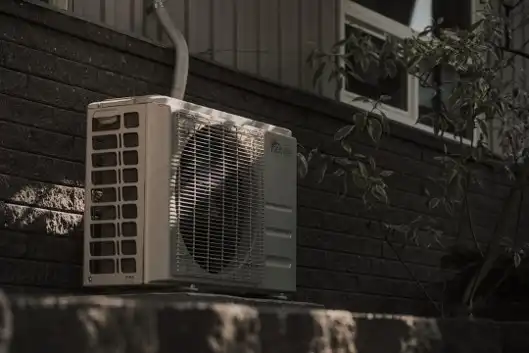
Photo by Everett Pachmann on Unsplash
Residential Architecture Articles
Comments / photos for the Reliable indoor climate control architecture – building temperature control page welcome.