
Why Quality Planning Matters Most in Property Renovation Projects
6 December 2025
Renovations rarely fail due to the hammer swing. They fail when plans are thin, risks are ignored, and details are decided after the walls come down. Quality planning turns chaos into a clear sequence of work, protects budgets and safety, and lets you finish on time with fewer surprises.
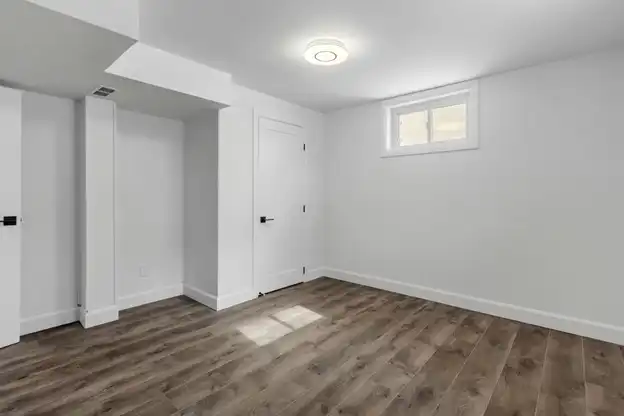
Plan To Prevent Change Orders
Unexpected scope changes are the fastest way to blow a budget. Strong preconstruction work reduces that risk by forcing clarity up front. Define objectives, performance standards, and acceptance criteria in plain language.
Lock in drawings, product specs, and site constraints before you bid the job. Build a risk register that lists likely issues, probability, impact, and the mitigation you will use if they appear. The more complete your plan, the fewer costly midstream changes you will need.
A simple preconstruction checklist
- Current drawings, specs, and as-builts reviewed together
- Hidden conditions scoped via select demo or camera work
- Permits, inspections, and utility shutoffs are scheduled
- Lead times confirmed for every long-lead item
- Alternates are priced in advance for supply chain pivots
Treat Structural Cuts As A Precision Operation
Openings for doors, windows, stairs, or MEP pathways look simple on paper and can be expensive in practice. Sequence matters: survey walls, confirm load paths, and shore before you cut.
If the plan calls for slab or wall penetrations, coordinate engineering, utilities locating, and dust control as a single package. You may need specialty help – many owners bring in a concrete cutting contractor once the layout is snapped, since the right tools and methods reduce vibration, protect finishes, and keep tolerances tight. After cutting, verify edges, embed locations, and rebar placement before you frame or set hardware.
Put Safety And Compliance In The Plan – Not In The Hallway
Safety is not a poster near the break room. It belongs in the schedule and the budget from day one. Write task-specific plans for the high-risk work you know is coming: roofing, trenching, electrical tie-ins, and any cutting or coring of masonry.
Assign accountable owners, define PPE, and schedule toolbox talks ahead of each phase. Clear procedures lower injury risk and keep the project moving when inspectors visit.
Control Dust And Silica From The Start
Renovation dust is more than a nuisance. Cutting, grinding, or drilling concrete can release respirable crystalline silica, which requires specific controls. Plan for wet methods, shrouded tools connected to HEPA vacuums, and designated clean zones.
Schedule negative-air containment and daily housekeeping so dust does not migrate to occupied areas.
Train crews on exposure limits, assign proper respirators when needed, and document the controls in a written plan. When dust control is designed into the work, you protect health, keep neighbors happy, and avoid costly shutdowns.
Document Everything, Communicate Early
Renovations touch many stakeholders: owners, tenants, inspectors, neighbors, and suppliers. Publish a one-page project brief that explains scope, schedule, work hours, contact info, and logistics like parking and deliveries.
Keep a change log that records the why, what, cost, and time impact of every decision. Photos of concealed work – waterproofing laps, flashing, fasteners, firestopping – are invaluable later. Good documentation is not bureaucracy – it is insurance against memory and turnover.
Coordinate Building Systems – They Decide Comfort
New surfaces are pointless if the building is loud, stuffy, or drafty. Plan integrations across HVAC, electrical, plumbing, and controls early. Verify loads and panel space before adding equipment.
If you are moving walls, plan for supply and return locations, thermostat placement, and zoning so comfort does not depend on a lucky seat. Commission systems before handoff – airflow, balancing, and controls tuning are where renovations become livable.
Protect The Site as You Own It
Protection is a line item, not an afterthought. Cover finished floors with the right products, guard corners and elevator cabs, and control water with temporary downspouts and caps.
A clean, organized site reduces damage, speeds inspections, and lifts morale. Treat security the same way – lockable storage, clear tool accountability, and lighting prevent losses and late starts.
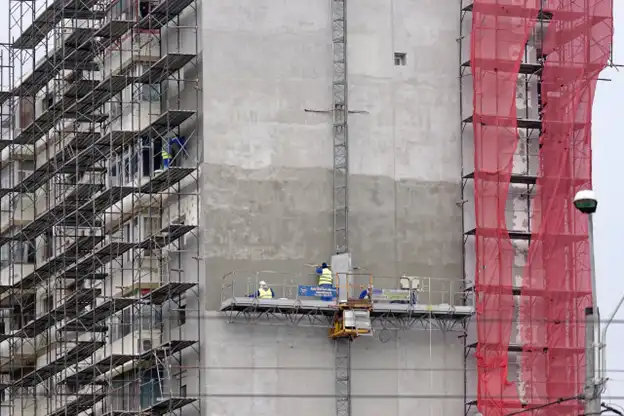
Close Out Like A Pro
The end of a renovation is where quality planning pays off. Start closeout as you start construction: collect warranties, O&M manuals, serial numbers, and training videos as items are installed, not after. Build a punch list per area and clear it in sequence, not all at once at the end.
Walk the space with the owner against the acceptance criteria you set at day one. When you hand over a well-documented project with trained users and tuned systems, callbacks drop, and your reputation rises.
Quality planning is not a luxury – it is the cheapest way to get the project you actually want. Define scope clearly, respect safety and silica controls, budget for unknowns, and sequence the work for flow and inspection.
Do those things consistently, and your renovation will finish cleaner, faster, and with far fewer unpleasant surprises.
Comments on this guide to Quality planning matters in property renovation projects article are welcome.
Building Designs
House Designs – contemporary property additions on e-architect:
Mulholland Drive Annex, eastern Santa Monica Mountains of Southern California
Design: A L M Project
Bundy Drive Residence, Los Angeles
Design: Whipple Russell Architects

++
Home Articles
Residential Architecture
Comments / photos for the Quality planning matters in property renovation projects page welcome.

