
5 Landscape Design Choices That Protect a Home’s Underground Plumbing
24 August 2026

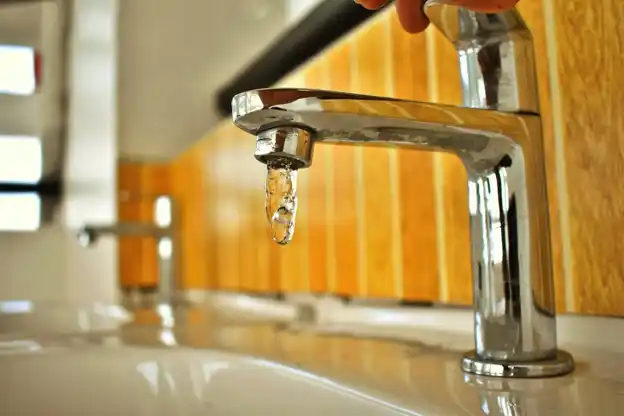
Photo courtesy of Pexels
Landscaping plans usually start above ground, including which trees frame the entryway, where the flower beds sit, and how the lawn slopes toward the street. However, many homeowners don’t consider the intricate pipe network running beneath all of it. A design that looks finished on paper can still put a mature tree’s root system on a collision course with a decades-old sewer line.
To avoid any issues, it’s important to plan around the pipes the same way an architect plans around load-bearing walls. This way, the finished landscape and the plumbing beneath it can coexist for the long term. Here are five steps you can take to protect your underground plumbing.
1. Map the Underground Utility Lines First
Before any tree planting commences, it’s vital to locate where the sewer lateral, water service, and any septic lines are running. Most municipalities and utility companies will mark these locations at no cost, and a plumber can confirm the depth and material of the home’s own lateral line. A design that looks balanced on a site plan can place a tree’s future root zone directly over a pipe, so it’s very important not to skip this step.
2. Match Tree Species to the Site
Species such as willows, poplars, and silver maples grow fast and send out aggressive, water-seeking root systems, which makes them a poor match for small lots with shallow sewer lines. On the other hand, slower-growing, deep-taprooted species are usually a safer fit near underground infrastructure.
A local extension office, such as North Carolina State University’s cooperative extension, can recommend species suited to a given climate and lot size. Spacing also matters as much as species selection. A general rule is to keep large shade trees at least 10 feet from any sewer lateral, and further still for species known to be aggressive.
3. Understand How Roots Reach the Pipes
Tree roots grow toward any combination of water and nutrients available. Once a root finds an opening, it thickens over time, and the pipe’s flow narrows along with it. An aging clay or cast iron pipe with a hairline crack or a loosened joint offers exactly that.
Research from the U.S. Department of Agriculture on root intrusion in sewer systems points to old joints, shallow burial depth, and small pipe diameter as the conditions that let this happen, and notes that root intrusion is tied to more than 50% of blockages in aging pipe networks. A licensed plumber can walk a homeowner through the causes of sewer line backups specific to a given property, including pipe age and material, before a landscape plan is finalized.
4. Install Root Barriers Where Space Is Tight
In small lots, a physical root barrier can redirect growth downward and away from utility trenches instead of toward them. These panels get installed during initial landscaping, not after a problem appears, which is why they belong in the design phase rather than the repair budget.
Barriers work best paired with species selection rather than as a substitute for it. A fast-growing, aggressive tree planted right against a barrier will simply push harder against whatever stands in its way.
5. Grade the Yard to Keep Water Moving Away From Pipes
Standing water near a building’s foundation or sewer line softens soil and can accelerate pipe deterioration over years. Grade the yard so water sheds away from the home, and away from any known utility trench. This reduces the moisture that draws roots toward pipes. A landscape architect can build this grading into the overall design rather than treating drainage as an afterthought once planting is complete.
Endnote
Optimal landscape design needs to account for what sits below the surface just as much as what grows above it. Planning tree placement, species, and drainage around a home’s existing pipe network keeps both the yard and the plumbing intact for decades.

Photo by Timur Shakerzianov on Unsplash
Comments on this guide to 5 landscape design choices to protect home underground plumbing article are welcome.
Home Plumbers
Property Plumbers Posts
Smart plumbing design services
How plumbing factors into your new home build
Tips for hiring a commercial plumber
+++
Building
Residential Property
Comments / photos for the 5 landscape design choices to protect home underground plumbing advice guide page welcome.


