Property Flooring: Beautiful, Durable, Code-Ready floors
post updated 25 September 2026
25 September 2025
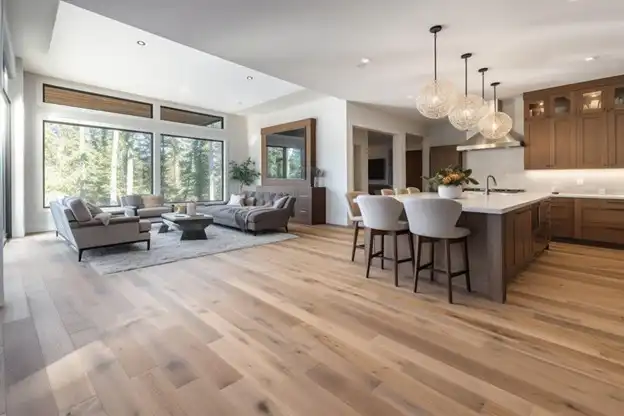
Flooring That Performs How Architects Can Specify Beautiful, Durable, Code-Ready Assemblies
Flooring is one of the most used and abused surfaces in any building. It has to deliver aesthetics, comfort, acoustics, hygiene, slip resistance, fire performance, and durability while staying on budget and surviving maintenance realities. Getting all of that right is less about picking a product and more about assembling a system: substrate, moisture control, underlayment, finish floor, transitions, and detailing at edges and penetrations. This guide distills field-tested practices architects can apply across residential and light-commercial projects so floors look great on day one and still perform in year ten.
Six Design Goals to Align Before You Specify
- Occupancy and traffic: Who’s using the space, in what footwear, and how often? A boutique office lobby, a multifamily corridor, and an ICU have very different abrasion, indentation, and cleaning profiles.
- Moisture and substrate risk: What’s the slab age and moisture history? Below-grade spaces, new construction on fast schedules, and retrofits over old slabs need explicit moisture testing and mitigation.
- Acoustics and neighbors: Multifamily and mixed-use projects live or die by footfall noise. Plan for IIC/ΔIIC with underlayments and ceiling assemblies, not just a finish floor.
- Thermal comfort and radiant heat: If you have radiant, make sure the finish is thermally compatible and the assembly can handle expansion without telegraphing joints.
- Safety and accessibility: Wet thresholds, kitchens, and exterior-adjacent entries need high wet-DCOF surfaces and ADA-compliant transitions.
- Lifecycle and serviceability: Balance upfront cost against refinishing, tile replacement, or plank repairs. Write replacement into the spec so maintenance isn’t improvisation.
Material Guide: Selecting by Performance, Not Just Look
Porcelain and Ceramic Tile
Why it works: extremely durable, inert, easy to sanitize, and excellent with radiant.
Where it shines: entries, kitchens, baths, mudrooms, pet zones, and high-traffic public areas.
What to watch: specify appropriate wet dynamic coefficient of friction (DCOF) per ANSI A326.3 for wet areas; plan movement joints per TCNA EJ171; match mortar and setting materials to substrate conditions; use crack-isolation or uncoupling where slabs are cracked or young.
Engineered Wood (Site-Finished or Factory-Finished)
Why Engineered Wood works: architectural warmth with better dimensional stability than solid hardwood.
Where Engineered Wood shines: living spaces and bedrooms in conditioned, above-grade environments; compatible with radiant when the product allows.
What to watch with Engineered Wood: align species/hardness to traffic; control indoor RH (often ~35–55%) to prevent gapping and cupping; detail expansion gaps and transition profiles; avoid below-grade unless the manufacturer explicitly allows.
Luxury Vinyl Tile/Plank (LVT/LVP) and Rigid Core (SPC/WPC)
Why Luxury Vinyl Tile/Plank and Rigid Core works: resilient, quiet underfoot, highly water-tolerant, broad aesthetic range, forgiving over imperfect substrates.
Where Luxury Vinyl Tile/Plank and Rigid Core shines: multifamily units, healthcare support spaces, education, basements, and light commercial.
What to watch with Luxury Vinyl Tile/Plank and Rigid Core: confirm compatibility with rolling loads and heavy furniture; verify indentation resistance; follow adhesive and acclimation requirements; where slab moisture is elevated, use manufacturer-approved moisture mitigation and adhesives.
Resilient Sheet and Rubber
Why Resilient Sheet and Rubber works: seamless hygiene, excellent under rolling loads, broad colorways, and good acoustics.
Where Resilient Sheet and Rubber shines: healthcare, education, labs, corridors.
What to watch with Resilient Sheet and Rubber: substrate flatness tolerances are tight; plan professional substrate prep; specify heat-welded seams where sanitation is critical.
Polished Concrete and Terrazzo
Why Polished Concrete and Terrazzo works: outstanding durability and longevity with minimal replacement waste; visually clean and highly reflective.
Where Polished Concrete and Terrazzo shines: galleries, lobbies, retail, and modern residential.
What to watch with Polished Concrete and Terrazzo: slip resistance under wet conditions; detail entrance matting to control grit; include densifier and guard specifications; coordinate sawcut layout with architectural modules; address acoustics because hard surfaces amplify footfall and airborne noise.
Natural Stone
Why it works: timeless aesthetics and longevity.
Where it shines: feature spaces, premium bathrooms, and exterior-to-interior continuities.
What to watch: select stone by absorption and strength for the setting; specify finishes for slip resistance; ensure appropriate sealers and a maintenance plan; detail deflection and support, stone is less forgiving than ceramic tile.
Cork, Bamboo, and Specialty Materials
Why they work: sustainability narratives and unique tactile qualities.
Where they shine: libraries, bedrooms, quiet zones.
What to watch: ultraviolet stability, indentation, and moisture sensitivity; align manufacturer instructions with the project’s humidity and cleaning protocols.
Performance Specs Architects Should Explicitly Call Out
- Slip resistance: use wet DCOF values aligned with ANSI A326.3 for tile; pick resilient surfaces with published wet slip data for kitchens, baths, and entries.
- Fire and smoke: specify critical radiant flux (e.g., ASTM E648) appropriate for egress corridors and smoke density where applicable.
- Acoustics: for multifamily, require minimum IIC/ΔIIC performance measured per ASTM standards with the proposed assembly (not generic lab numbers).
- Indoor air quality: call for low-emitting adhesives and floors (e.g., FloorScore or GREENGUARD Gold) and VOC-compliant adhesives per local regulations.
- Environmental disclosures: where LEED v4/v4.1 or owner ESG goals apply, request product-specific EPDs and ingredient disclosures (HPD or Declare).
- Static control where needed: in electronics labs or data spaces, specify ESD-rated flooring systems with documented conductivity and maintenance protocols.
Subfloor, Moisture, and Prep: The Invisible Work That Determines Success
Most flooring failures trace back to substrate and moisture, not the finish product. Write these into the spec and enforce them in submittals:
- Moisture testing: require in-situ RH testing (ASTM F2170) for concrete, with thresholds matching the adhesive and floor manufacturer. Calcium chloride (F1869) may be reported, but RH is more predictive in modern slabs.
- Flatness and levelness: define tolerances by floor type, resilient and large-format tile demand tighter flatness than carpet. Budget for skim coat/patch or self-leveling underlayment where needed.
- Crack and joint management: use crack-isolation membranes for non-structural cracks; honor control joints unless the system is designed to bridge them; specify movement joints for tile per TCNA details.
- Moisture mitigation: for new or wet slabs, specify epoxy or cementitious mitigation systems tested with the intended adhesive/flooring; coordinate with schedule so cure times are realistic.
- Primers and adhesives: pair the exact adhesive to the floor and substrate conditions; submittals should show manufacturer cross-compatibility, not just “or equal.”
- Wood subfloors: confirm deflection limits (e.g., L/360 tile, L/480 stone), add blocking where loads concentrate, and verify fastener schedules and underlayment grade.
Detailing That Prevents Callbacks
- Transitions: meet ADA guidance, vertical changes up to 1/4 inch are acceptable; between 1/4 and 1/2 inch require a 1:2 bevel; anything greater needs a ramp (often 1:12). Choose profiles that tolerate wheel traffic.
- Wet rooms: include sloped substrates to drains, waterproofing behind tile (not just grout sealers), and exterior-vented exhaust strategies to manage humidity.
- Radiant heat: confirm maximum surface temperatures per floor manufacturer (commonly ~85°F/29°C) and sequence warm-up after installation; specify flexible transition profiles to accommodate movement.
- Stairs and nosings: select profiles that meet slip-resistance targets and visual contrast requirements; coordinate mitered corners and returns so the detail reads intentionally.
- Entrances: make entrance matting part of the flooring package; grit kept outside will extend service life more than any topcoat.
- Sun-exposed zones: at south- and west-facing glazing, manage heat gain and UV; specify floor products with thermal stability and sunscreen for finishes prone to fading.
Sustainability and Health Without Greenwash
Owners increasingly expect material transparency and low-emitting interiors. A practical approach is to:
- Shortlist by emissions first (FloorScore/Greenguard Gold) so adhesives and floors don’t compromise IAQ.
- Request EPDs to compare embodied carbon within a material class (e.g., LVT vs. LVT).
- Use HPDs/Declare to avoid regrettable additives where occupants have sensitivity concerns.
- Design for durability and reparability—a 40-year engineered wood with refinish cycles may outperform a 10-year replacement cycle on carbon and cost.
Budgeting by Lifecycle, Not Just Bid Day
Upfront cost is only one variable. A more accurate picture combines material, installation, substrate prep, and 10-year maintenance:
- Tile and stone: higher install cost and substrate prep, low routine maintenance, long life; repairs require skilled labor.
- Engineered wood: moderate install, periodic refinishing if site-finished, plank replacements for factory-finished; comfort and value add in residential.
- LVT/SPC: lower install cost, fast schedule, simple maintenance; watch indentation and heat exposure at glazed facades.
- Polished concrete: significant prep but minimal replacement; budget periodic re-guarding and slip management; acoustics may require area rugs or ceiling treatments.
Six Common Mistakes to Avoid
- Skipping moisture testing because “the slab looks dry.”
- Treating acoustic underlayment as optional in multifamily (it isn’t).
- Using glossy, low-DCOF surfaces in wet areas or on stairs.
- Assuming any adhesive will work (adhesive drives both performance and warranty).
- Ignoring movement joints in large tiled fields.
- Leaving transitions to the installer instead of detailing them in the drawings.
Specification Tips the Field Appreciates
- Name the exact product, wear layer, thickness, and edge profile; allow equals only with matching performance data and mockups.
- Require a qualified installer with manufacturer certification where available.
- Ask for a small attic stock and a maintenance data sheet package at turnover.
- Write closeout testing or mockups into the schedule so quality is visible, not assumed.
From the Field
Much of what’s here reflects on-site lessons learned building and remodeling across mixed climates; for example, coordinating slab moisture mitigation, acoustic underlayments, and ADA-clean transitions together avoids most post-occupancy complaints. A playbook my team at Patriot Property Pros flooring experts has refined through many multifamily and custom residential projects.
Conclusion
Great flooring specifications are systems thinking: substrate, moisture, acoustics, safety, thermal comfort, sustainability, and service life all have to be resolved on paper before a product is ordered. When architects set those parameters early and enforce them with testing, submittals, and details, projects get surfaces that feel as good as they look, hold up to real users, and simplify maintenance for years.
Comments on this guide to Property flooring: beautiful, durable, code-ready floors article are welcome.
Flooring
Building Flooring Style
Choose the Best Flooring for Your Home
The Versatility of Hybrid and Laminate Flooring
Installing and looking after laminate flooring
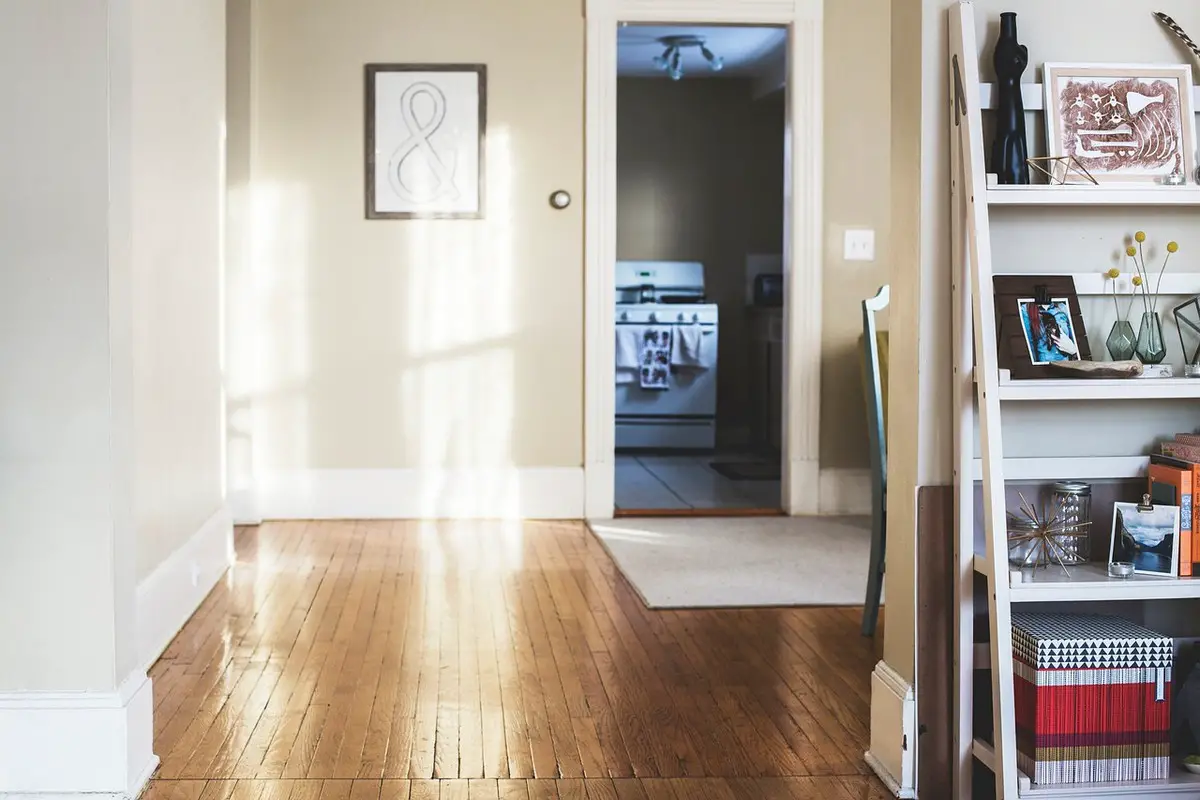
image source : pixabay.com
++
Building Articles
Comments / photos for the Property flooring: beautiful, durable, code-ready floors advice page welcome