
Why Proper Window Installation Is Useful For Energy Savings
19 December 2025
Proper window installation is one of those upgrades that quietly pays you back. It limits drafts, controls moisture, and helps your heating and cooling do less work. When frames, shims, and seals are set right, your house holds a steady temperature with fewer hot and cold spots.
Small gaps and sloppy sealing look harmless, but they act like tiny open doors. Warm or cool air slips out, outside air sneaks in, and your HVAC has to run longer. A careful install closes those doors and turns your windows into true parts of the insulation system.
What Proper Installation Actually Does
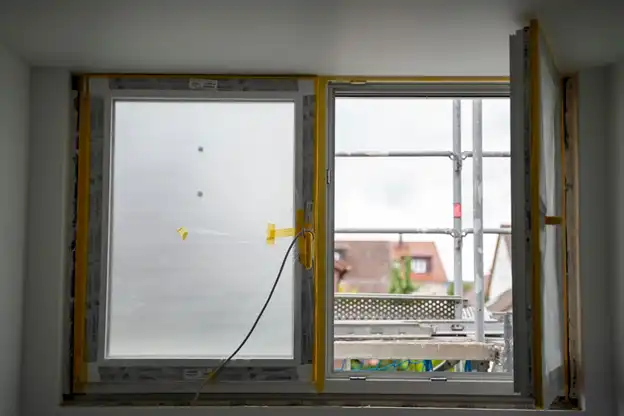
A good install locks the window to the wall so air and water stay outside, and conditioned air stays in. Many homes still rely on quick fixes, but skilled double glazing installers align frames, set the sill level, and compress the weather seals so the unit performs as designed. With the rough opening prepped, flashing layered, and gaps backfilled, the window becomes a tight, durable barrier.
The frame is squared, so locks meet cleanly and sashes close with uniform pressure. Interior air stays stable because the insulation around the frame is continuous. Over the years, that steadiness reduces wear on HVAC parts and lowers service calls.
How Windows Lose Energy In The First Place
Heat moves through glass, frames, and the air that leaks around them. If the original window was set out of square or the perimeter was left unsealed, you get hidden channels for air to flow. Each tiny pathway adds up.
A federal energy resource notes that heat gain and loss through windows can account for roughly a quarter to a third of home heating and cooling use, which shows how much performance hinges on the opening itself. That range is not just about glass type or ratings. It also reflects whether the unit was installed to stop air movement at the edges.
The Role Of Materials And Sealing
Installers choose shims that will not compress or rot, so the frame stays straight under load. They place them at hinge points to support moving sashes. This keeps gaps even across seasons.
Around the frame, low-expansion foam or dense pack insulation fills voids without bowing the jambs. Then, flexible flashing and sealant create a water-shedding path that moves runoff away. Done together, these steps reduce thermal bridging and block wind that steals conditioned air.
Measuring A Good Install
Performance labels list U-factor, solar heat gain coefficient, and air leakage. While glass ratings come from the factory, actual air leakage depends on how the window meets the wall. A neat bead of sealant on the outside is not enough if the interior air barrier is missing.
After installation, a blower door test can confirm the tightness of the envelope. If rooms feel less drafty and the HVAC cycles more evenly, that is the comfort side of the same improvement. Bills typically follow as the system runs shorter, steadier cycles.
Climate And Orientation Considerations
Orientation matters because the sun, wind, and rain do not hit every wall the same. South and west walls may need deeper shades or low-E glass that limits heat gain. North walls may feel colder and reward tighter seals and insulated frames.
When planning an install, match details to exposure:
- Add drip caps and head flashing where wind-driven rain is common.
- Use backer rod plus high-quality sealant to manage joint movement.
- Consider trickle vents or planned ventilation, rather than leaving accidental leaks.
A small design tweak can prevent big future losses. For example, a sloped sill pan channels water out so the insulation does not get wet and lose its R-value. Dry, still air is the best insulator, and a well-built sill keeps it that way.
When To Repair Vs Replace
Not every drafty window needs a full swap. If the frame is sound and the sash still closes true, targeted air sealing and weatherstripping can help. Replacing hardened glazing putty or snapped locks also brings back pressure against the seals.
Replacement makes sense when the frame is warped, the double pane has failed and fogged, or rot is spreading. In those cases, a new unit with proper flashing and insulation will do more than fix the draft. It will protect the wall cavity from moisture that steals heat.
Hiring And Quality Assurance
Look for installers who measure the rough opening, not just the old sash size. They should discuss sill pans, flashing tapes, and how the interior air barrier connects to the wall. Those details separate cosmetic work from energy-smart work.
Ask how they will verify the fit before sealing. A dry fit, diagonal measurements, and level checks catch problems early. Afterward, request photos of flashing layers and insulation so you know the hidden parts match the visible finish.
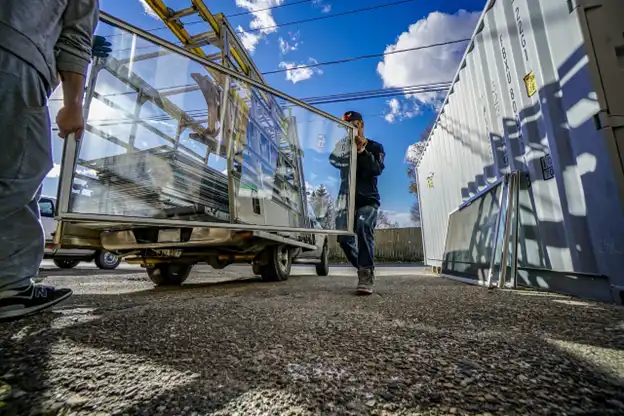
A careful installation turns windows from weak spots into strong points in your home’s envelope. With fewer leaks and better control, your HVAC works less to keep you comfortable. The result is simple and repeatable – a home that feels right at every window.
Comments on this guide to Why Proper Window Installation Is Useful For Energy Savings – home glazing installers article are welcome.
Windows
Windows Posts
Window upgrades that appeal to modern homebuyers

Spot reliable windows and doors contractors
How house window tint reduce energy bills
++
Architecture Designs
Home Designs
Comments / photos for the Proper window installation for energy savings, home glazing advice for homeowners page welcome

