Prevent My Pipes from Freezing in Chicago?
post updated 30 September 2026
30 September 2025
Chicago winters are unforgiving. With temperatures regularly plunging below 20°F and wind chills reaching dangerous lows, homeowners face a recurring threat: frozen pipes. When water inside pipes freezes, it expands and can rupture the pipe, leading to flooding, structural damage, and costly repairs. That’s why it’s critical to take proactive steps, and why having access to an emergency plumber in Chicago is essential when prevention fails.
What Temperature Causes Pipes to Freeze in Chicago?
Pipes begin to freeze when temperatures drop below 32°F, but the real danger starts around 20°F, especially in homes with poor insulation or exposed plumbing. Chicago’s lake-effect weather, combined with sudden cold snaps, creates ideal conditions for pipe freezing. Unheated areas like basements, garages, and crawl spaces are particularly vulnerable.
The city’s older housing stock, especially in neighborhoods like Wicker Park, Lincoln Square, and Rogers Park, often lacks modern insulation. These homes are more susceptible to freezing, making pipe insulation in Chicago a necessary investment before winter arrives.
What Are the Best Ways to Prevent Frozen Pipes?
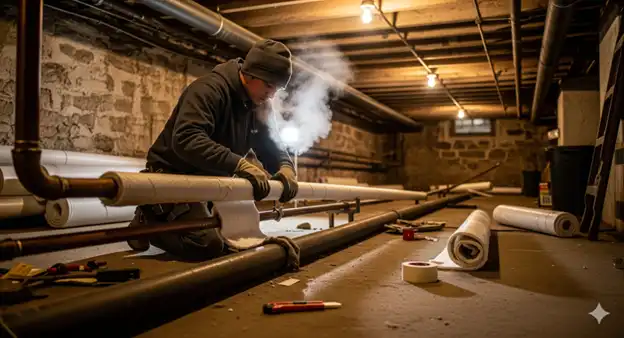
Preventing frozen pipes requires a combination of insulation, heat management, and strategic plumbing practices. Homeowners should start by insulating exposed pipes using foam sleeves or UL-listed heat tape. These materials help maintain pipe temperature and reduce the risk of freezing.
Sealing air leaks around windows, doors, and wall penetrations is another effective strategy. Cold air infiltration can drop indoor temperatures quickly, especially during overnight hours. Weatherstripping, caulking, and spray foam insulation can help maintain a stable environment.
Maintaining a consistent indoor temperature is also crucial. Experts recommend keeping the thermostat set to at least 55°F, even when away. This ensures that interior pipes remain above freezing. On extremely cold nights, opening cabinet doors under sinks and allowing faucets to drip can keep water moving and prevent ice formation.
How Do I Know If My Pipes Are at Risk?
Homes with plumbing in exterior walls, crawl spaces, or unheated garages are at higher risk. If you’ve experienced frozen pipes before, your home may have systemic vulnerabilities. Signs of potential freezing include reduced water flow, visible frost on pipes, and strange odors from drains.
If you suspect your pipes are frozen, it’s important to act quickly. Turn on affected faucets to relieve pressure and apply gentle heat using a hair dryer or heating pad. Never use open flames, as this can damage pipes and create fire hazards. If thawing efforts fail, contact an emergency plumber in Chicago to avoid a rupture.
What Should I Do If My Pipes Freeze?
If a pipe freezes, leave the faucet open to allow water to flow once thawing begins. Apply heat starting near the faucet and working toward the frozen section. If the pipe is inaccessible or located behind walls, professional help may be required.
Frozen pipes can crack and leak even after thawing, so it’s important to inspect the area thoroughly. Water stains, mold growth, and unusual sounds may indicate hidden damage. In such cases, scheduling a plumbing inspection is recommended to prevent future issues.
For homeowners in multi-unit buildings, coordinating with property management is essential. Shared plumbing systems can complicate thawing and repair efforts, especially during peak winter months.
How Can I Winterize My Plumbing System?
Winterizing your plumbing system involves preparing both interior and exterior components. Start by draining outdoor hose bibs and disconnecting garden hoses. Leaving hoses attached can cause water to freeze and back up into indoor pipes. Cover spigots with insulating caps for added protection.
Inside the home, inspect attics, basements, and crawl spaces for exposed pipes. Apply insulation and seal any cracks or gaps. Consider installing smart thermostats and leak detectors to monitor temperature and water flow remotely.
If your home has a history of frozen pipes, schedule a professional winterization service. Plumbers can assess your system, recommend upgrades, and install preventive measures like heat cables and pipe sleeves. These winter plumbing tips are especially valuable in older Chicago homes.
What Role Does an Emergency Plumber Play in Prevention?
While prevention is key, emergencies still happen. An emergency plumber in Chicago provides rapid response when pipes freeze or burst. They can locate the affected area, perform emergency pipe thawing, and repair damage before it escalates.
Plumbers also offer preventive services, including insulation installation, leak detection, and system upgrades. Their expertise ensures that your plumbing system is prepared for the harshest conditions. For homeowners seeking peace of mind, having a trusted plumber on call is a smart investment.
Many residents rely on Emergency Plumber Chicago for timely service and expert care. Their team understands the unique challenges of Chicago winters and offers solutions tailored to each home’s needs.
Conclusion
Frozen pipes are a serious threat during Chicago’s brutal winters. Prevention requires planning, insulation, and awareness of your home’s vulnerabilities. From sealing drafts to installing heat tape, every step counts toward protecting your plumbing system. And when prevention isn’t enough, having access to an emergency plumber in Chicago ensures that help is just a call away.
If you’re ready to winterize your home or need emergency pipe thawing, Bethke Plumbing offers expert service tailored to Chicago’s unique climate. Their team is committed to keeping your home safe, dry, and protected all season long.
For more information, visit Bethke Plumbing.
Frequently Asked Questions (FAQs) About Preventing Frozen Pipes in Chicago
- Can I use antifreeze in my plumbing system to prevent freezing? No. Antifreeze is not recommended for residential plumbing unless specified by the manufacturer. It can be toxic and damage your pipes.
- Should I leave my faucets dripping all winter? Only during extreme cold spells. A slow drip keeps water moving and reduces freezing risk in exposed pipes.
- How do I insulate pipes in tight spaces? Use foam pipe sleeves or heat tape. For hard-to-reach areas, consult a plumber for custom insulation solutions.
- Is it safe to use a space heater near frozen pipes? Yes, but with caution. Keep the heater away from flammable materials and never leave it unattended.
- What’s the best time to winterize my plumbing? Early fall is ideal. This gives you time to inspect, insulate, and schedule professional services before temperatures drop.
Comments on this guide to How Can I Prevent My Pipes from Freezing in Chicago? article are welcome.
Home Plumber
Plumber Articles
Importance of hiring commercial plumbing services
Practical tips for architects when designing plumbing systems
How to Know If a Plumber is Good
++
Buildings
Residential Architecture Posts
Comments / photos for the How Can I Prevent My Pipes from Freezing in Chicago? advice page welcome