
How Poor Building Design Can Lead to Housing Disrepair – and How to Avoid It as a Landlord
post updated 2 October 2026
2 October 2025
Disrepair issues aren’t just about broken things. They’re often rooted in how a property was built, laid out, or modified over time. Engaging a housing disrepair solicitor can ensure you’re able to avoid legal pitfalls, but there are several proactive steps you can take personally.
Whether you own a single rental flat or a portfolio of properties, understanding how design decisions affect long-term durability can save you serious time, money, and stress.
In this article, we’ll explore how poor architectural planning leads to common disrepair problems — and what you can do about it.

The Design–Disrepair Connection
Good design isn’t just about style. It’s about:
- Ventilation that prevents mould
- Layouts that promote airflow and sunlight
- Roofing and plumbing systems that age well
- Materials that withstand local weather
When any of these are lacking, problems crop up faster — and tenants suffer the consequences.
- Poor Ventilation = Damp and Mould
One of the biggest design issues is insufficient airflow. In older homes, especially flats with single-aspect windows or sealed-up fireplaces, moisture gets trapped.
Consequences include:
- Mould in corners and behind furniture
- Peeling paint or damp patches
- Respiratory issues for tenants
Design solutions:
- Ensure extractor fans in kitchens and bathrooms are working and venting externally
- Install trickle vents or upgrade window systems
- Use breathable paints and finishes that help manage condensation
- Leaky Roofs and Flat Extensions
Extensions and loft conversions often create awkward roof angles or flat surfaces. If poorly designed, these become prone to pooling water and eventual leaks.
Signs to look for:
- Water stains on ceilings
- Damp patches in corners
- Tenants reporting recurring leaks during rain
Design fixes:
- Ensure adequate pitch on flat roofs
- Use high-quality membrane materials
- Regularly inspect flashing, joints, and guttering
According to the Energy Saving Trust, poorly maintained or designed roofs also leak heat — another reason to get it right.
- Plumbing Layouts That Invite Problems
Sometimes it’s not that a pipe is broken — it’s that it was never sensibly placed. Long pipe runs without insulation, shared waste stacks between flats, or boxed-in plumbing can lead to issues.
Tenant complaints might include:
- Noisy or “gurgling” drains
- Bad smells from sinks
- Slow drainage or leaks in walls
Design improvements:
- Use sound-insulated pipework
- Keep access points visible and reachable
- Plan plumbing runs to avoid sharp angles or bottlenecks
Future-proofing design helps avoid expensive emergencies.
- Light and Layout
Poor natural light or awkward room layouts can make even well-maintained properties feel oppressive. This affects:
- Tenant satisfaction and retention
- Likelihood of overuse (e.g. blocking vents or drying clothes indoors)
- Damp and condensation cycles
Architectural upgrades to consider:
- Light tubes or sun tunnels in dark areas
- Reconfiguring layouts to improve airflow
- Adding internal windows or glazed doors for borrowed light
Small layout tweaks can transform tenant wellbeing and reduce complaints.
- Accessibility and Wear Over Time
Stairs without handrails, cramped hallways, or inaccessible bathrooms can make properties unfit for elderly or disabled tenants. Over time, these areas also suffer more wear and tear.
Prevention ideas:
- Install easy-grip railings and wide doorways
- Use durable, non-slip flooring in high-traffic areas
- Choose robust kitchen and bathroom fittings
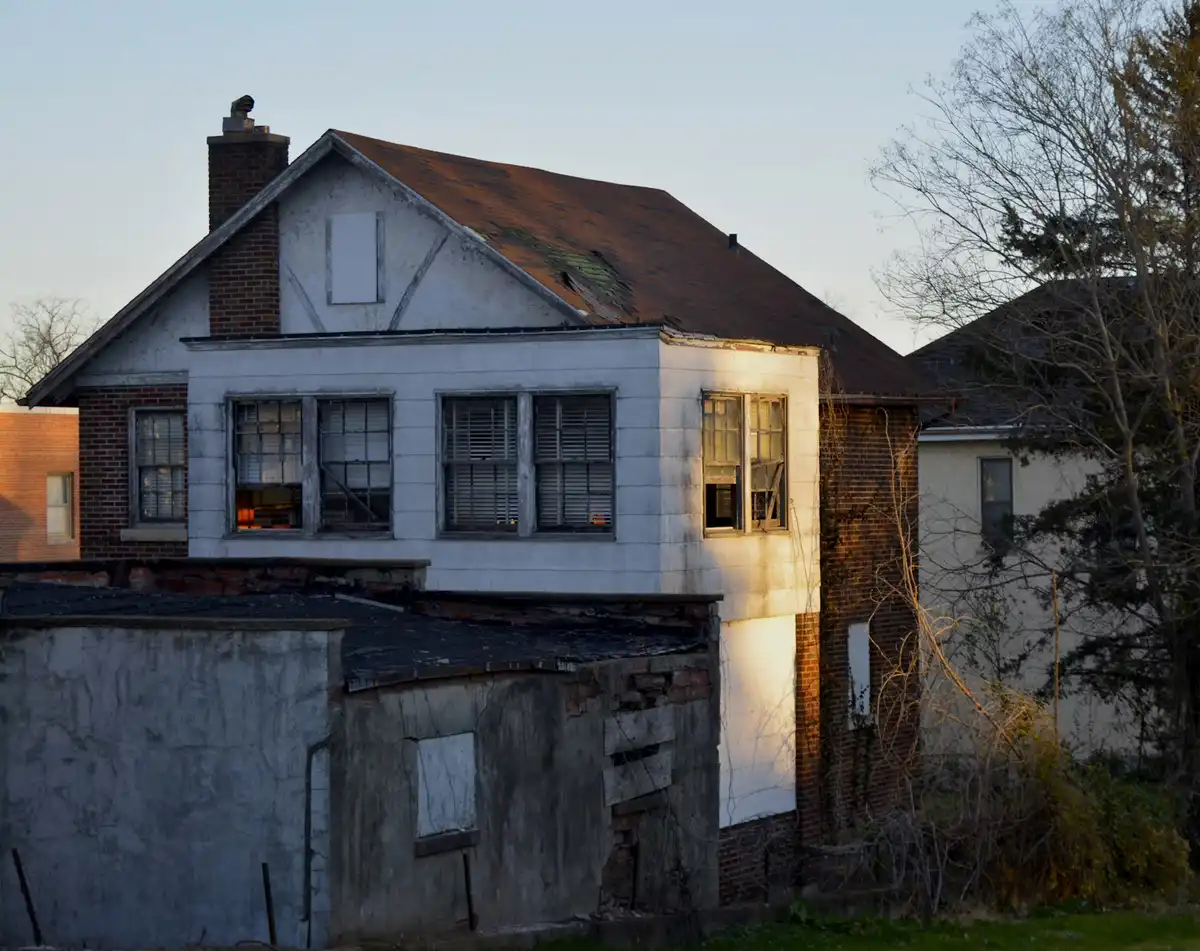
Smart Design = Happier Tenants
As a landlord, you don’t have to be an architect — but understanding how design choices affect longevity is part of good asset management.
Well-designed homes:
- Are easier to maintain
- Keep tenants healthier and more satisfied
- Attract better reviews and fewer disputes
And if issues do arise, working with a solicitor can help resolve matters fairly and quickly.
Prevention really is better than cure — and in property management, that starts with how a home is built and improved.
Legal Disclaimer: This article is for general information only and does not constitute legal advice. For assistance with tenant disputes or housing standards, consult a qualified housing solicitor.
Comments on this How Poor Building Design Can Lead to Housing Disrepair – and How to Avoid It as a Landlord article are welcome.
Buying Property
Buying Property Posts
Pro managerial help preserves a landlord’s property
image source : SevenStorm JUHASZIMRUS via Pexels
5 step guide on how to find perfect new home
What are main reasons to invest in income property
++
Building Articles
Contemporary Property Articles – architectural selection below:
Comments / photos for the How Poor Building Design Can Lead to Housing Disrepair – and How to Avoid It as a Landlord page welcome


