What’s Involved in Installing a New Hot Water System
20 January 2026
At the time you need to install a hot water system, the process involves more than just connecting pipes and turning on the power. Hot water systems typically last 6-15 years. The system’s maximum lifespan heavily depends on proper installation.
The installation process needs thorough planning. A replacement system costs between $1,500-$3,800, which represents a major investment for most homes. Each system type has specific setup needs. Electric systems demand adequate power supply. Gas systems need proper connections and licenced gas fitters must handle the installation. A basic replacement takes 2-4 hours, but complex setups need extra time. Many hot water systems include warranties that stay valid only with professional installation.
Planning Before Installation
Planning ahead with an Ipswich plumber before you install a hot water system is vital to get the best performance and meet all regulations. You’ll save money and cut down greenhouse gas emissions by taking time to look into your options.
Check local regulations and permits
You might need specific permits based on where you live and what type of system you choose. A plumbing permit is all you need for basic replacements like switching one electric system for another – your licenced plumber will get this for you. But you’ll need a Development Application (DA) from your local council if you want to change system types or move the unit. Your installation must follow Australian Standard AS/NZS 3500.4:2018.
Assess household hot water needs
You need to know your hot water usage patterns to pick the right system. Here’s what to think over:
- How many people live in your home (each person uses about 50 litres of hot water daily)
- When people shower (morning, evening, or spread throughout the day)
- Do your washing machine and dishwasher use hot water
- Times when everyone needs hot water at once
Note that teens use more hot water than adults and younger kids. It’s best to size your system based on your home’s size rather than who lives there now, since occupants might change during the system’s life.
Choose the right system type and size
You can pick from solar, heat pump, gas, and electric systems. Solar systems work out cheapest to run and are most efficient for most homes. Heat pumps use 60-75% less power than standard electric systems.
The size you need matches your household size. Small homes with 1-2 people can use continuous flow or small gas storage systems. Medium households of 3-4 people do well with gas systems or heat pumps. Large families of 5 or more might need multiple continuous flow systems or bigger heat pumps.
Select a suitable installation location
Where you put your system makes a big difference to how well it works. Here’s what to look at:
- How close it is to kitchens and bathrooms to cut heat loss and wait times
- Good airflow, especially for gas and heat pump systems
- Enough space to do maintenance
- Meeting the manufacturer’s safety rules
- A stable spot to keep water temperature steady
Your system should be close to where you use hot water to avoid losing heat through pipes. Make sure licenced contractors do all electrical work and get your compliance certificates.
Step-by-Step Hot Water System Installation
Installing a hot water system needs careful steps and safety awareness. A straightforward replacement takes 2-4 hours, but complex setups might need more time.
1. Prepare the area and tools
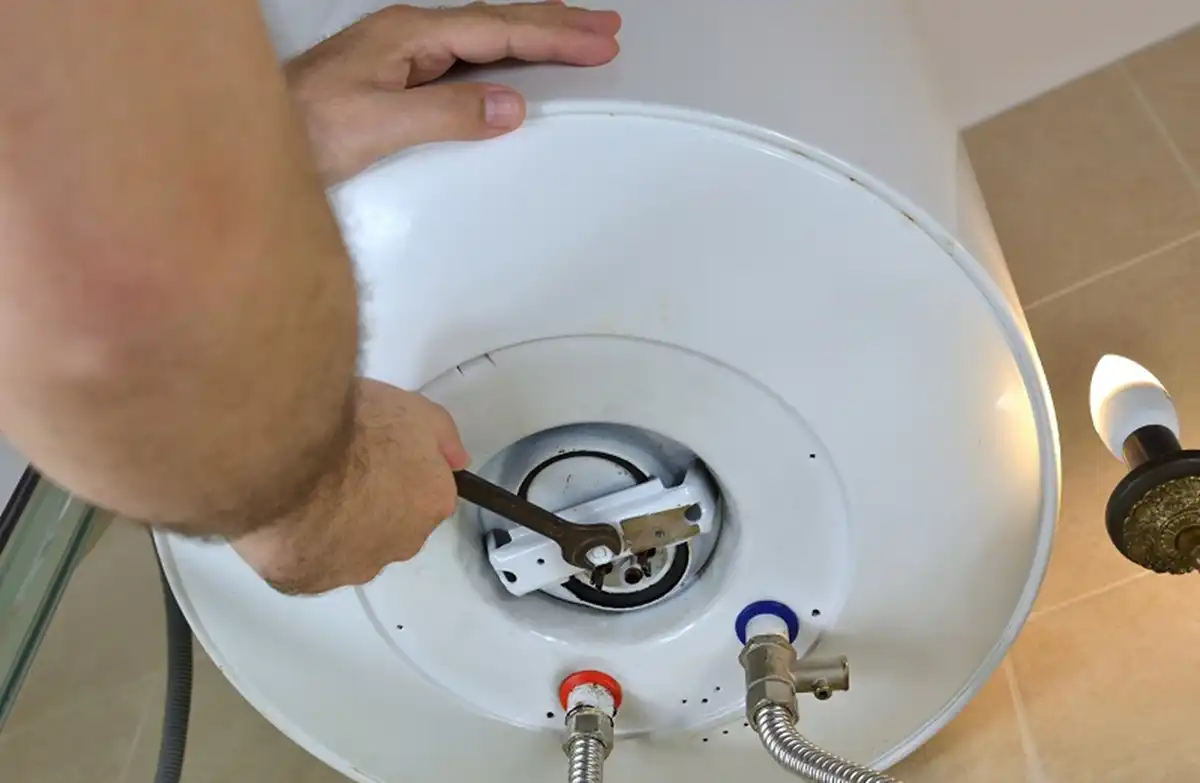
You need to disconnect all energy sources safely. Turn off the water supply and shut off electricity at the circuit breaker or close the gas valve, depending on your system type. If you’re replacing an old unit, drain any remaining water from the existing system. You’ll need pipe wrenches, adjustable wrenches, Teflon tape, pipe cutters, and safety gear to do the installation. Make sure you have enough workspace and ventilation in the installation area.
2. Position and secure the unit
Place the new system in its designated spot after preparation. The unit needs a level surface – outdoor installations work best with a concrete base, while indoor ones need a stable platform. Floor-mounted systems need a base at least 75mm thick for bonded brick or concrete, or 50mm for pre-cast concrete. Indoor units should have a safe tray underneath to protect against water damage from possible leaks.
3. Connect water supply lines
Connect the cold water inlet and hot water outlet pipes after positioning. Use Teflon tape to create watertight connections. The cold water line needs a non-return valve, and pipe sizes should match correctly – your cold water line should be the same size or larger than the hot water line.
4. Connect gas or electrical components
Licenced electricians must handle all electrical connections. Gas connections need a licenced gas fitter to ensure proper pressure and prevent leaks. Electric systems require an electrician to install circuit protection, including an RCD (residual current device).
5. Install pressure relief and shut-off valves
Every hot water system needs a temperature and pressure relief valve for safety. The cold water line should have an expansion control valve, and a shut-off valve should sit next to the water heater for easy maintenance access.
6. Fill, test, and commission the system
Open the cold water supply to fill the system and force air out through open hot water taps. Look for leaks in all connections before turning on the power or gas supply. Test the water temperature, check pressure, and make sure all safety mechanisms work properly to commission the system.
When to Hire a Professional Installer
DIY projects are appealing, but hot water system installation just needs professional expertise. You should know the right time to call experts to avoid getting pricey mistakes and potential risks.
Complexity of system type (e.g. solar, heat pump)
Solar hot water systems come with complex installation requirements, so you’ll want highly experienced and accredited installers. Heat pumps have intricate internal components that make quality design and manufacturing a vital part. Solar installations take more time than traditional systems because of their complexity. Your roof might also need assessment to check if it needs reinforcement.
Legal requirements for gas and electrical work
The law in many regions allows only licenced professionals to install hot water systems. Australian regulations permit only licenced plumbers to install these systems. The electrical components require an A-class electrician under a registered electrical contractor to handle wiring and equipment installation. Gas systems also need certified gas fitters to maintain safety.
Warranty and insurance considerations
DIY attempts void manufacturer warranties, so professional installation keeps them intact. Most warranties have specific conditions about proper installation. You become responsible for all repair costs without valid warranties if problems arise. Home insurance policies might also reject claims for damages from improper installations.
Avoiding safety risks and installation errors
Professional installers use strict safety protocols to prevent dangerous situations like gas leaks or electrical hazards. They make sure your system has proper drainage setup, electrical compliance, ventilation clearance, and the right foundation preparation. The compliant installations also protect your property’s value and prevent legal issues during future sales.
Hot Water System Installation Cost Breakdown
Homeowners need to understand their hot water system’s installation costs to budget well and avoid surprises.
System unit cost by type
The unit’s price varies based on system type. Electric systems are the most affordable at $1,500 to $5,800. Solar systems need the highest investment at $9,300 to $18,600. Gas storage systems cost $2,300 to $16,300, and instantaneous options range from $1,600 to $7,000. Heat pumps cost between $5,100 to $15,800.
Labour and licencing fees
Licenced plumbers charge $160 to $350 per hour, and electricians often ask for higher rates. Companies also add a call-out fee of $140 to $230.
Additional materials and fittings
Valves, connections, and fittings add $120 to $460 to the total cost. Major plumbing modifications can increase costs by $1,200 to $4,700.
Disposal of old system
Old unit removal costs $120 to $350, based on size and access. Most installers include this service in their quotes.
Delivery and access challenges
Delivery fees range from $120 to $460. Difficult access through stairs or narrow passages leads to extra charges.
How long to install hot water system
A simple replacement takes 2 to 4 hours. Gas systems need 3 to 6 hours, while solar installations require a full day or more.
Conclusion
Hot water system installation involves much more than meets the eye. This piece shows that proper planning is the lifeblood of successful installation. Your household needs help determine the right system type and size – whether that’s a solar system, heat pump, gas, or electric unit.
The installation process just needs precision and technical knowledge. Each step must be done right, from preparing the area and positioning the unit to connecting water supplies and installing safety valves. A simple replacement takes 2-4 hours, while complex installations need more time.
Legal requirements make professional installation the work to be done in most cases, despite any DIY interests. Licenced plumbers, electricians, and gas fitters must handle specific parts of the installation. Professionals also preserve manufacturer warranties that become void with DIY attempts.
The cost plays the most important role in hot water system installation. Basic replacements cost between $1,500 to $3,800, though prices vary based on system type. Electric systems cost less at first, while solar systems need a bigger upfront investment but save money over time.
Proper hot water system installation ended up paying off through longer equipment life, better performance, and fewer safety risks. Working with qualified professionals and picking the right system for your needs will give you reliable hot water service for years. This major household investment deserves careful attention every step of the way.
Comments on this guide to What’s Involved in Installing a New Hot Water System article are welcome.
Home Plumbers
Property Plumbers Posts
How emergency plumbers stop structural damage
DIY solutions for common plumbing mishaps
How plumbing factors into your new home build
++
Building
Residential Property
Comments / photos for the New hot water system installation advice guide page welcome.