
Most Common Upgrades Fixer-Uppers Need
18 December 2025
Fixer-uppers attract buyers for many reasons: lower purchase prices, the opportunity to customize, and the satisfaction of transforming a neglected property into a comfortable and valuable home. However, these homes often come with predictable challenges. Years – or decades – of deferred maintenance can leave critical systems outdated, inefficient, or even unsafe.
Understanding the most common upgrades fixer-uppers need helps homeowners prioritize renovations, plan budgets realistically, and avoid unpleasant surprises. From structural concerns to modern comfort improvements, these upgrades are less about luxury and more about making the home functional, safe, and future-ready.
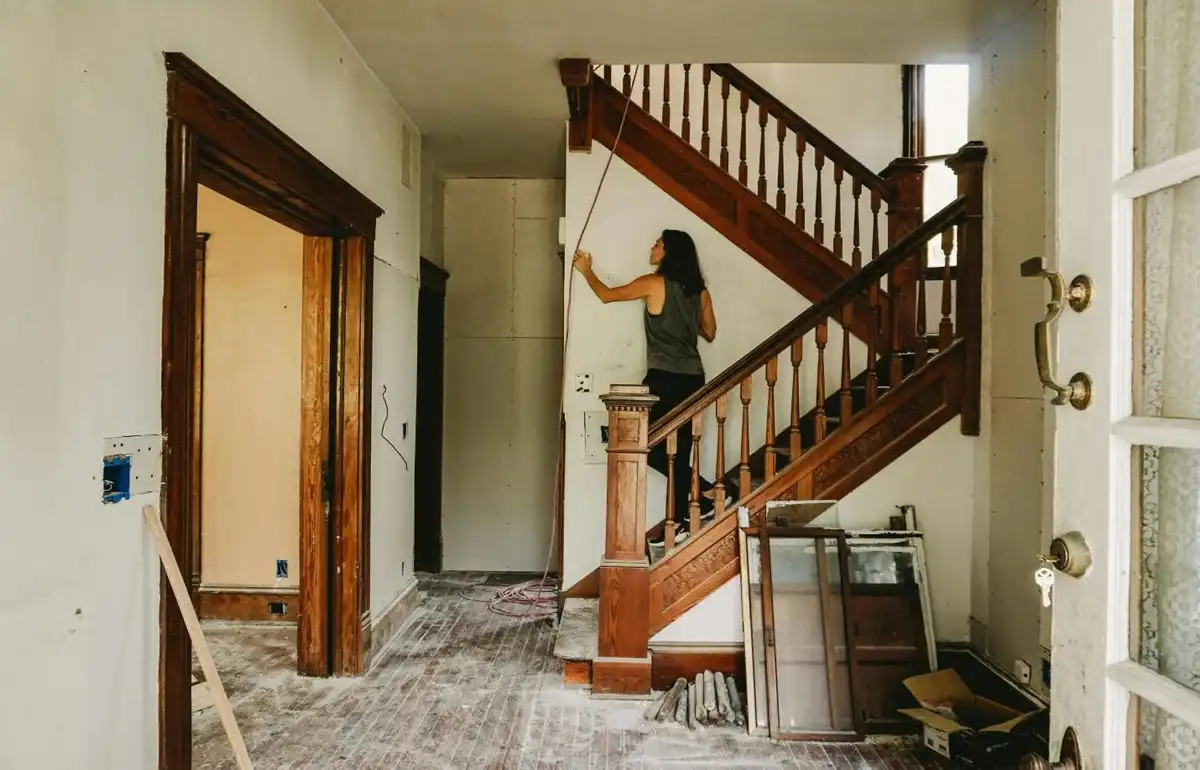
Structural Repairs and Foundation Stabilization
One of the most critical upgrades in any fixer-upper involves addressing structural integrity. Cracks in the foundation, uneven floors, sagging roofs, or sticking doors and windows can all indicate underlying structural problems. These issues often stem from soil movement, water damage, or poor construction practices common in older homes.
While structural repairs may not be visually exciting, they are essential. Reinforcing foundations, repairing load-bearing walls, and replacing compromised beams ensure the house is safe and stable. Without resolving these concerns first, cosmetic upgrades risk being wasted investments that mask deeper, more expensive problems.
Plumbing System Modernization
Outdated plumbing is another common issue in fixer-uppers, especially those built before modern standards. Galvanized steel or lead pipes can corrode, reduce water pressure, and pose health risks.
Leaky fixtures, inefficient water heaters, and poor drainage are also frequent complaints. Upgrading plumbing systems often involves replacing old pipes with copper or PEX, installing modern fixtures, and improving water efficiency. While these upgrades may require opening walls and floors, they prevent costly water damage, reduce maintenance headaches, and ensure the home meets current safety and health expectations.
Roof Replacement and Exterior Envelope Improvements
The roof is a home’s first line of defense against the elements, and in fixer-uppers, it is frequently near the end of its lifespan. Missing shingles, leaks, mold in the attic, or visible sagging are all signs that a roof replacement may be necessary. Alongside the roof, the exterior envelope, including siding, flashing, gutters, and insulation, often requires attention. Improving these components protects the structure from water intrusion, enhances energy efficiency, and improves curb appeal. A solid exterior upgrade not only preserves the home but also immediately increases its market value.
Electrical Safety and Capacity Upgrades
In many fixer-uppers, the electrical system is outdated and insufficient for modern living. Homes built decades ago were not designed to handle today’s appliance loads, smart devices, and home offices. Common problems include outdated wiring, overloaded circuits, ungrounded outlets, and fuse boxes instead of circuit breakers. Fixing and upgrading the electrical system typically involves installing a new breaker panel, rewiring unsafe circuits, adding grounded outlets, and ensuring compliance with current codes. This upgrade is critical not only for convenience but also for safety, as faulty electrical systems are a leading cause of residential fires.
Heating, Cooling, and Energy Efficiency Improvements
Fixer-uppers often suffer from inefficient or obsolete heating and cooling systems. Old furnaces, boilers, or air conditioners can be expensive to operate and unreliable. In some cases, homes may lack central heating or cooling altogether. Upgrading HVAC systems improves comfort, lowers energy bills, and increases resale value. Alongside mechanical upgrades, improving insulation, sealing air leaks, and installing energy-efficient windows can dramatically enhance performance. These improvements create a more consistent indoor climate and reduce the environmental footprint of the home.
Kitchen and Bathroom Renovations
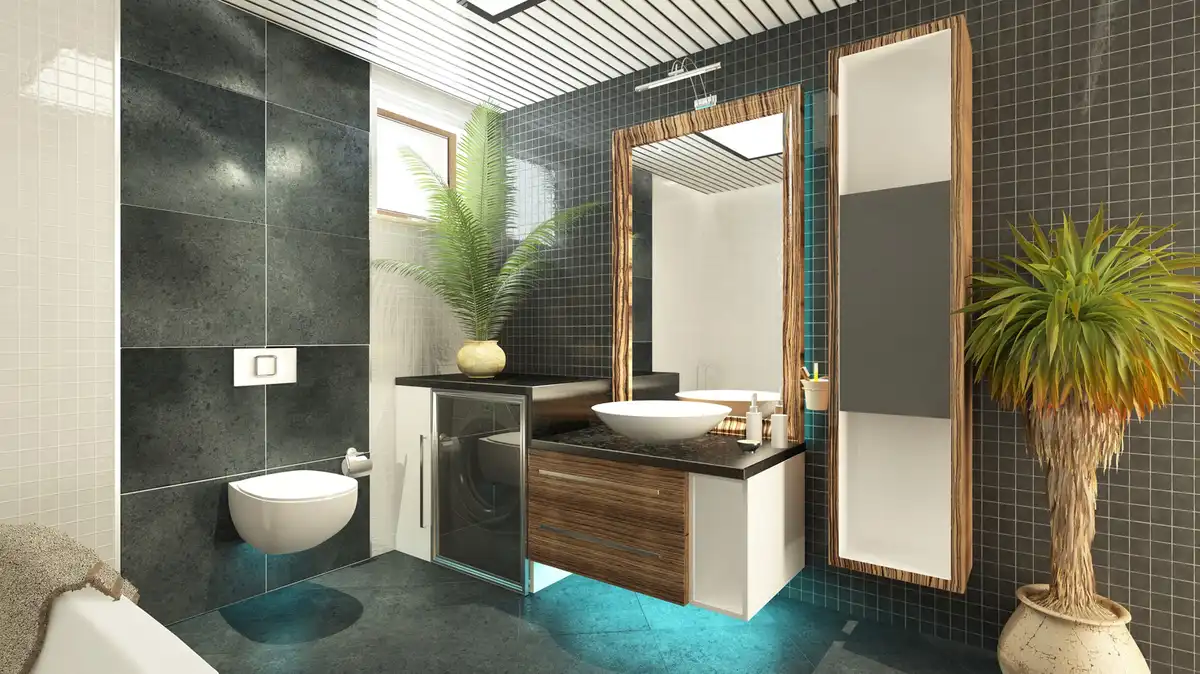
Kitchens and bathrooms are among the most visibly outdated areas in fixer-uppers, and they often require comprehensive upgrades. Old cabinetry, worn countertops, inefficient layouts, and outdated fixtures can make these spaces impractical. Renovations typically include new plumbing fixtures, modern appliances, improved lighting, and better storage solutions. While these upgrades are more cosmetic than structural, they significantly impact daily life and buyer perception. A functional, modern kitchen and bathroom can transform a fixer-upper into a desirable, livable home.
Flooring, Walls, and Interior Finishes
Interior finishes often reveal the age and neglect of a fixer-upper. Damaged flooring, cracked plaster, outdated paint colors, and poor-quality finishes are common. Upgrading floors with durable materials, repairing or replacing drywall, and applying fresh, neutral paint can dramatically change the look and feel of a home. These upgrades are usually done after major systems are addressed, as they are easier to damage during structural or mechanical work. While relatively straightforward, interior finish upgrades provide immediate visual rewards and help unify the home’s design.
Fixer-uppers can be rewarding projects, but success depends on understanding and prioritizing the most common upgrades they need. Structural repairs, roofing, plumbing, Electrical safety, HVAC improvements, and thoughtful interior renovations all play essential roles in transforming an outdated property into a safe, comfortable home. By focusing first on essential systems and then on aesthetics, homeowners can avoid costly mistakes and maximize long-term value. With careful planning and informed decisions, a fixer-upper becomes not just a renovation challenge but an opportunity to create a home that truly works for modern living.
Comments on this guide to Most common upgrades fixer-uppers need, home plumbing article are welcome.
Home Plumbers
Property Plumbers Posts

Smart plumbing design services
DIY solutions for common plumbing mishaps
How plumbing factors into your new home build
++
Building
Residential Property
Comments / photos for the Most common upgrades fixer-uppers need – home plumbing advice guide page welcome.


