Modern Architectural Features That Today’s Buyers Want
post updated 8 July 2026
7 August 2025
The landscape of residential architecture is constantly evolving. What was desirable a decade ago may now be seen as outdated or impractical. Today’s homebuyers are tech-savvy, sustainability-minded, and seek spaces that align with a modern lifestyle. Whether you’re a homeowner looking to renovate or a builder planning your next project, understanding what today’s buyers want is key to maximizing market value and appeal.
This guide explores the most sought-after architectural features in contemporary homes and offers practical advice to help you align with current buyer preferences.
1. Open Concept Living
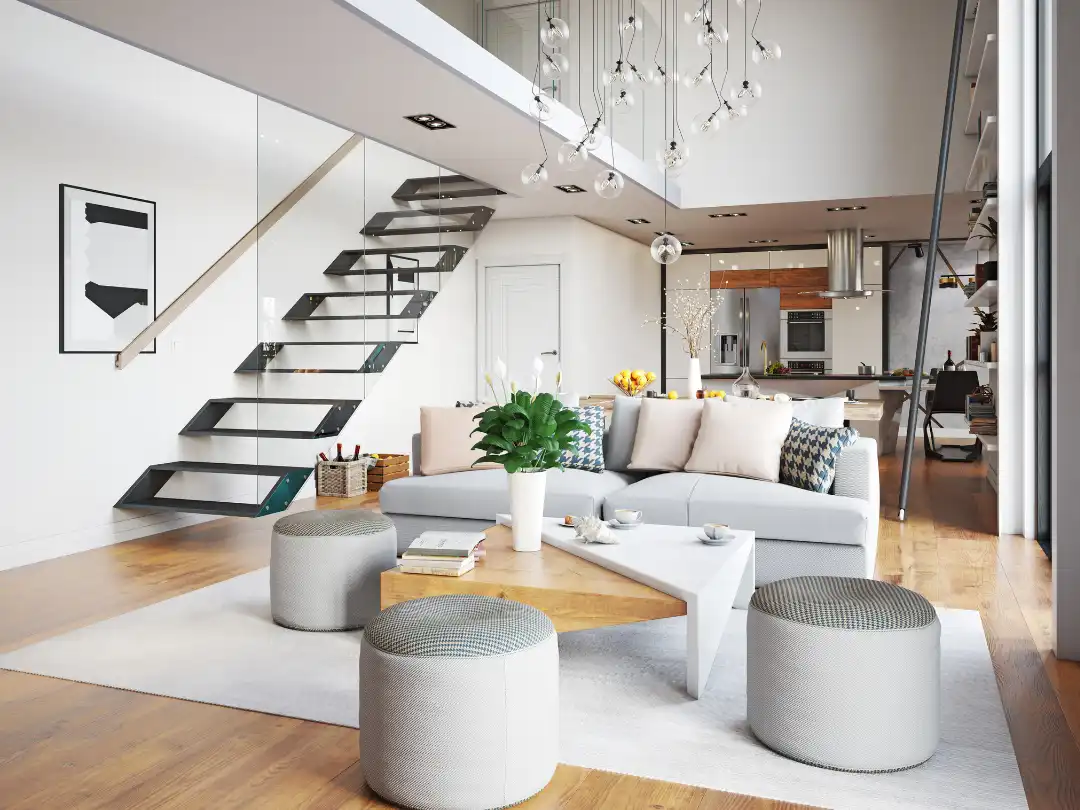
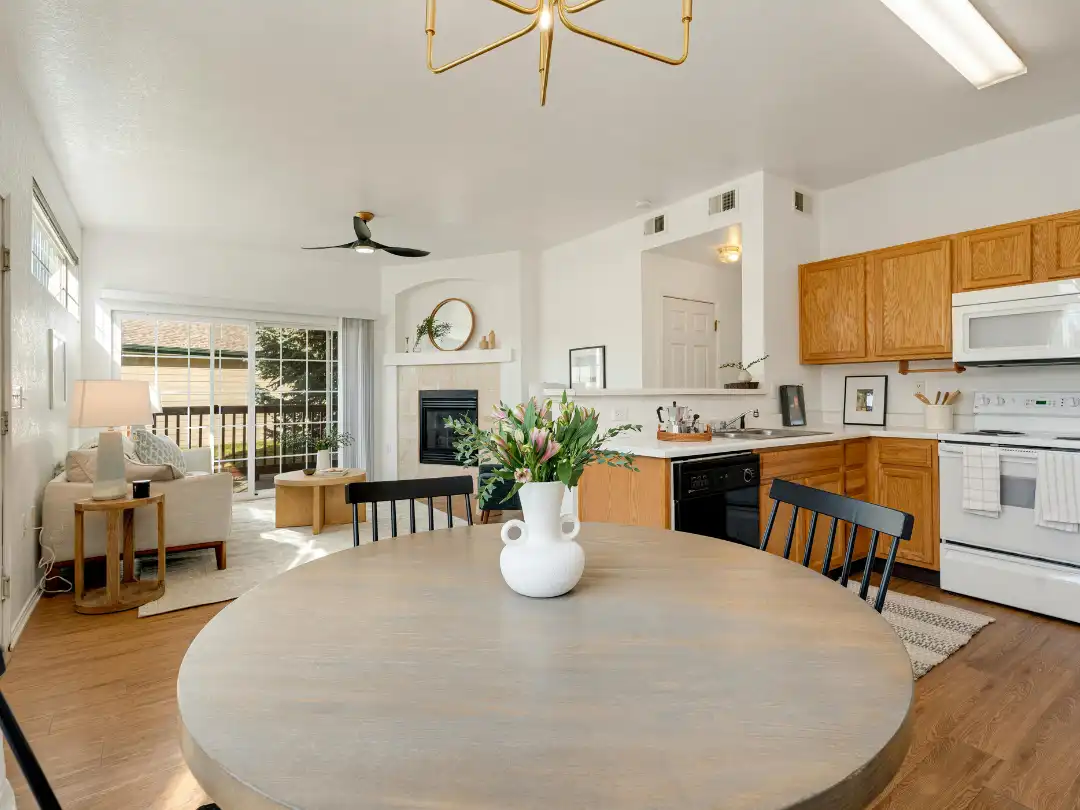
The open floor plan layout remains one of the most desirable architectural features in modern homes. The layout eliminates unnecessary walls, combining the kitchen, dining, and living areas into one large space. This design trend promotes better flow, more natural light, and a stronger sense of community among family members and guests.
For growing families or homeowners who love entertaining, the benefits are immediate. Kitchens become social spaces rather than isolated prep areas, and parents can keep an eye on children while managing other tasks. Additionally, open layouts make smaller homes feel more spacious and airy.
However, it’s not just about tearing down walls. The open concept must be thoughtfully planned. Consider elements such as:
● Strategic placement of windows to ensure consistent lighting.
● Zoning with area rugs or ceiling features to create subtle divisions.
● Acoustic solutions like soft furnishings, to manage sound travel.
When considering such a transformation, it helps to consult a real estate agent with up-to-date market knowledge. They can offer insight into what buyers in your area are specifically looking for and how much value an open layout could add to your home.
2. Sustainable and Energy-Efficient Design
Environmental concerns are shaping the way homes are designed. Buyers are actively seeking properties that reduce their carbon footprint and cut long-term energy costs.
Modern architectural trends now integrate:
● Passive design: Orientation of the home to maximize sunlight in winter and reduce heat gain in summer.
● Energy-efficient windows and insulation: Double or triple-glazed windows, spray foam insulation, and thermal bridging barriers are common upgrades.
● Solar panels and green roofing: These features offer substantial long-term savings and appeal to eco-conscious buyers.
● Smart thermostats and HVAC systems: These provide better control, increased efficiency, and often qualify for rebates.
A study from the National Association of Home Builders (NAHB) found that over 80% of buyers would prefer an energy-efficient home with lower utility bills over a cheaper house with higher energy costs. Builders who incorporate these features during the design phase see not only increased demand but often command a price premium as well.
3. Indoor-Outdoor Living Integration
The lines between interior and exterior living spaces are becoming increasingly blurred. Buyers are drawn to homes that offer seamless transitions between indoor comforts and outdoor enjoyment.
Architectural elements that make this possible include:
● Large sliding or folding glass doors that open fully to connect interior living rooms with patios or decks.
● Covered outdoor kitchens or entertainment areas with weatherproof materials and built-in lighting.
● Flooring continuity where indoor and outdoor materials either match or complement each other for visual fluidity.
Particularly in temperate climates, this integration extends the living space and enhances daily living. Whether it’s sipping coffee in the morning sun or hosting outdoor dinner parties, these features resonate deeply with modern buyers looking for lifestyle-friendly design.
4. Minimalist Aesthetic with Functional Spaces
A minimalist design doesn’t mean sacrificing comfort. Instead, it embraces the philosophy of “less is more,” emphasizing clean lines, uncluttered layouts, and functional utility.
Key characteristics include:
● Flat or low-pitched roofs and strong geometric forms.
● Neutral colour palettes with natural materials like wood, concrete, and stone.
● Built-in storage solutions to keep surfaces clean and organized.
Today’s buyers, especially younger demographics, are looking for homes that support a streamlined lifestyle. Functional spaces that serve multiple purposes — such as a home office nook in a hallway or a guest bedroom with a Murphy bed — are highly valued. These designs are especially relevant in urban markets, where maximizing usable space is critical.
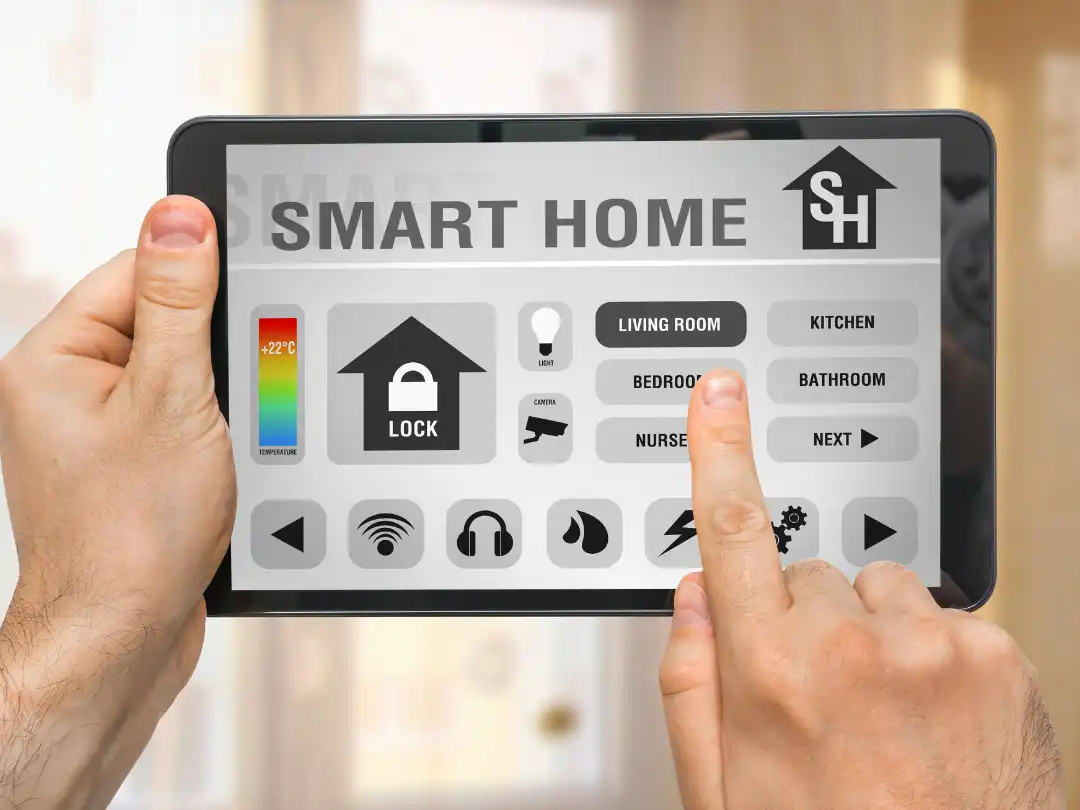
Moreover, minimalism often goes hand in hand with smart home integration. Hidden speakers, wall-mounted tablets for automation, and discreet security systems enhance the user experience without disrupting the aesthetic.
5. Smart Home Technology
Technology is no longer a luxury; it’s an expectation. Homebuyers are increasingly drawn to homes with built-in smart features that enhance convenience, safety, and efficiency.
Popular integrations include:
● Smart lighting systems with voice or app control.
● Keyless entry and video doorbells for added security.
● Integrated sound systems and smart TVs for entertainment.
● Automated blinds and climate control for enhanced comfort.
These technologies not only increase daily comfort but also offer energy savings and peace of mind. A report from Coldwell Banker showed that over 70% of homebuyers are willing to pay more for homes with smart features, particularly those related to security and energy management.
When planning renovations, builders and homeowners should prioritize systems that are easily upgradable and compatible with common platforms like Alexa, Google Home, or Apple HomeKit.
6. Flexible Floor Plans and Multi-Use Rooms
Since the COVID-19 pandemic, the demand for adaptable spaces has grown rapidly. Home offices, virtual classrooms, and workout areas became essential, and buyers expect homes to offer flexibility to support these functions.
Modern architectural designs now favour:
● Movable partitions or sliding doors to transform open spaces.
● Bonus rooms that can shift between office, bedroom, or hobby room.
● Basements or attics are finished to be use.
Even smaller homes can benefit from flexible planning. A breakfast nook by day can double as a study zone in the evening. Proper lighting, outlet placement, and soundproofing help these transitions function seamlessly.
Buyers are increasingly concerned with how a home can support their evolving lifestyle needs. Homes that offer flexibility without requiring extensive renovations are more likely to stand out in a competitive market.
7. Statement Kitchens and Spa-Inspired Bathrooms
While open-concept design helps kitchens shine, the kitchen itself has become a focal point. Modern buyers want a space that blends utility and style.
Trending kitchen features include:
● Waterfall islands, often with quartz or granite.
● Hidden appliances behind matching cabinetry.
● Walk-in pantries and open shelving for visual interest.
● LED task lighting and smart appliances.
Bathrooms are also evolving into wellness retreats. Buyers love:
● Freestanding tubs, walk-in showers with rainfall heads, and heated floors.
● Floating vanities, backlit mirrors, and natural textures for spa vibes.
● Touchless faucets and integrated audio for a premium experience.
These features not only look stunning but also elevate daily routines into moments of comfort and luxury.
Architecture has become more than just aesthetics; it reflects how people live, work, and relax. Buyers today are not only thinking about square footage or finishes. They’re prioritizing lifestyle-friendly layouts, environmental responsibility, and seamless integration of technology and design.
Whether you’re building from scratch, preparing a home for sale, or looking to make strategic upgrades, understanding and incorporating these features can significantly boost appeal and value. Working with professionals who understand your market can help you prioritize effectively and ensure your investment aligns with buyer expectations.
Comments on this guide to Modern Architectural Features That Today’s Buyers Want article are welcome.
Home Articles
Residential Architecture
++
Real Estate
Real Estate Posts
Should You Move Your Real Estate Investment To Canada
How to find and buy a suitable condo in Canada
Comments / photos for the Modern Architectural Features That Today’s Buyers Want page welcome