
Minimalist Living Improves Mental Health and Reduces Stress
10 February 2026
Minimalist living has gained widespread attention in recent years, not because it is trendy, but because it offers a powerful antidote to the overwhelming pace of modern life. Many people are beginning to see minimalism not as an aesthetic of bare walls and empty shelves, but as a thoughtful, intentional way of living that creates space for clarity, calm, and purpose. As curiosity around this lifestyle grows, some individuals explore resources such as simply seven.net to learn how simplifying their surroundings and routines can directly influence their emotional well-being. What they often discover is that minimalism is far less about restriction and far more about liberation.
The Emotional Weight of Clutter
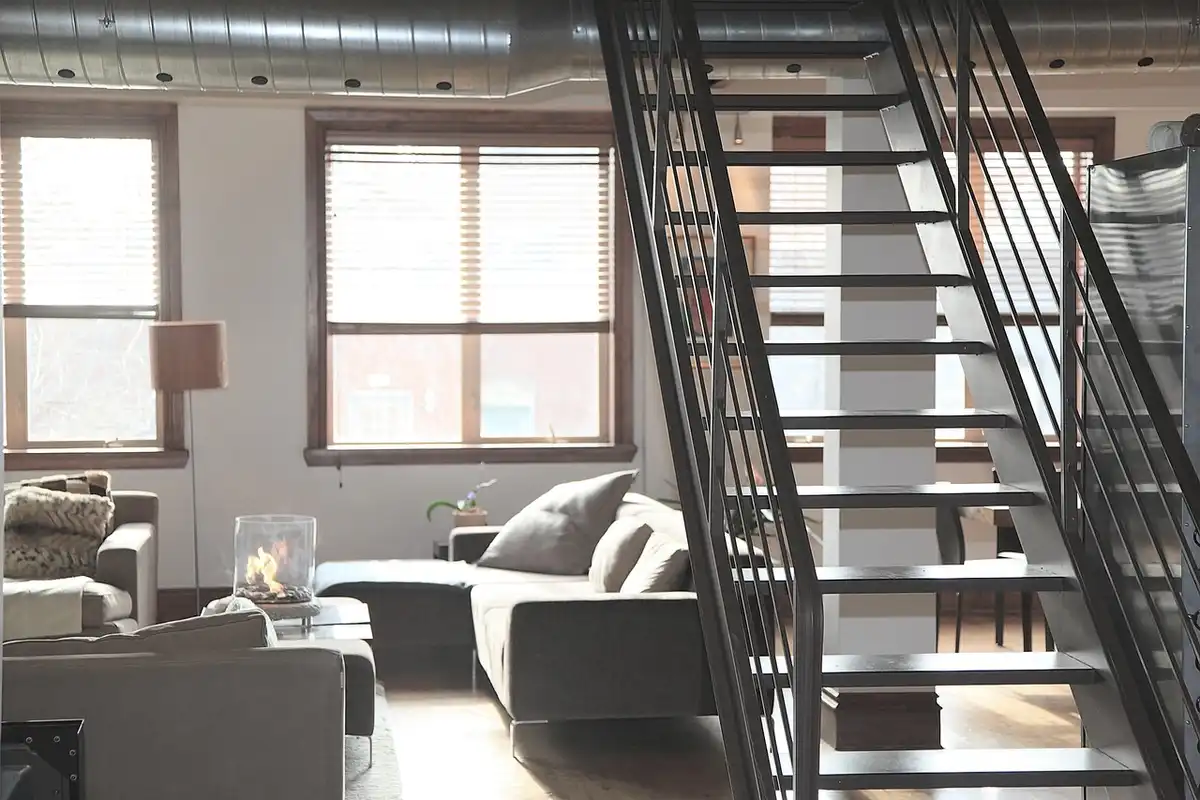
Physical clutter is rarely just physical. It represents postponed decisions, abandoned intentions, and mental noise that accumulates in the background of everyday life. Many people underestimate how much emotional energy their belongings consume. A crowded closet can evoke guilt about unused purchases. Stacks of paperwork can create a sense of unfinished obligation. Even well-loved items can overwhelm when they exceed the amount of space or attention a person can comfortably give.
Minimalism helps break the cycle by prompting individuals to evaluate what truly supports their lives. As unnecessary items are removed, the emotional burden they carried often disappears as well. The visible shift in the environment mirrors an internal shift—one where stress begins to loosen its grip and space opens for peace and clarity.
The overwhelming stress brought on by your cluttered environment can lead to further self-destructive behavior such as excessive substance abuse and long-term emotional burnout. Medical experts from the Aloha State who create the best luxury alcohol detox Hawaii can give explain how environments trigger negative coping mechanisms and why removing external stressors is crucial for lasting recovery. Entering a calm and structured space allows individuals to clear their minds and build healthier habits. Over time, this simplified lifestyle fosters a sense of resilience that supports ongoing personal growth.
Mindfulness Through Simplification
A major psychological benefit of minimalism lies in the increased awareness it naturally fosters. The process of simplifying encourages people to question not only what they own, but why they own it. This awareness frequently spills into other areas of life: how time is spent, which habits serve personal well-being, and what goals genuinely matter.
This mindfulness becomes grounding. Instead of operating on autopilot, individuals begin making deliberate choices based on value rather than impulse or habit. By reducing the unnecessary, they illuminate what is meaningful. This shift promotes mental clarity and reduces stress by aligning daily life with personal priorities.
Fewer Decisions, More Mental Space
Every day, people make countless small decisions without realizing how much these choices drain mental stamina. From selecting what to wear, to sorting through cupboards, to navigating cluttered rooms, the brain is constantly working. Over time, this contributes to decision fatigue—a condition that makes people feel overwhelmed, irritable, and mentally exhausted.
Minimalist living reduces the volume of decisions the brain must process. With fewer distractions and fewer objects demanding attention, the mind experiences relief. The home becomes easier to maintain, daily choices become simpler, and mental energy can be redirected toward more fulfilling activities. This reclaimed mental bandwidth significantly reduces stress and enhances emotional resilience.
A Calmer Environment for a Calmer Mind
The impact of a minimalist environment on emotional well-being is immediate and noticeable. Clean, open spaces allow the mind to settle, similar to the way natural settings can soothe and restore. Visual calm creates internal calm. The absence of clutter reduces stimulation, which in turn lowers stress levels.
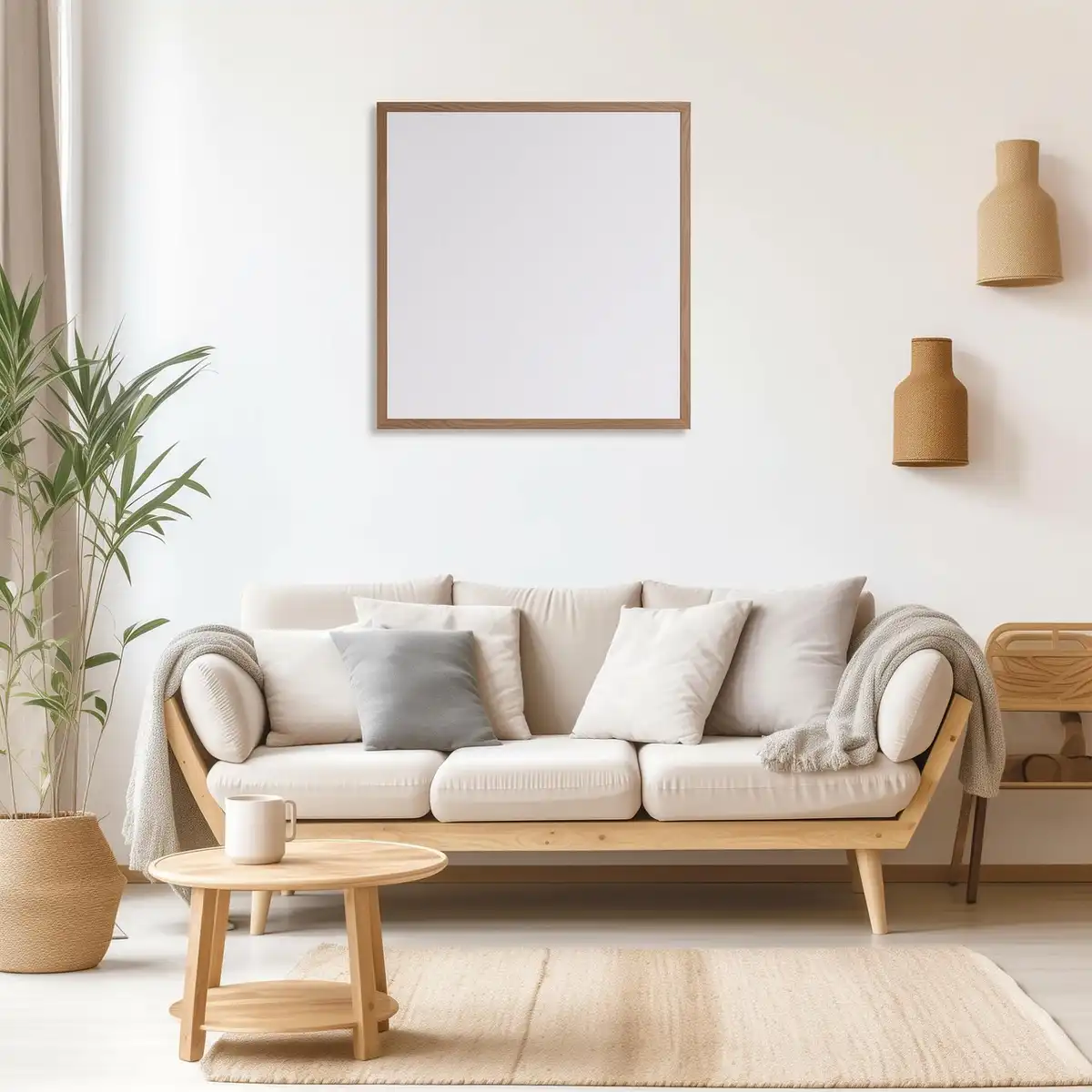
A minimalist home doesn’t need to be stark or empty. It simply needs to be intentional—free from the overwhelming noise of excess objects. That sense of order and spaciousness becomes a sanctuary from the pressures of the outside world. Those who embrace minimalism often report better sleep, clearer thinking, and a general feeling of lightness that permeates their daily routines.
Strengthening Relationships Through Simplicity
Minimalism also has a surprising impact on relationships. When physical spaces are simplified, emotional space tends to open as well. Couples may feel less tension when household clutter no longer causes friction. Families often find that children thrive in tidier environments with fewer distractions. Conversations become easier, routines become smoother, and shared environments feel less chaotic.
Moreover, minimalism reduces the social pressure to acquire or compare. Instead of striving to meet external expectations, people begin focusing on connection, experiences, and authenticity. This fosters healthier communication and deeper relationships built on presence rather than possessions.
Letting Go and Emotional Healing
The act of letting go carries emotional significance. Parting with objects tied to past identities, outdated dreams, or unresolved experiences can be profoundly freeing. It allows individuals to release what no longer aligns with who they are or who they want to become. This emotional unburdening often becomes one of minimalism’s most transformative effects.
As people detach from excess belongings, they also detach from old stories and emotional weight. The process becomes an exercise in acceptance, clarity, and renewal. Letting go creates room not only in the physical environment but also within one’s emotional landscape.
Minimalism as a Path to Inner Balance
Minimalist living is not about deprivation. It’s about choosing intentionally, clearing mental and physical clutter, and making space for peace. By focusing on what matters and removing what does not, individuals create homes—and lives—that support mental health rather than undermine it.
A minimalist lifestyle encourages balance, fosters clarity, and offers relief in a world that is constantly demanding more. Through simplicity, people find room to breathe, rest, and reconnect with themselves. In that space, stress fades, and well-being becomes far more achievable.
Comments on this Guide to How Minimalist Living Improves Mental Health and Reduces Stress article are welcome.
Garage Doors
Garage Door Posts
Garage Door Mechanisms: Torsion and Extension Springs
Motorized garage door screens in your house
++
Architecture Designs
Comments / photos for the How Minimalist Living Improves Mental Health and Reduces Stress page welcome


