
Maximizing Savings with Residential Energy Solutions
28 October 2025
Energy efficiency has become a vital consideration for households everywhere. Homeowners increasingly seek ways to reduce their utility bills while promoting sustainable living. With the right residential energy solutions, maximizing savings and enhancing energy efficiency is achievable.
From solar energy installation to energy-efficient appliances, various strategies can drastically lower energy costs. Homeowners who invest in these solutions save money right away and help create a more sustainable future.

Understanding Residential Energy Solutions
Residential energy solutions encompass a range of products and modifications designed to improve a home’s energy efficiency. These solutions are aimed at reducing total energy consumption, leading to lower utility bills and reduced environmental impact.
Homeowners can explore options such as insulation upgrades, high-efficiency HVAC systems, and smart home technologies. These strategies save money and elevate comfort levels within the home.
Home energy audits are critical in understanding where energy is being wasted. Homeowners can prioritize improvements that yield the most return on investment by identifying inefficient areas.
Upgrading insulation can reduce heating and cooling demands significantly. Homeowners can take advantage of tax incentives and rebates for implementing energy-efficient solutions. This makes investing in energy efficiency beneficial for the planet and for personal finances.
Solar Energy: A Bright Investment
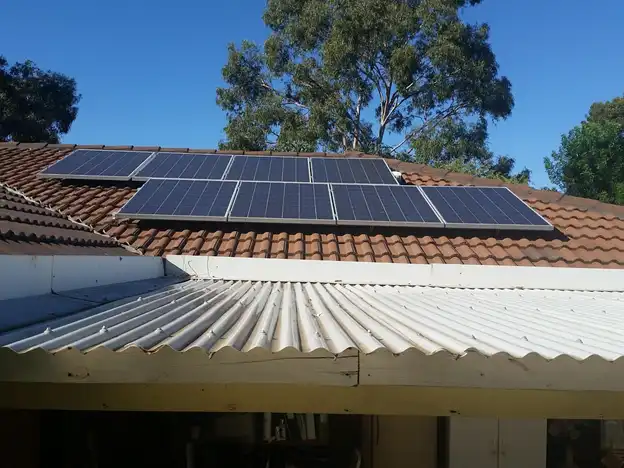
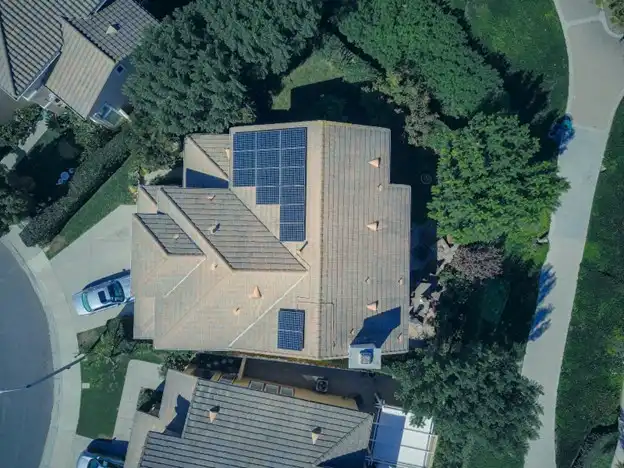
Solar energy is one of the leading solutions for residential energy savings. This renewable energy source reduces reliance on grid-purchased electricity and allows homeowners to generate their own power. The team behind Elite Home Energy Solutions says that solar panels significantly decrease energy bills by harnessing sunlight for electricity. They work effectively in most climates, and with drops in installation costs over the years, many families are finding solar panels a financially viable option.
Investing in solar energy systems can enhance home value. Properties equipped with solar panels typically sell at a premium, making this investment noteworthy for current and future financial considerations.
Various financial programs, including solar leases and power purchase agreements (PPAs), offer flexible options for homeowners unsure about the upfront cost. Various government incentives exist to lower the entry barrier for adopting solar energy.
Tax credits can further reduce the installation costs, allowing for a faster return on investment. Given the combination of financial savings, environmental benefits, and the potential for enhanced property value, solar energy emerges as a compelling option for homeowners.
Energy-Efficient Appliances
Upgrading to energy-efficient appliances is another effective strategy for reducing household energy usage. These appliances are designed to consume power more efficiently than traditional models, leading to noticeable savings on energy bills.
Many appliances now carry Energy Star certifications, indicating they meet strict energy efficiency guidelines set by the U.S. Environmental Protection Agency. Investing in energy-efficient appliances can provide significant cost savings.
Energy Star refrigerators use about 15% less energy than non-certified models, resulting in considerable savings on electricity bills. While the initial investment may be higher, the reduced energy costs can quickly offset the price difference.
Energy-efficient appliances contribute to a longer lifespan and improved performance, ensuring that households benefit from savings and from enhanced convenience and reliability. Homeowners should replace old appliances with energy-efficient models when they are ready for an upgrade.
Smart Home Technology
Smart home technology has revolutionized energy management for homeowners. Smart thermostats can learn household schedules, allowing for optimized heating and cooling patterns.
By adjusting temperature settings based on usage patterns, these devices can substantially lower energy consumption. In addition to thermostats, smart lighting systems can be programmed to turn off when not needed, providing further savings.
Home automation technologies allow users to remotely control appliances and lighting, thereby managing energy consumption more effectively. Many smart devices provide real-time energy consumption insights.
Insulation and Sealants
Proper insulation plays a critical role in maintaining temperature within the home. By preventing drafts and heat loss during colder months, effective insulation systems reduce the workload on heating and cooling systems.
Energy bills decline as HVAC systems do not have to work as hard. Beyond traditional insulation methods, using sealants around windows and doors can make a significant difference. Homeowners can reduce air leaks and increase energy efficiency by caulking gaps and cracks.
Improved insulation coupled with effective sealing often leads to increased comfort levels, which is a notable benefit. In many locales, upgrading insulation can qualify for rebates or tax credits.
Homeowners interested in maximizing their energy savings should think about a thorough inspection of their home’s insulation and sealing. Investing in insulation upgrades maximizes utility savings and significantly enhances the health and comfort of the living space.
Getting Started with Energy Audits
Beginning the journey toward energy efficiency often starts with an energy audit. This process involves a comprehensive evaluation of a home’s energy use where experts assess various aspects, such as insulation quality, appliance efficiency, and air leakage.
The insights gained from energy audits can help identify the most impactful improvements. Homeowners can opt for professional evaluations or utilize available DIY audit tools. Either way, the goal is to pinpoint specific areas where energy is being wasted.
This step equips homeowners with the knowledge needed to make the right investments that yield the highest savings. A well-executed energy audit highlights the current energy consumption and projects future savings based on recommended upgrades.
It can serve as the foundation for a strategic approach to embracing residential energy solutions. By taking these steps, homeowners can set themselves up for ongoing savings and a more sustainable lifestyle. Saving money while enhancing energy efficiency is within reach of every homeowner.
Comments on this guide to Maximizing savings with residential energy solutions article are welcome.
Sustainable Architecture
Sustainability Posts
Take action to save our planet
Sustainability in Architectural Research
Risk Considerations for Architects to Achieve Net Zero by 2050
++
Building Articles
Contemporary Property Articles – architectural selection below:
Comments / photos for the Maximizing savings with residential energy solutions page welcome


