Lawn Care Insights on Snow and Ice Impact
15 December 2025
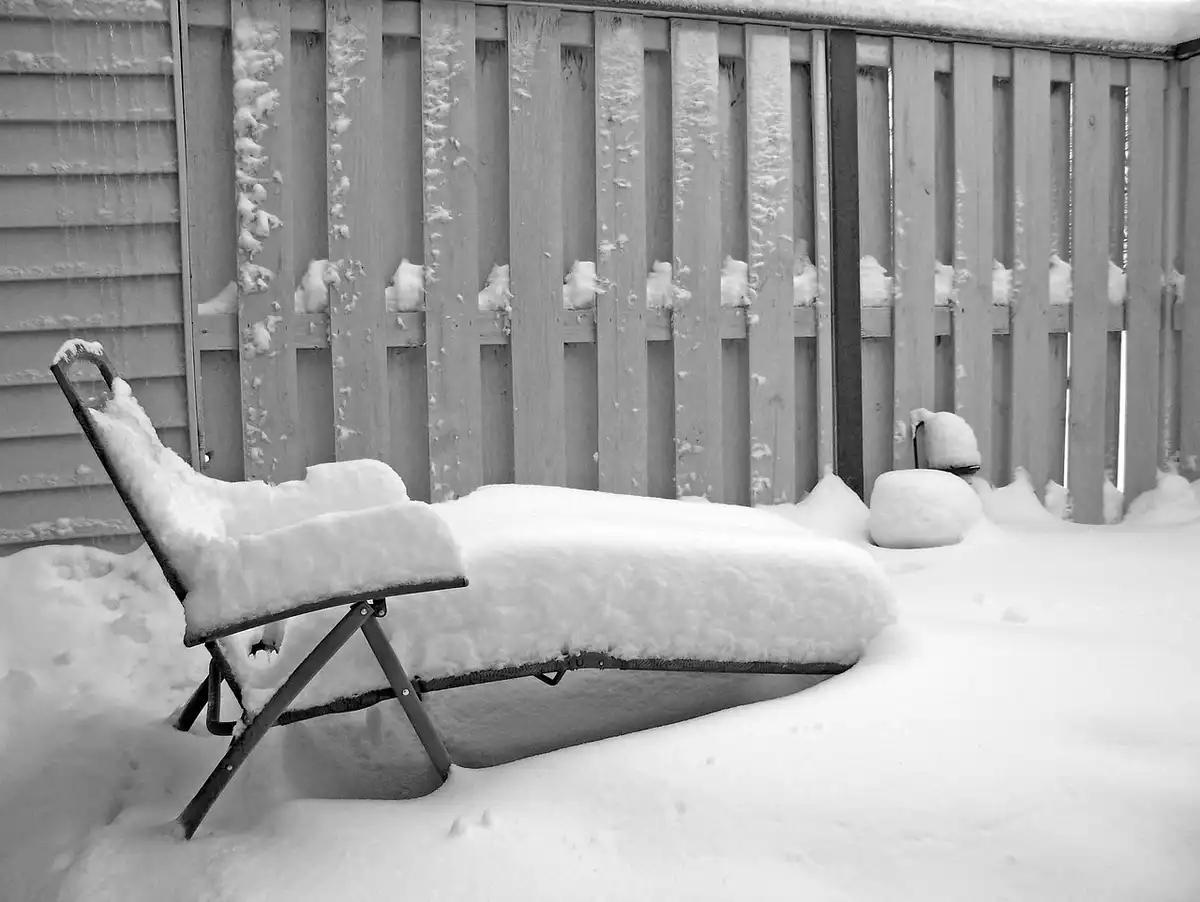
Lawn Care Insights on Snow and Ice Impact: Here’s What You Need to Know!
Maintaining a lawn is a demanding job. You have to invest yourself in this so that the lawn looks beautiful and healthy year-round. Do you have enough time for lawn care? You may struggle if you lead a socially active life or have a busy work schedule.
Even a simple task, like watering, takes a good amount of time. If you want to ensure your lawn looks stunning even through seasonal changes, consider hiring a professional. Local lawn care companies can assist with essential maintenance tasks, which can be both physically demanding and time-intensive. In addition to regular maintenance, many homeowners also benefit from professional landscape installation services to design and build outdoor spaces that are both functional and visually appealing, ensuring long-term value and easier upkeep.
For assistance, you can turn to JHL Turf Pros. Professionals like them not only manage the entire lawn effectively but also provide a clear picture of how different seasons impact its well-being. They offer unbiased advice on events like snow and ice affecting the lawn.
It is a common perception that snow can harm lawn health. However, experienced professionals also explain why snow and ice can be beneficial for lawns during colder months. For those unaware, snow acts as a protective layer for grass against wind and cold. It helps with slow irrigation and preserves seeds for spring germination. As a result, your turf remains healthy and undamaged. Let’s take a closer look at how snow and ice affect your lawn.
The good side of snow and ice for lawns
A thick layer of snow insulates the grass beneath, protecting it from winterkill. However, a moderately thick snow cover can warm the soil, helping grass crowns and roots remain dormant until conditions become favorable for growth. At the same time, snow slowly releases moisture into the soil, preventing it from drying out due to cold winds and winter sun. If you hire lawn care specialists for dormant seeding in late fall, the snow and ice layer ensures that seeds remain dormant yet viable, even during warm spells in winter and beyond.
Another aspect many homeowners may not realize is that snowflakes contain atmospheric nitrogen, which is released into the soil as they melt, creating ideal conditions for spring growth.

The bad side of snow and ice for lawns
One common risk is fungal infection, such as snow mold. The thick snow cover creates a favorable environment for fungi to grow on the turf, potentially damaging its health. Patches of pink or gray-brown matted grass are visible signs of fungal disease. However, there’s no need to panic—this can be managed by calling lawn care experts.
As such, fungi cannot tolerate high temperatures. The grass starts to recover when you remove snow piles and matted patches. Even applying nitrogen can be a good idea. For persistent problems, specialists may use an appropriate fungicide. As for ice, it blocks the grass’s access to moisture. As a result, the turf becomes more vulnerable to winter damage, especially during windy or sunny days. However, techniques such as topdressing can be effective here.
What steps should you take for your lawn in winter? It’s best to let professionals take care of your backyard. Every lawn requires a tailored approach, which only professional services can provide.
Comments on this guide to Lawn care insights on snow and ice impact article are welcome.
Property Lawn Care
Lawns Posts
DIY lawn care plan that is easy to maintain
How to Properly Take Care of Your Lawn
Avoid typical mistakes in lawn care
++
Home Gardens and Landscape Designs
Contemporary Property Articles – architectural selection below:
Comments / photos for the Lawn care insights on snow and ice impact page welcome.