Designing for Protection: Integrating High-Security Lock Standards into Modern Architecture
18 November 2025
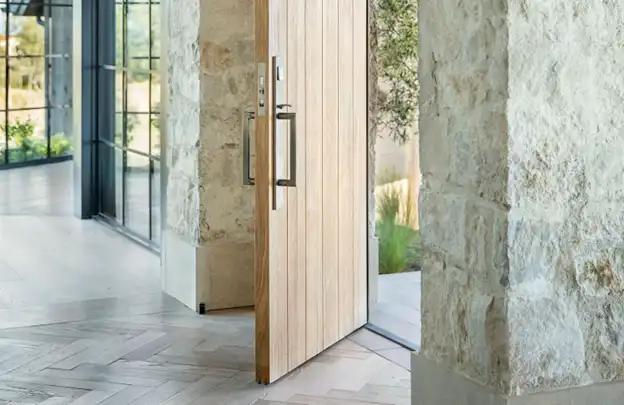
The mark of excellent modern architecture is its capacity to marry form and function without compromise. As designers push the boundaries of materials and aesthetics, the often-overlooked area of physical security hardware demands equal attention.
In an era where building safety is paramount, architects are challenged to move beyond standard compliance and integrate high-security locking systems that are both effective against contemporary threats and visually harmonious with the surrounding design. This piece explores the technical standards and consultative strategies necessary to achieve this balance, ensuring that security becomes an asset, not a sacrifice, in contemporary building design.
Security as an Architectural Element, Not an Afterthought
For too long, security hardware – locks, latches, and bolts – has been treated as a simple utility, a functional necessity added at the final stages of a build. Modern architectural practice, however, requires a fundamental shift in this approach. When designing new residential or commercial structures, architects must integrate security specifications from the very earliest concept phase, viewing them not as an ancillary feature but as an intrinsic component of the building envelope, just as crucial as insulation or fire rating.
This proactive integration is essential for meeting contemporary building regulations, achieving accreditations like Secured by Design (SBD), and, critically, delivering genuine peace of mind and protection to the end-user. For those specifying hardware in projects across England and Wales, ensuring the chosen systems meet the latest British Standards is non-negotiable, a commitment that professionals at VB Locksmith Services prioritize through their commitment to quality and certified installation. The challenge lies in ensuring that these protective measures are both robust and aesthetically cohesive, avoiding the bulky, industrial look that can detract from a sophisticated design.
The Rise of Anti-Snap Technology in UK Building Design
A key consideration, particularly within the UK and Wales, is the widespread use of euro cylinder locks found in uPVC, timber, and composite doors. These cylinders, if not certified, are vulnerable to a rapid entry technique known as “lock snapping,” where the cylinder is broken at its weakest point. For architects specifying hardware in high-density residential developments or even bespoke projects, specifying locks that are resistant to this attack is no longer optional – it is mandatory for professional liability and ethical design.
The solution lies in choosing cylinders rated with a three-star security rating (TS007) or those certified to British Standard BS3621. These locks incorporate sacrificial cut lines and hardened steel reinforcements, designed to defeat the physical methods used by intruders, ensuring the structural integrity of the cylinder remains intact even when subjected to extreme force.
Seamless Integration: Balancing High Security with Aesthetic Vision
The primary tension in specifying security is often the conflict between robustness and visual appeal. High-security locks tend to feature more material and more complex mechanisms.
The goal of the contemporary architect is to specify solutions that conceal or minimize the visual intrusion of this essential hardware. This is achieved through clever design choices: utilizing flush-mounted multi-point locking systems within door profiles, choosing minimalist handle sets that cover large escutcheons, and selecting materials like matte black or brushed stainless steel that complement the surrounding door furniture and façade.
Furthermore, the rising adoption of smart lock technology offers a perfect marriage of high security and minimalist aesthetics, replacing traditional keyholes with sleek keyless interfaces that integrate seamlessly with smart home or building management systems.
The Role of Expert Consultation in Specification
The landscape of physical security standards is complex and constantly evolving to counter new forced-entry methods. As building specifications become more demanding, architects must rely on certified professionals to bridge the gap between abstract building codes and practical, compliant hardware installation.
A professional consultation can confirm that a chosen lock is correctly specified for the door type, that it is fitted with the cylinder properly recessed, and that the chosen components meet necessary insurance and security regulations. Consulting a certified expert ensures that the chosen hardware not only meets the design brief but also the highest safety requirements.
Comments on this guide to Integrating high-security lock standards in buildings – SBD home safety advice article are welcome.
Home Security
Security Property Gates
Security Gates in Modern Commercial Architecture
Simple gate design with modern touch ideas
a href=”https://www.e-architect.com/wp-content/uploads/2025/07/home-gates-doors-installation-lighting-x180725-pi.webp” target=”_blank” rel=”noopener”>
Simple gate design with modern touch ideas
++
Building
Residential Architecture Articles
Comments / photos for the Integrating high-security lock standards in buildings advice – Secured by Design Locksmith Services page welcome.