
Integrating Fire-Rated Cladding into Contemporary Facade Designs
8 November 2025
Modern architecture increasingly demands materials that balance aesthetics, sustainability, and safety. In the UK, where fire performance regulations are stringent, the role of certified timber cladding has become essential. Designers are now embracing advanced fire-rated systems that meet Euroclass standards while maintaining the natural warmth of real wood.
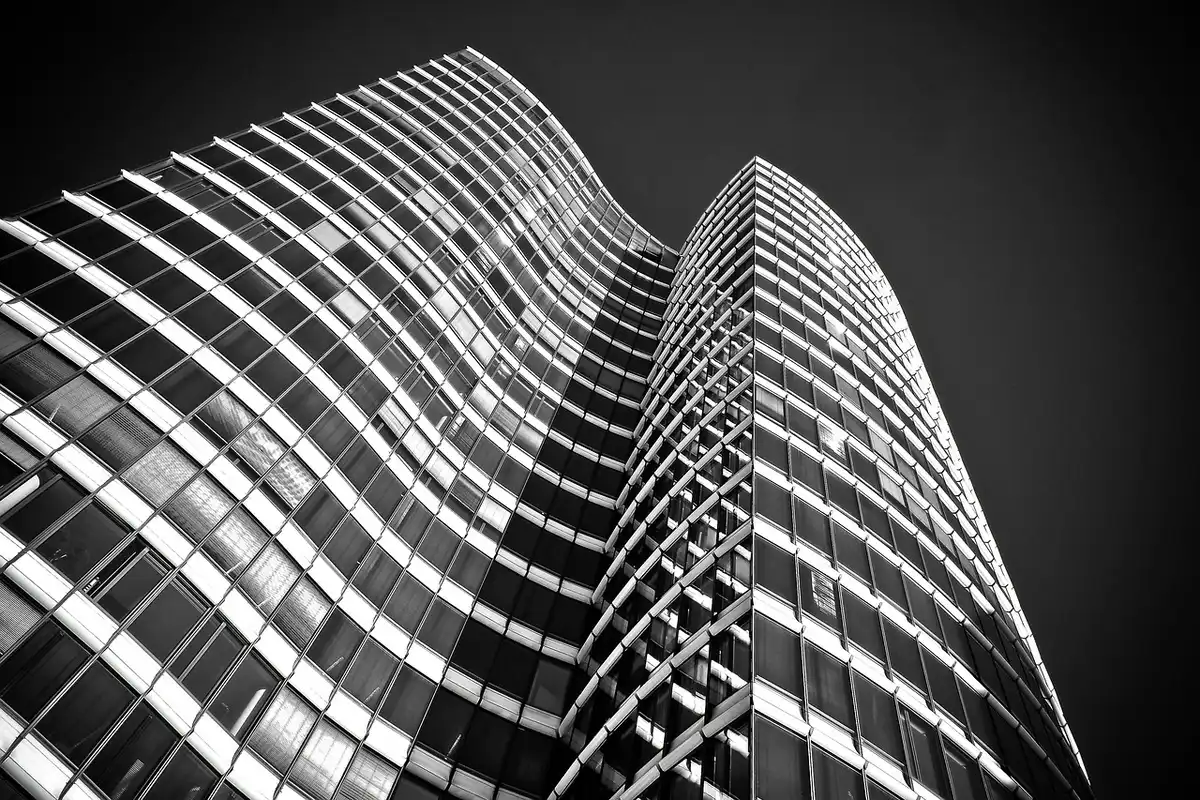
The Evolving Need for Safer Facades
After several high-profile incidents, the UK construction industry placed significant emphasis on non-combustible and fire-resistant materials for external façades. Timber, once perceived as risky, has evolved through technological innovation. When properly treated, it can now achieve Euroclass B-s1,d0 performance—making it suitable for both commercial and multi-storey residential projects.
At the core of this development are certified treatment processes that impregnate the wood with fire-retardant solutions. These treatments are factory-applied under controlled conditions to ensure even penetration, consistent protection, and long-term durability.
How Fire-Rated Timber Cladding Works
Fire-rated timber cladding maintains the natural beauty of wood while meeting the strictest safety classifications. The process modifies the wood’s combustion characteristics, significantly reducing flame spread and smoke generation.
When exposed to fire, treated timber chars at the surface, creating a self-insulating layer that slows heat transfer and protects the underlying material. This controlled charring effect allows the structure to maintain its integrity, buying crucial evacuation time in the event of an emergency.
Timber Cladding Specialists supply a full range of certified Fire Rated Cladding options meeting Euroclass B-s1,d0. These include species such as Siberian Larch, Thermowood, and Spruce—all tested and compliant with UK Building Regulations.
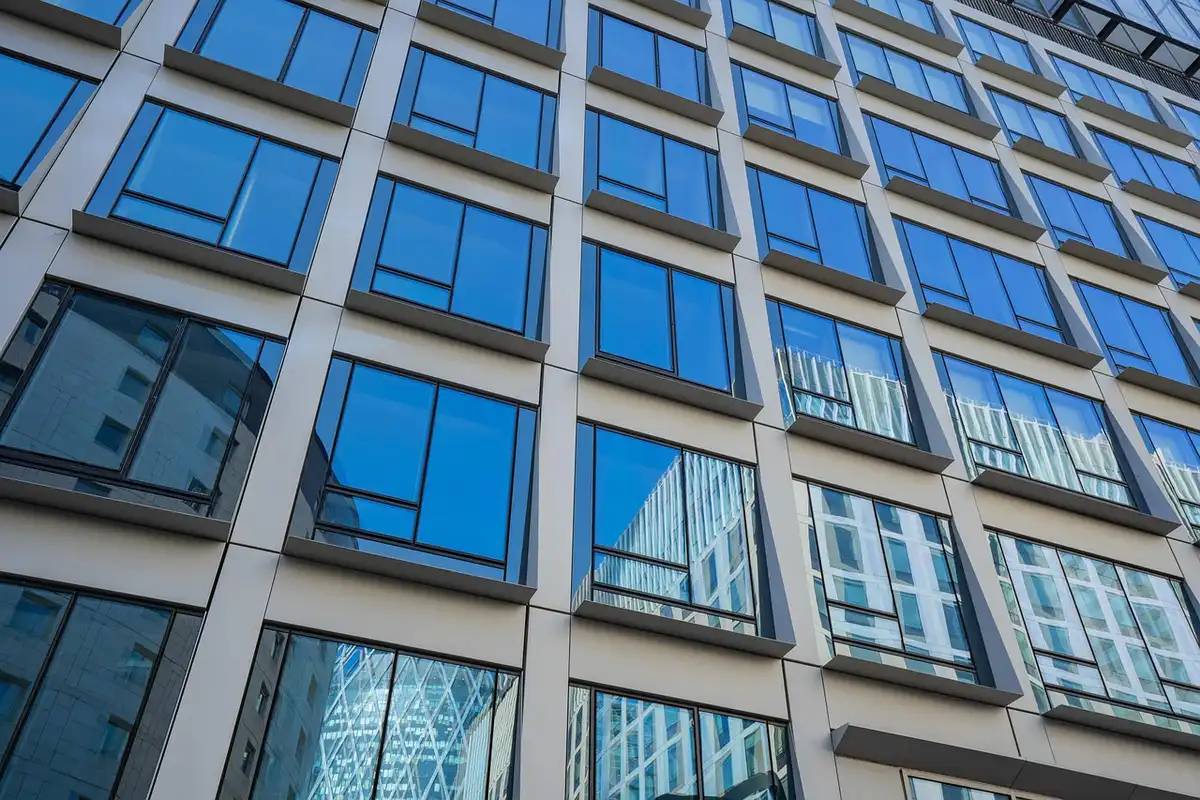
Design Without Compromise
One of the main advantages of modern fire-rated systems is their design flexibility. Architects no longer have to sacrifice visual appeal for compliance. Treated timber maintains its original grain, texture, and tone—allowing complete creative freedom.
Whether applied to rainscreen façades, soffits, or external features, fire-rated cladding integrates seamlessly with materials like aluminium, glass, and concrete. The result is a high-performance envelope that combines natural elegance with strict safety standards.
Compatibility with Other Timber Types
Many architects pair fire-treated Larch with other thermally modified products for enhanced performance. For instance, combining it with heat-treated woods such as Thermowoo Cladding provides a dual advantage—superior dimensional stability and certified fire resistance.
This approach enables consistency in texture and tone while tailoring the system to meet both aesthetic and technical requirements. Factory pre-finishing ensures the coating is evenly applied, reducing site waste and installation time.
Sustainability and Certification
Fire-rated timber remains one of the most sustainable façade options available. All products offered by Timber Cladding Specialists are sourced from responsibly managed forests and carry PEFC or FSC certification. Unlike metal or composite panels, timber has a significantly lower embodied carbon footprint.
Fire retardant chemicals used today are non-toxic, halogen-free, and environmentally safe. They do not leach or degrade under moisture, maintaining protection throughout the timber’s life cycle.
Installation Considerations
Correct installation is key to maintaining the cladding’s performance rating. Boards should be fixed using stainless-steel fasteners or approved clip systems to allow for thermal movement. Adequate ventilation behind the façade is essential to ensure longevity and prevent trapped moisture.
All fire-rated systems supplied by Timber Cladding Specialists are delivered ready to install with certification, batch documentation, and detailed fixing guidance for architects and contractors.
Maintaining Fire Performance Over Time
Properly treated fire-rated timber does not require reapplication or re-treatment under normal conditions. However, periodic inspections—typically every 10 years—ensure continued compliance and aesthetic quality. Surface coatings can be reapplied to maintain colour or gloss, but these do not affect the internal fire protection properties.
Aesthetic and Technical Balance
Fire-rated cladding bridges the gap between modern safety expectations and timeless architectural aesthetics. From sleek commercial offices to sustainable housing developments, its adaptability supports every design vision.
By integrating certified timber façades early in the design process, architects can achieve both compliance and creativity. This synergy is what defines forward-thinking architecture today.
Conclusion
As the industry moves toward safer and greener construction, fire-rated timber cladding has become indispensable. It offers not only compliance but also design flexibility, durability, and sustainability.
For detailed specifications, fire certificates, or project advice, please Request a Quote from Timber Cladding Specialists—the UK’s trusted source for performance-certified façade systems.
Comments on this guide to Integrating fire-rated cladding in contemporary facade designs article are welcome.
Building Facades
Facade Posts
Things to know about the wall cladding
Natural slate rainscreen cladding system
Fire-Safe Aluminium Rainscreen Cladding
++
Building Articles
Residential Architecture
Comments / photos for the Integrating fire-rated cladding in contemporary facade designs advice page welcome

