Integrating Energy-Efficient Boilers Into Modern Home Design
1 December 2025
The way we heat our homes has evolved dramatically in recent years. Gone are the days when homeowners simply installed whatever heating system was cheapest or most readily available.
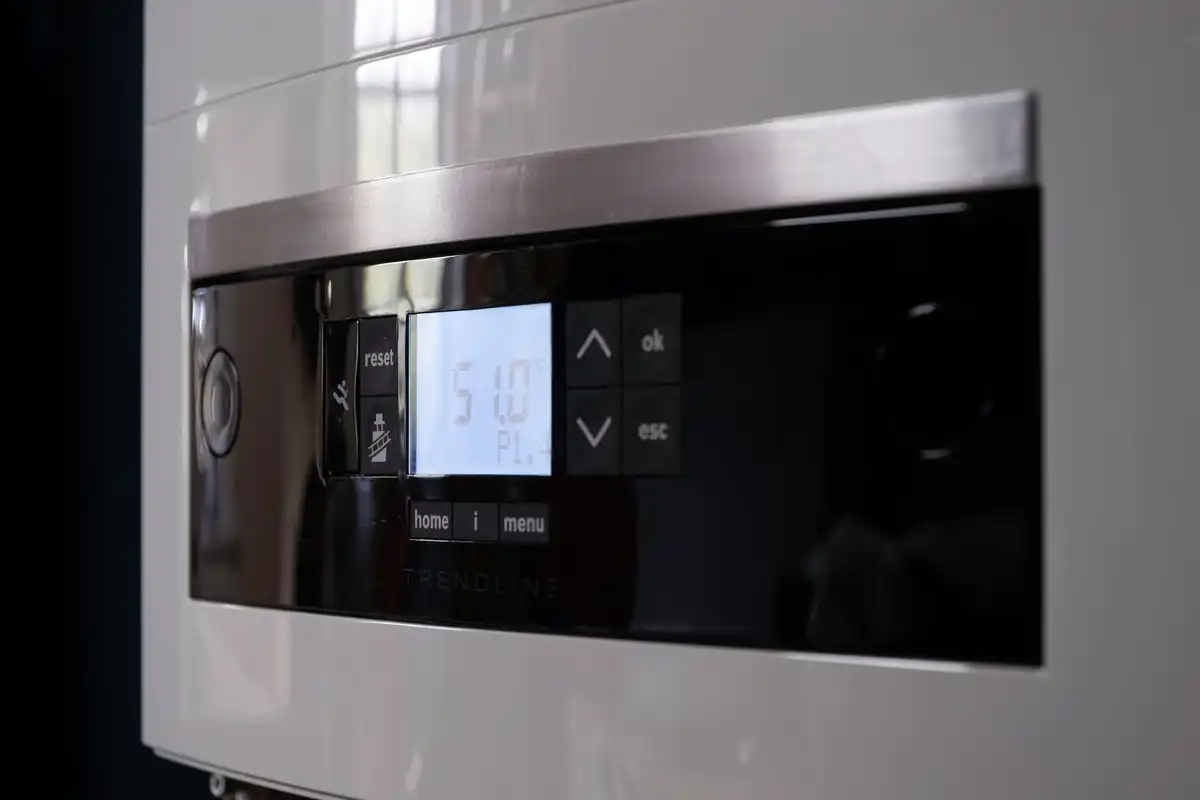
Today’s approach to home heating involves careful consideration of energy efficiency, environmental impact, and long-term cost savings. As modern home design increasingly emphasizes sustainability and smart resource management, integrating energy-efficient boilers has become a practical necessity for forward-thinking homeowners. Here’s how to go about it.
Understanding Your Boiler Options
Modern heating systems have come a long way from traditional models, offering impressive improvements in both performance and efficiency. Condensing boilers represent one of the most significant advances in home heating technology. These units capture heat from exhaust gases that would otherwise escape through the flue, achieving annual fuel utilization efficiency ratings of 90% or higher.
This technology works by cooling the exhaust gases enough to condense water vapor, releasing additional heat in the process. The efficiency gains translate directly to lower energy bills and reduced environmental impact.
Heat pumps offer an alternative approach, transferring heat rather than generating it through combustion. Air-to-water boilers extract heat from outdoor air, while ground-source heat pump boilers tap into the stable temperatures found below the earth’s surface. These systems can achieve remarkable efficiency levels, though they require more extensive installation planning.
For those seeking maximum versatility, combination boilers provide both space heating and hot water in a single compact unit, eliminating the need for separate hot water cylinders.
Meanwhile, system boilers work alongside hot water tanks to meet the demands of larger households with multiple bathrooms. If you’re exploring incentive programs, particularly in the UK, that offer financial support for heating upgrades, you can find more info about available grants and assistance programs that might offset your installation costs.
Hybrid boilers are an innovative middle ground, combining a heat pump with a traditional gas boiler to optimize efficiency across different temperature conditions. These systems intelligently switch between heat sources based on outdoor temperatures and heating demands.
Planning Your Integration Strategy
Successfully incorporating an energy-efficient boiler into modern home design requires thoughtful planning that extends beyond simply selecting equipment. The integration process should begin during the earliest design phases, ensuring that the heating system works harmoniously with the home’s architecture, insulation, and overall aesthetic.
Start by conducting a thorough assessment of your home’s heating requirements. Factors such as square footage, insulation quality, window efficiency, and local climate all influence the size and type of heating system you’ll need.
Oversizing leads to inefficient operation and unnecessary expense, while undersizing results in inadequate comfort. Working with a qualified heating professional to perform proper load calculations ensures you select appropriately sized equipment.
Location and Accessibility Considerations
Consider how the physical placement of your boiler affects both functionality and design. Modern sealed combustion units can be installed in various locations since they draw combustion air from outside rather than from the living space. This flexibility allows you to position your heating equipment in utility rooms, basements, or even specially designed closets that minimize visual impact while maintaining easy access for maintenance.
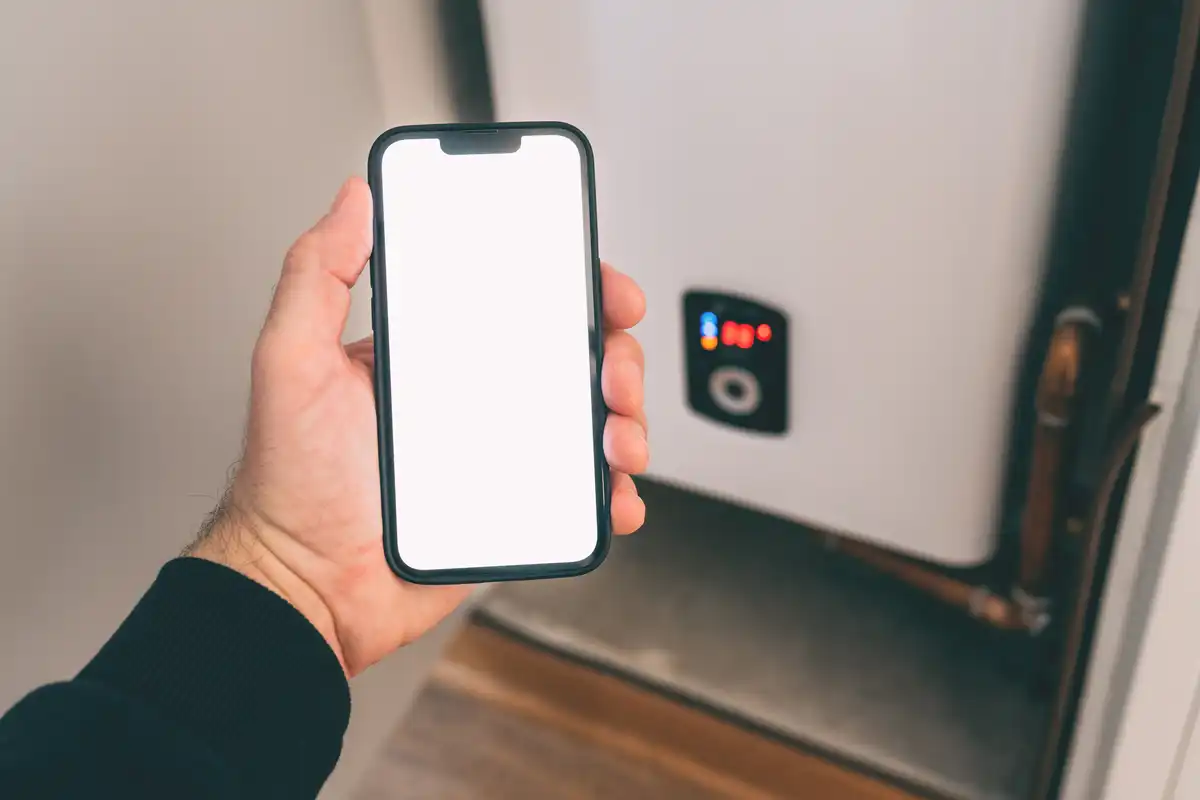
The integration of advanced controls and thermostats should be planned alongside the boiler itself. Today’s heating equipment increasingly connects to the Internet of Things, enabling remote monitoring, automated optimization, and integration with smart home systems. Planning for these connections during the design phase prevents awkward retrofitting later.
Optimizing System Design for Maximum Efficiency
Once you’ve selected your boiler type and planned its location, attention turns to optimizing the entire heating system for peak performance. An energy-efficient boiler is only as good as the system it serves, so careful consideration of distribution methods and supporting components is crucial.
Radiant heating, particularly underfloor radiant heating systems, pairs exceptionally well with modern energy-efficient boilers. These systems distribute heat evenly throughout living spaces at lower water temperatures than traditional radiators require, allowing condensing boilers and heat pumps to operate at maximum efficiency. The integration of underfloor heating tubes should be coordinated during construction or major renovations, as retrofitting can be significantly more complex and expensive.
Essential System Components
Proper sizing and installation of heat exchangers ensures efficient heat transfer from the boiler to the distribution system. Quality components minimize heat loss and maintain system performance over time. Several supporting elements deserve special attention during the design phase:
- Pipe insulation throughout the distribution network prevents energy waste as hot water travels from the boiler to radiators or underfloor heating loops
- Magnetic filters protect your heating system from debris and corrosion that can reduce efficiency and lifespan
- Electronic ignition systems eliminate the energy waste of standing pilot lights
- Advanced combustion technologies ensure complete fuel burning for maximum heat output and minimum emissions
Zone heating capabilities allow you to divide your home into separately controlled areas, heating only the spaces you’re using. This approach significantly reduces energy consumption compared to heating the entire home uniformly.
Modern system design can incorporate multiple zones controlled by programmable thermostats or smart controls that learn your patterns and adjust automatically.
Considering Future-Proof Features
As you integrate your energy-efficient boiler into your home design, thinking ahead about future needs and technological developments can save money and hassle down the road. The heating industry continues to evolve rapidly, with new efficiency standards, renewable energy integration options, and smart control capabilities emerging regularly.
If your current budget or circumstances don’t allow for the most advanced systems, design your installation with upgrade paths in mind. For instance, installing the infrastructure for solar water heating or ensuring your system can accommodate future additions like thermal storage maintains flexibility as technology advances and your needs change.
Consider efficiency systems that exceed current minimum efficiency requirements. While meeting basic standards satisfies regulations, choosing equipment with higher performance ratings provides better long-term value through reduced energy consumption. Pay attention to thermal efficiencies and combustion efficiency ratings when comparing models, as these directly impact operating costs throughout the system’s lifespan.
Taking Advantage of Incentives and Rebates
The growing emphasis on renewable energy and sustainability means that tomorrow’s home heating landscape may look quite different from today’s. Positioning yourself to take advantage of developing technologies like improved heat pump performance, hydrogen-ready boilers, or advanced hybrid systems keeps your home relevant and efficient for years to come.
Various incentive programs, including provisions in legislation like the Inflation Reduction Act, may provide tax credits or rebates for high-efficiency equipment, improving the financial equation for premium systems.
Many manufacturers of certified products and energy-efficient models participate in rebate programs that reward homeowners for choosing high-performance heating equipment. Taking time to research available incentives in your area before finalizing your purchase can yield substantial savings that offset the higher upfront cost of premium efficiency systems.
Making the Investment Work for You
Integrating an energy-efficient boiler into modern home design is a worthwhile investment in comfort, sustainability, and long-term value. The key to success lies in viewing your heating system not as an isolated appliance but as an integral component of your home’s overall design and performance.
By carefully considering your options, planning thoroughly, optimizing system design, and thinking ahead, you create a heating solution that serves your home beautifully for decades while minimizing environmental impact and operating costs.
Comments on this guide to Integrating Energy-Efficient Boilers Into Modern Home Design article are welcome.
Digitalisation
RICS Digitalisation of Construction Report 2022
Digital Architecture or Building Information Modelling
++
Building Articles
Residential Architecture
Shiver House, Finland
Design: NEON

image courtesy of architects practice
Shiver House
Comments / photos for the Integrating Energy-Efficient Boilers Into Modern Home Design page welcome