How to Integrate 1940s Wallpaper into Contemporary Architecture
21 February 2026
How to Integrate 1940s Wallpaper into Contemporary Architecture
Many people love the idea of vintage character. Clean lines, modern materials and contemporary architecture make it alluring. Someone used to contemporary architecture may wonder how on earth something as expressive as 1940s wallpaper could possibly fit in without overwhelming the space.
Will it look dated? Too busy? Like a themed restaurant instead of a home? The tension between nostalgia and modern taste is what makes this design challenge worth tackling. But here’s the thing: integrating wallpaper from another era lets you add history and texture to the present on your terms. Here’s how you can do it.
Treat 1940s Wallpaper as a Design Accent
The biggest mistake you can make is thinking you need to commit fully. You don’t. In contemporary architecture, restraint is your best friend. Instead of wrapping an entire room, let the wallpaper act as punctuation: a moment of visual interest that stops the eye and invites curiosity.
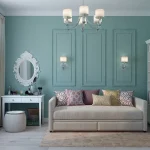
Think about a single feature wall in a living room with otherwise neutral finishes. Concrete floors, white walls, maybe a low-profile sofa. Then, boom, a patterned wall that carries the optimism and geometry of the 1940s. You’ll agree that this will make the space feel layered instead of flat, and tell a story without shouting.
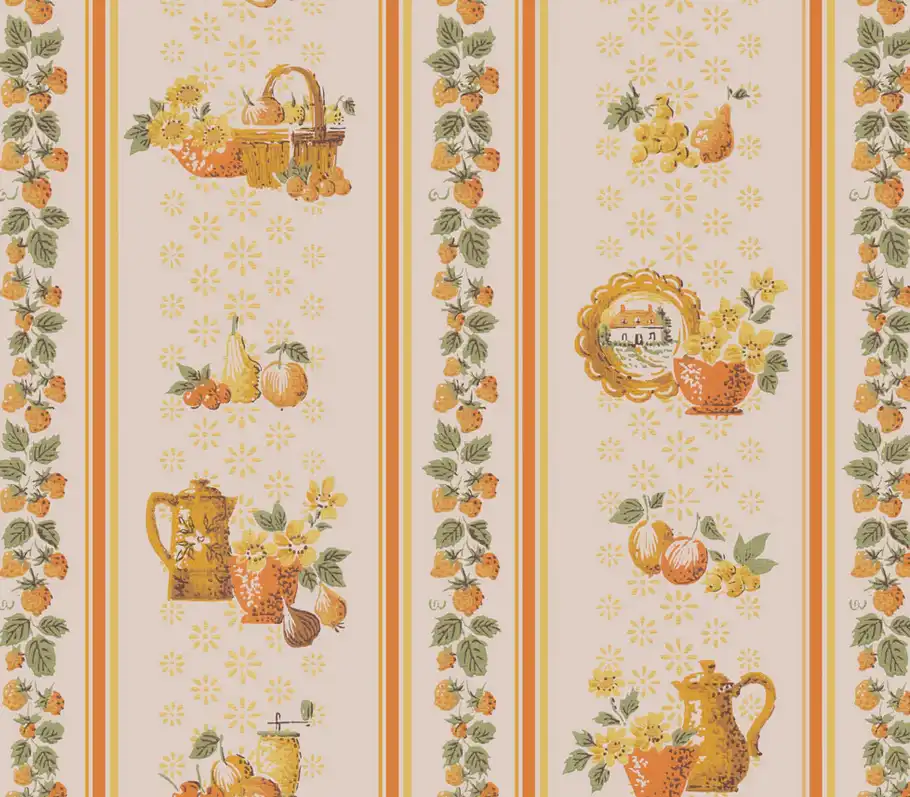
This is also where comparisons help. If you’ve ever seen wallpaper from 1950’s, you’ll notice how it often leans bolder and more playful. The 1940s, by contrast, tends to feel slightly more restrained, more graphic, and sometimes even architectural. That subtlety can work in your favor when pairing it with modern design elements.
Another smart move is to use wallpaper in transitional spaces. Hallways, powder rooms, and stair landings are places where people pass through rather than linger. These areas can handle stronger personality because they’re not asking the wallpaper to do all the emotional heavy lifting.
Balance Old Patterns with Modern Materials
Here’s where contemporary architecture earns its keep. Modern materials such as glass, steel, polished stone, and smooth plaster can create a calm backdrop that lets vintage patterns breathe. Without that balance, things can slide into visual chaos fast.
Imagine a kitchen with flat-panel cabinetry, integrated appliances, and sleek lighting. Now imagine a strip of 1940s wallpaper tucked into a breakfast nook or behind open shelving. The contrast is what makes it work.
You also want to pay attention to scale. Many 1940s patterns were designed for smaller, more enclosed rooms. In today’s open-plan spaces, those same patterns can feel lost or, worse, repetitive. Don’t be afraid to crop the pattern, frame it, or use it in panels. You know, you are allowed to reinterpret it because design isn’t a museum exhibit.
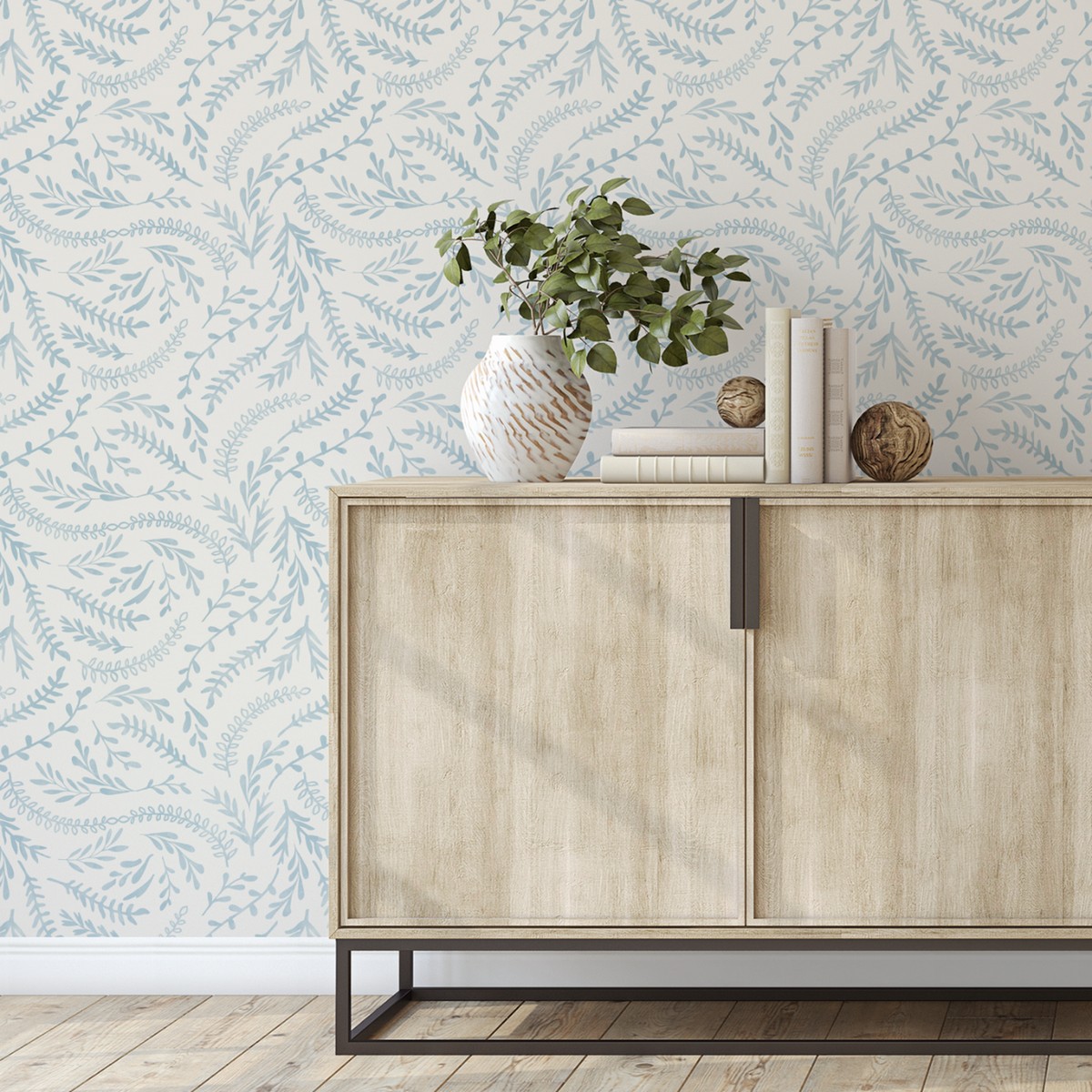
And color matters more than you think. If the wallpaper leans warm, balance it with cooler modern finishes. If it’s muted and earthy, let it sit next to crisp whites or deep charcoals. This push and pull keeps the space from feeling stuck in one era.
Let Architecture Lead, Not the Wallpaper
This part is crucial. Contemporary architecture already has a strong voice: clean geometry, intentional negative space, and often a sense of openness. Your job isn’t to compete with that. It’s to let the architecture lead and allow the wallpaper to follow.
Look at the lines of your space first. Where do walls break? Where does light naturally fall? A 1940s pattern can emphasize those architectural moments rather than fight them. For example, wallpapering the wall behind a floating staircase can highlight its structure instead of distracting from it.
Lighting also plays a bigger role here. Natural light softens vintage patterns, making them feel less heavy. Artificial light, on the other hand, can either elevate or flatten them. Warm, indirect lighting tends to bring out the richness of older designs, while harsh overhead lighting can make them feel stiff. Adjust accordingly.
Most importantly, trust your instincts. If a space starts to feel “done” too quickly, it probably is. Step back. Live with it for a moment. Contemporary design thrives on breathing room, and vintage elements shine brightest when they’re not overcrowded. Integrating 1940s wallpaper into contemporary architecture is about balance, confidence, and a willingness to let different eras coexist. You’re not trying to recreate history but borrowing from it, selectively and thoughtfully. When you treat wallpaper as an accent, balance it with modern materials, respect the architecture, and layer in furniture and art with intention, something interesting will happen.
Comments on this guide to Integrate 1940s wallpaper into contemporary design – home vintage architecture style article are welcome.
Wallpaper + Interior Design
Wallpaper and Interior Design Posts
Best peel and stick wallpapers for home
Make your home beautiful with peel and stick wallpaper
++
Buildings
Residential Architecture
Comments / photos for the Integrate 1940s wallpaper into contemporary architecture style advice guide page welcome.