How to Renovate a Virginia Home on a Budget Without Sacrificing Style
August 25, 2026
Renovating a home does not have to mean stripping every room down to the studs or spending six figures. For Virginia homeowners, a thoughtful renovation can focus on the areas that make the biggest visual and functional difference while keeping costs under control. From paint and lighting to flooring and energy-efficient upgrades, small changes can create a polished home that feels more comfortable today and remains appealing to future buyers.
The key is knowing where to spend, where to save, and which projects you can realistically complete yourself.

1. Start With a Clear Budget and Renovate in Phases
Before buying materials or tearing anything out, decide which improvements matter most. Separate essential repairs from cosmetic upgrades, then rank projects according to urgency, cost, and expected impact.
This becomes especially important when considering the cost of gutting and remodeling a home. Whole-home renovations can easily climb into six figures depending on square footage, materials, structural work, and labor. Instead of tackling the entire property at once, divide the renovation into manageable phases.
For example, start with repairs and energy improvements, move on to high-use rooms such as the kitchen and bathroom, and save purely decorative changes for later.
Keep a contingency fund as well. Setting aside roughly 10% to 20% of the renovation budget can help cover hidden plumbing problems, outdated electrical work, structural damage, permits, or other surprises discovered during construction.
2. Focus on High-Impact DIY Projects
Some of the most noticeable home improvements are also among the simplest.
Fresh paint can instantly brighten dated rooms, while changing cabinet knobs, drawer pulls, faucets, or light fixtures can modernize a kitchen or bathroom without replacing major components. Homeowners can also create accent walls using paint or removable wallpaper, install floating shelves for extra storage, or refresh window treatments.
Flooring can also be updated affordably. Peel-and-stick tiles, laminate, vinyl planks, or even strategically placed rugs can improve tired spaces without the expense of premium hardwood or stone.
DIY projects are best reserved for jobs that can be completed safely. Painting, basic demolition, decorating, shelving, and simple fixture replacements can reduce labor costs, while electrical, plumbing, HVAC, roofing, and structural work are generally better left to qualified professionals.

3. Spend Strategically on Kitchens and Bathrooms
Kitchens and bathrooms often have an outsized influence on how a home feels, but upgrading them does not necessarily require a complete remodel.
Instead of replacing kitchen cabinets, consider repainting or refinishing them and installing new hardware. Adding an affordable backsplash can introduce color and texture, while laminate or butcher-block countertops may deliver a fresh appearance at a lower cost than premium stone.
Bathroom improvements can follow the same strategy. New faucets, mirrors, lighting, cabinet hardware, and low-flow fixtures can make the room feel newer while also improving water efficiency.
Choose one or two elements that deserve a larger portion of the budget and save elsewhere. For instance, homeowners might invest in durable flooring while selecting moderately priced fixtures. Mixing premium focal points with affordable finishes can create a more sophisticated result without overspending.
4. Improve Comfort Through Energy-Efficient Upgrades
Virginia homes experience both hot summers and cold winters, making energy efficiency an important part of renovation planning.
Improving insulation, sealing drafts, and maintaining an efficient heating and cooling system can make rooms more comfortable while potentially reducing utility costs. Where the budget allows, energy-efficient windows, appliances, or smart thermostats can further improve performance.
Smaller upgrades can make a difference as well. Fixing leaking faucets, installing low-flow fixtures, and using energy-efficient lighting are relatively accessible projects. Homeowners can also make greater use of natural daylight by adjusting window treatments and furniture placement.
Outside, native landscaping and strategically positioned trees can add curb appeal while helping shade the home during warmer months.
5. Refresh the Exterior Without a Major Rebuild
A home renovation should not stop at the front door. Exterior improvements can dramatically change the property’s appearance without requiring major construction.
Painting the front door, updating house numbers, replacing exterior lighting, adding window boxes, cleaning walkways, or refreshing landscaping can create a stronger first impression. A simple outdoor seating area can also add functional living space without the expense of a full addition.
These projects can be particularly worthwhile for homeowners who expect to sell their house fast in Virginia in the future. A cared-for exterior can help a property appear more inviting while signaling that the home has been maintained.
Prioritize repairs before decorative improvements, however. Damaged siding, roofing problems, drainage issues, or deteriorated steps should be addressed before spending heavily on cosmetic upgrades.
6. Renovate With Resale Value in Mind
Style matters, but a renovation should also support the home’s long-term value.
If you expect to stay for many years, there is more room to personalize spaces around your tastes. If a sale may be only a few years away, broader design choices may make more sense. Neutral paint, durable flooring, functional storage, updated kitchens and bathrooms, and attractive exterior features tend to have wider appeal.
Local housing conditions should also influence how much you invest. Markets can vary considerably across Virginia, and buyers’ purchasing power can shift as mortgage rates change. Rather than assuming every improvement will generate an equal return, consider what buyers in your particular area are likely to value.
Comparing several contractor estimates can also help keep larger projects aligned with local pricing.
Renovate Smarter, Not Bigger
A stylish Virginia renovation does not require changing everything at once. The most budget-conscious approach is to prioritize necessary repairs, break larger projects into phases, handle safe DIY jobs yourself, and spend more selectively on improvements that have the greatest impact.
Fresh paint, updated hardware, better lighting, practical flooring, improved energy efficiency, and thoughtful curb appeal can collectively transform a home without an excessive budget. By keeping a contingency fund and balancing personal style with resale considerations, homeowners can create spaces that are more attractive, efficient, and comfortable while protecting the home’s long-term value.
Comments on this guide to How to renovate a Virginia home on a budget, USA home refurb article are welcome.
Kitchen Design
Kitchen Articles
Installing Modular Kitchen in Your Home
Selecting the Right Storage Cabinets for Your Kitchen
Natural Stone Countertops in Your Kitchen
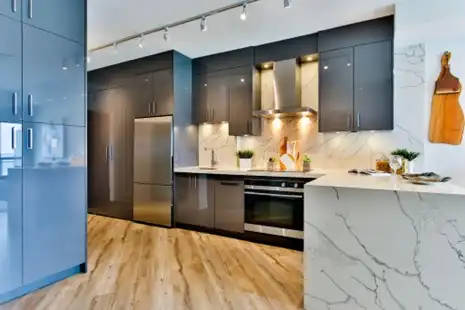
photo : Lotus Design N Print on Unsplash
++
Building Articles
Residential Architecture
Comments / photos for the How to renovate a Virginia home on a budget, USA home refurb advice guide page welcome