
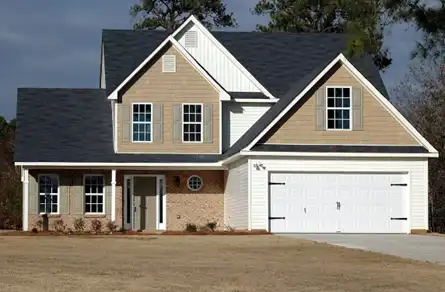
The Property Path: How to Navigate Building a New Home
December 1, 2025
Building a new place brings a mix of excitement and nerves. Many people look for growing areas near major cities like Dallas, TX, because these regions offer fresh opportunities and steady growth. Families often want more comfort, more control, and a layout that matches how they move through their day. This means planning early often helps the entire process feel smoother. In this guide, we will discuss each stage so you know what to expect. From setting early goals to preparing for move-in day, each part plays a clear role. With the right approach, the process feels easier to manage and far less overwhelming.
Here’s how you can get started:
Start With a Clear Vision
A clear plan gives you a strong starting point. Think about the size you want, how many rooms you prefer, and the style that feels right. Many people think about future plans too, so the place supports them for years. You can list your must-have features first and then write down the elements that feel flexible. This helps you stay focused and avoid quick decisions that feel off later. Talk with people who share the space with you, and compare ideas. When everyone agrees on the basics, planning moves forward without confusion.
Consulting Construction Experts
Many people look at building sites and new communities near Dallas and want guidance from people who understand the area well. When you speak with construction experts, you get a clear picture of new homes for sale near Dallas TX and new neighborhood designs. The local communities include walkable trails, calm open areas, and flexible layout choices. You also see lot maps, design features, and nearby conveniences that help you understand what daily life may feel like there. These experts help you compare layouts, review plans, and see what each area offers before you make a commitment.
Set a Realistic Budget From the Start
A budget helps you stay grounded as you plan. List your spending limit first and look at the basic expenses that come with building. This often includes the land, design work, materials, and labor. You may want a small buffer for changes that come up along the way. Many people compare estimates from different teams so they understand the range before they start. Keep track of each figure in writing so nothing slips your mind. When you stay honest about what you can handle, the rest of the planning feels more relaxed. A budget also gives you confidence as you choose features and make decisions.
Choose the Right Lot for Your Needs
The lot you choose affects how your daily routine feels. Think about how close you want to be to community areas, walkways, or main roads. Some families want a quiet corner, while others like being in the center of activity. Sunlight matters too, especially if you enjoy bright rooms or cooler spaces during warm months. Ask about future plans in the area so you know what to expect later. A map of the neighborhood helps you compare different spots. Think about traffic, parking, and how you move between rooms once the place is standing. Each detail shapes how comfortable the final result feels.
Finalize a Floor Plan That Fits Your Daily Life
The right floor plan shapes how you use each room. Think about the number of bedrooms you want, how much storage you need, and where you spend most of your time. Many people like an open kitchen area, while others prefer more separation. Consider how you cook, work, relax, and host guests. Walk through sample plans in person if possible. You learn how the flow feels, which helps you decide faster. Look at future needs too, including extra space for guests or hobbies. When your floor plan matches your lifestyle, the place feels more comfortable and practical for years.

image source : pexels.com
Review Materials and Design Elements Carefully
Material choices shape the look and comfort of your place. Think about flooring, counters, wall colors, and lighting. Visit showrooms when possible so you can see each option in person. This helps you understand texture, quality, and how the colors play together. Make a list of your preferences and compare them with your budget. Some people focus on long-lasting materials to reduce the need for changes later. Others prioritize style. Try to balance both so you feel proud of the final result. When you take your time with these choices, it becomes easier to feel confident in every detail.
Understand the Construction Timeline
Construction follows a series of steps. You often see early groundwork first, then framing, wiring, and finishing. Each stage takes time, and weather or supply delays may slow things down. This is normal, so steady communication helps you stay updated. Ask your builder for a rough schedule before work begins so you understand how long each stage takes. Keep checking in as things progress. If something changes, you learn about it early. When everyone stays informed, the process feels smoother and more organized. A clear timeline also helps you plan your move-in date and other personal arrangements.
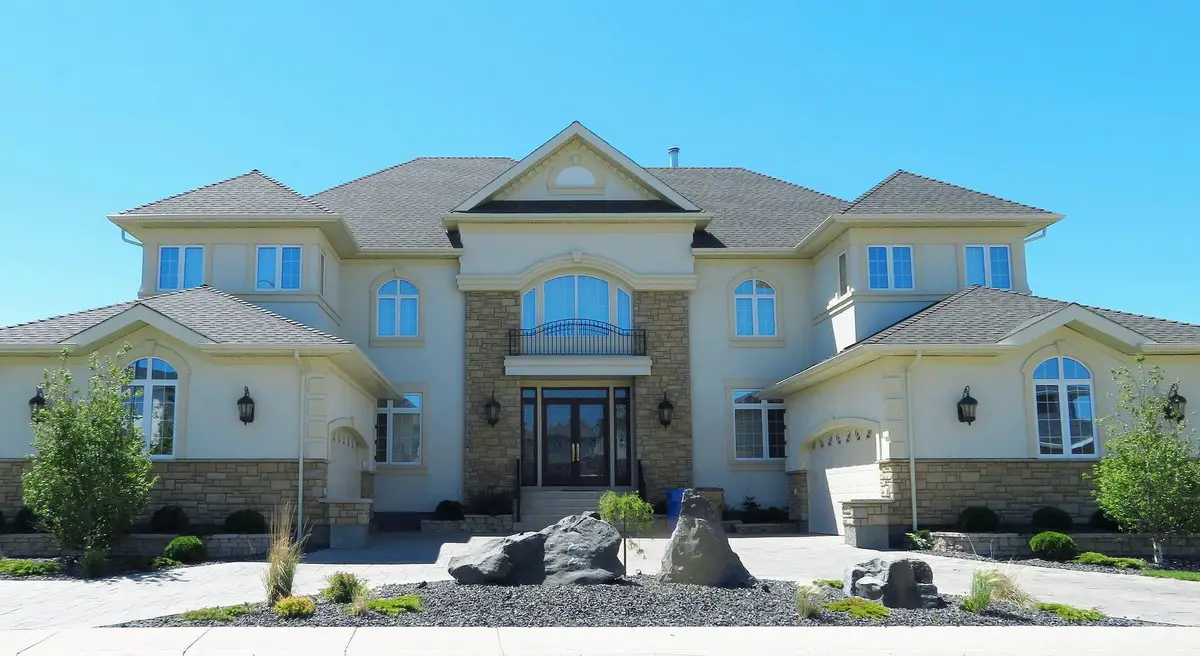
image source : pixabay.com
Arrange Inspections Along the Way
Inspections help you catch concerns early. You can schedule them at key stages so you understand how the work is progressing. Some people hire independent inspectors for extra peace of mind. These inspections often review framing, electrical work, and final details. When you walk through the site, ask questions and take notes. This helps you follow each update and learn about the materials and methods used. You also feel more confident knowing the structure meets clear quality standards. With consistent inspections, you stay informed and involved without feeling overwhelmed by technical details.
Building a new place can feel like a big project, but the journey becomes manageable when you understand each stage. A solid plan, clear communication, and steady involvement help the process run smoothly. When you stay honest about your needs and your budget, decisions become easier. Each choice brings you closer to a place that matches your lifestyle. Whether you focus on the layout, design details, or the lot, every step plays a role. With patience and the right guidance, you reach the moment when you can walk into a place that fits your style and your daily routine.
Comments on this guide to The Property Path: How to Navigate Building a New Home in TX, USA article are welcome.
American Houses
Residential Architecture USA – selection:
Lantern House, Austin, Texas
Design: Dick Clark + Associates
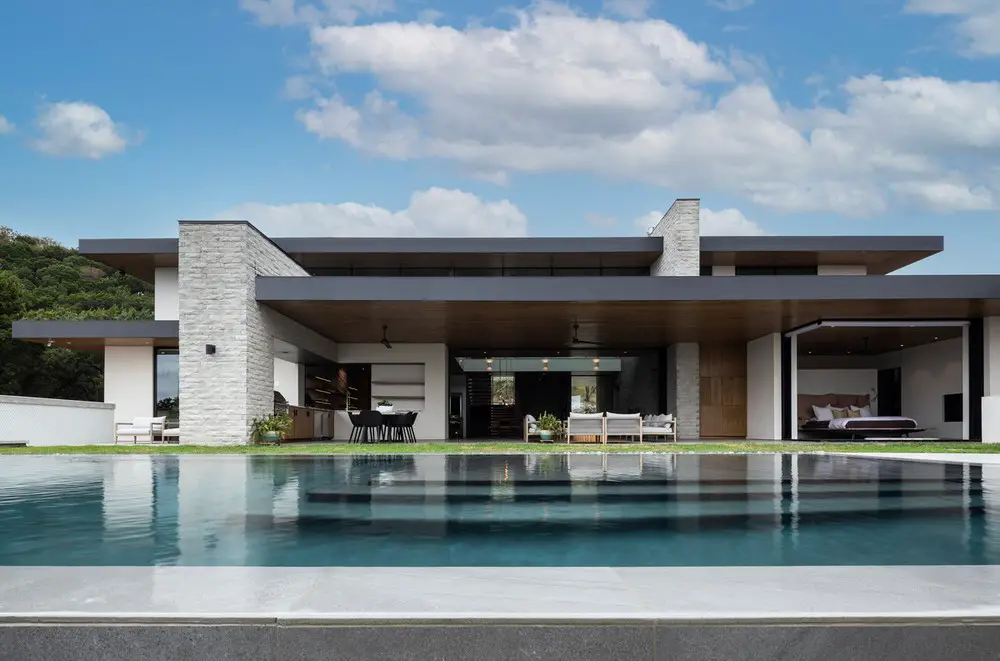
photo : Jake Holt
Gloucester House, Fore Store Virginia>, Fore Store, Virginia
Design: ARCHITECTUREFIRM
The Savviest Realtor Grande Prairie, USA
++
Home Articles
Residential Architecture
Comments / photos for the How to navigate building a new home in TX, USA page welcome

