How to Make a Wooden Fence Last 20+ Years in Damp Conditions
7 January 2026
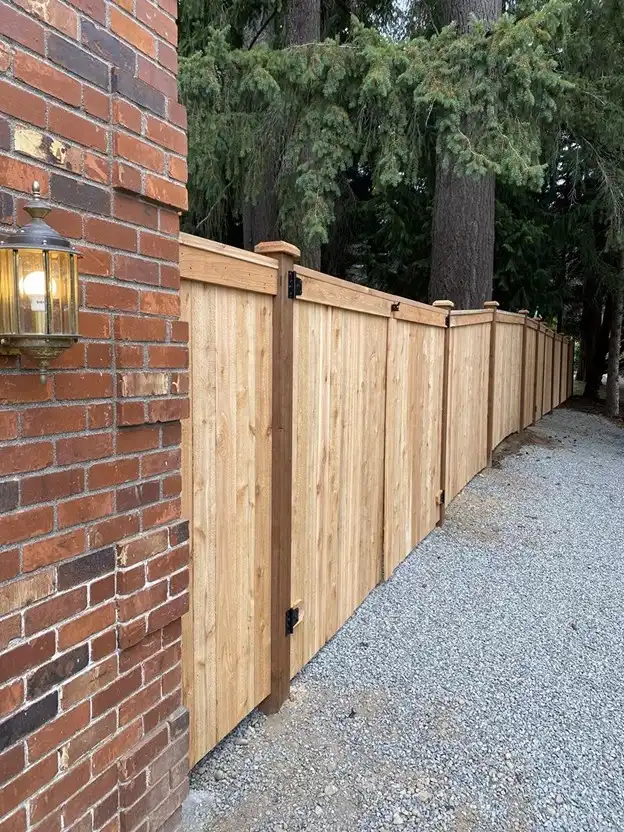
Wooden fences bring warmth and charm to a property. But in damp climates, moisture can slowly break them down if the right steps are not taken. Rain, wet soil, and limited sunlight all work together to shorten the life of wood.
The good news is this: with smart choices and steady care, a wooden fence can last 20 years or more—even in wet conditions. This guide explains exactly how to protect a fence from moisture damage and keep it strong for decades.
Why Moisture Is the Biggest Threat to Wood
Wood naturally absorbs water. In damp environments, this happens again and again, which causes long-term damage.
Common moisture-related problems include:
- Rot and decay
- Warping and splitting
- Mold and mildew growth
- Weak or failing fence posts
When wood does not have time to dry, damage starts inside the fibers. Preventing constant moisture exposure is the key to long-lasting fences.
Start With the Right Wood Choice
Some wood types handle moisture better than others.
Better-performing options for damp areas include:
- Cedar
- Redwood
- Pressure-treated lumber
These materials resist rot and insects more effectively. Choosing durable wood upfront reduces the risk of early failure and lowers maintenance needs later.
Fence Posts Matter More Than You Think
Fence posts take the most abuse because they sit in the ground where moisture is constant.
To protect posts:
- Set them in gravel for better drainage
- Seal the base before installation
- Avoid direct contact with wet soil when possible
Poor post installation is one of the most common reasons fences fail early.
Keep Wood Off the Ground
Wood should never rest directly on soil.
When boards touch the ground:
- Moisture is absorbed nonstop
- Rot spreads quickly
- Insects gain easy access
Leaving a small gap between the fence and ground allows airflow and helps wood dry after rain.
Seal the Fence to Block Moisture
Applying a quality wood sealer is one of the most effective protective steps.
A good sealer:
- Repels water
- Slows cracking
- Extends the wood’s lifespan
Sealing should be done soon after installation and repeated every few years. Many homeowners rely on guidance from trusted fence installation experts when choosing sealers that work best in wet climates.
Choose Stain Instead of Paint
Paint may look clean at first, but it often traps moisture inside the wood.
Stain is a better option because it:
- Soaks into the wood
- Allows moisture to escape
- Wears down gradually instead of peeling
Oil-based stains tend to perform better in damp conditions.
Improve Airflow Around the Fence
Airflow helps wood dry faster, which reduces the chance of rot.
Simple ways to improve airflow include:
- Trimming bushes and plants near the fence
- Avoiding dense landscaping against boards
- Leaving small gaps between panels if design allows
A fence that dries quickly after rain lasts much longer.
Manage Drainage Along the Fence Line
Standing water near a fence is a serious problem.
Improve drainage by:
- Sloping soil away from the fence
- Redirecting roof runoff
- Using gravel near posts
Water should always flow away from the fence, not toward it.
Clean the Fence at Least Once a Year
Dirt, algae, and mildew hold moisture against wood.
Yearly cleaning helps by:
- Removing buildup
- Reducing mold growth
- Helping sealers work better
Use gentle washing methods to avoid damaging the surface.
Inspect Early and Fix Small Issues Fast
Minor problems become major repairs if ignored.
Check yearly for:
- Soft or dark wood
- Loose boards
- Cracks near posts
- Mold or insect activity
Quick fixes prevent damage from spreading. Many property owners consult top rated fence installation specialists when deciding whether a repair or partial replacement makes more sense.
Avoid Constant Sprinkler Contact
Sprinklers can soak a fence every day without it being obvious.
To reduce damage:
- Adjust spray direction
- Reduce overspray
- Use drip irrigation near fence lines
Constant artificial moisture is just as harmful as rain.
Use Moisture-Resistant Hardware
Fasteners play a big role in fence durability.
Choose:
- Galvanized nails or screws
- Stainless steel hardware
These resist rust and help keep joints strong over time.
Plan Long-Term Maintenance
A wooden fence needs regular care to survive damp conditions.
A simple plan includes:
- Annual inspections
- Periodic cleaning
- Resealing every 2–3 years
Small efforts spread over time make a huge difference in lifespan.
Final Thoughts
Moisture does not have to destroy a wooden fence early. With the right materials, smart installation, and consistent maintenance, a fence can remain strong and attractive for over 20 years—even in damp climates.
Protecting wood from constant moisture is not about one big fix. It is about many small, smart decisions made over time. When those decisions are done right, a wooden fence can stand strong for decades.
Comments on this guide to How to make a wooden fence last in damp conditions for homeowners article are welcome.
Garden Fences
Fencing Posts
Choosing a Wood and Metal Fence for Your Home
Choose best fence for your garden and yard
Top 5 reasons why a fence is good for your home
++
Building Articles
Residential Architecture
Comments / photos for the How to make a wooden fence last in damp conditions page welcome