
How to Know When You Need a Roof Replacement
27 January 2026
Your roof is one of the most important parts of your home, protecting your family and belongings from the elements. However, many homeowners are unsure when repairs are no longer sufficient and a full replacement is necessary. Knowing the warning signs early can help you avoid costly damage and unexpected emergencies.
Below are the most common indicators that it may be time to consider a roof replacement.
1. Your Roof Is Nearing the End of Its Lifespan
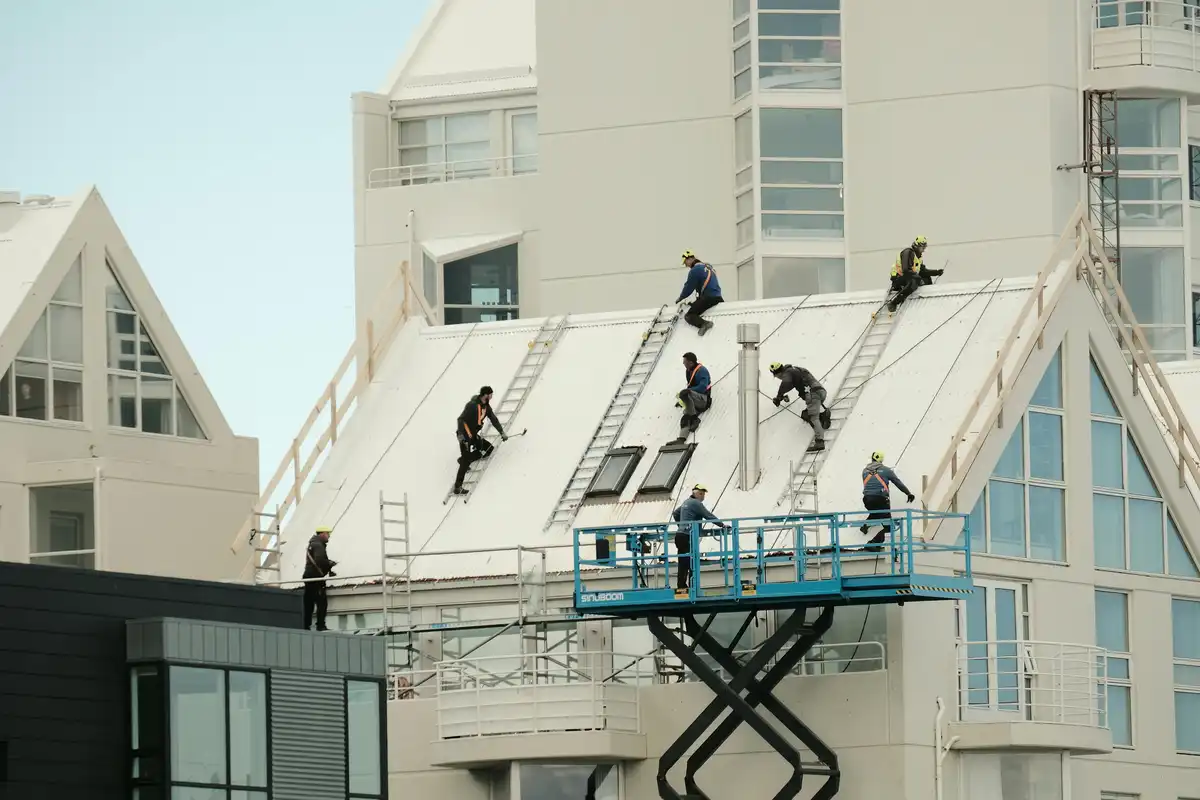
Most roofing materials are designed to last a specific number of years. Asphalt shingles typically last 20–25 years, while metal, tile, and slate roofs can last much longer. If your roof is approaching or has exceeded its expected lifespan, replacement should be strongly considered—even if visible damage seems minimal.
Older roofs are more vulnerable to leaks, structural issues, and weather-related damage, making proactive replacement a safer and more cost-effective option.
2. Shingles Are Curling, Cracking, or Missing
Damaged shingles are a clear sign that your roof is deteriorating. Curling or buckling shingles often indicate age or poor ventilation, while cracked or missing shingles usually result from storms or long-term wear.
When damage is widespread across the roof rather than limited to a small area, repairs may no longer be sufficient. In these cases, a roof replacement provides better long-term protection and value.
3. Frequent Leaks or Water Damage Inside Your Home
Water stains on ceilings or walls, damp insulation, or mold growth are serious warning signs. Even small leaks can lead to major structural damage if left unaddressed.
If leaks continue despite multiple repairs, your roofing system may be failing. A full replacement can eliminate recurring issues and protect your home from further water damage.
4. Granules in Gutters or Bald Shingles
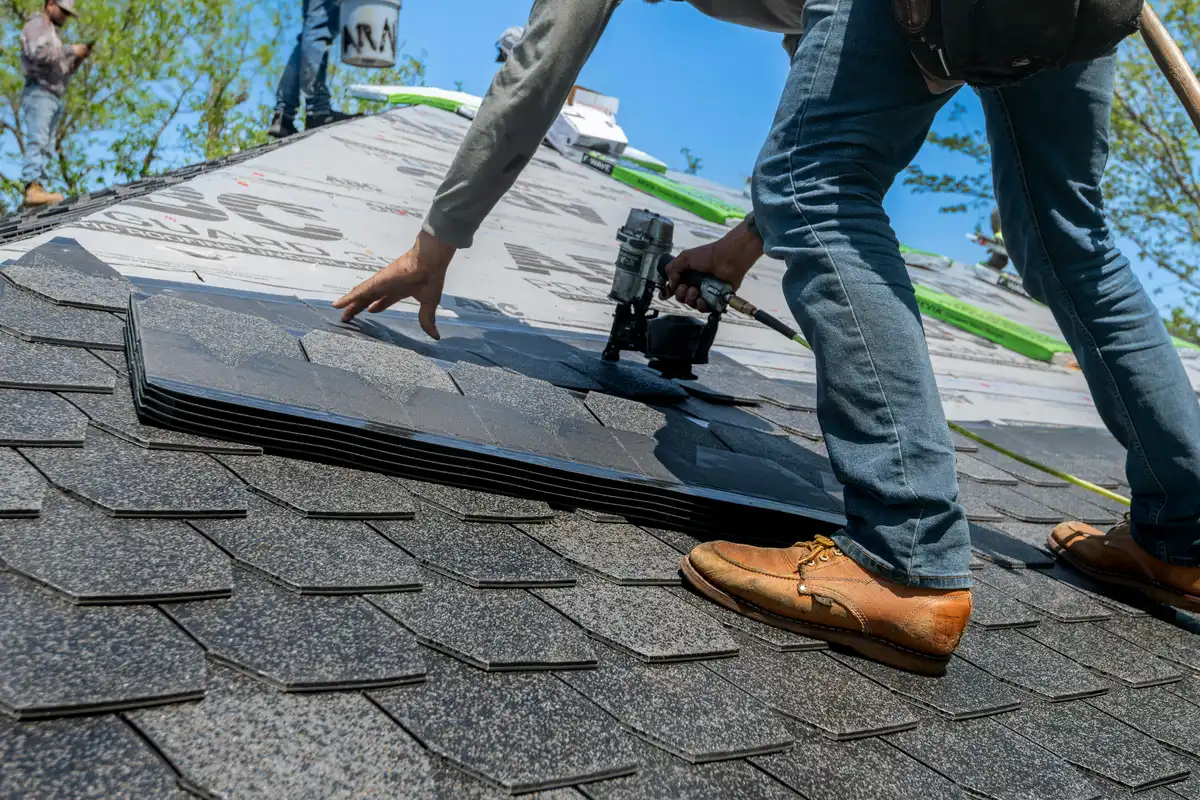
Asphalt shingles are coated with protective granules that help shield your roof from UV rays and weather exposure. If you notice excessive granules collecting in your gutters or downspouts, it means your shingles are wearing out.
Bald or smooth shingles lack adequate protection and are far more likely to fail, signaling that your roof is nearing the end of its life.
5. Sagging Roof or Structural Issues
A sagging roof is a serious concern that often points to structural problems, such as rotting decking or compromised supports. This damage can be caused by long-term moisture exposure or poor installation.
If you notice dips, uneven rooflines, or sagging areas, a professional inspection is critical. In many cases, a roof replacement is necessary to restore structural integrity and ensure safety.
6. Rising Energy Bills and Poor Ventilation
An aging or damaged roof can negatively affect your home’s energy efficiency. Cracks, gaps, and poor ventilation allow air to escape, forcing your HVAC system to work harder.
If you’ve noticed a steady increase in energy costs, your roof may be contributing to the problem. Replacing it with modern materials and proper insulation can improve efficiency and overall comfort.
7. Storm or Hail Damage
Severe weather can cause hidden damage that isn’t always visible from the ground. Hail, strong winds, and heavy rain can weaken shingles, flashing, and underlayment.
After a major storm, it’s wise to have your roof inspected by a professional. If damage is extensive, replacement may be more effective than repeated repairs—especially when insurance coverage is involved.
8. When Professional Guidance Matters
Knowing when to replace your roof isn’t always obvious. That’s why working with experienced professionals is essential. Just as homeowners rely on skilled roofers for inspections and replacements, roofing companies rely on roofing SEO services to ensure homeowners can easily find trusted contractors online when they need them most.
Choosing the right roofing professional ensures accurate assessments, quality materials, and long-term peace of mind.
Conclusion: Don’t Wait Until It’s Too Late
Recognizing the signs that you need a roof replacement can save you from expensive repairs and prevent further damage to your home. From aging materials and damaged shingles to leaks and structural concerns, early action is key.
If you suspect your roof may be nearing the end of its lifespan, schedule a professional inspection as soon as possible. A timely roof replacement not only protects your home but also adds value, improves energy efficiency, and provides lasting protection for years to come.
Comments on this Home roof replacement timing guide article are welcome.
Home Roofing
Roofing Posts
What You Need to Know About Replacing Your Roof
Why consider eco-friendly metal roof installation
10 helpful tips to avoid leaking roofs
++
Homes
Residential Architecture Articles
Comments / photos for the How to know when you need a roof replacement guide page welcome.