How to enhance commercial spaces for efficiency
Running a commercial building today can feel like juggling competing demands. You want lower running costs, happier occupants and spaces that adapt as work patterns change, all without constant disruption. Efficiency plays a big role, but not in the old sense of cutting back or switching things off.
When your building responds intelligently to how people actually use it, daily operations tend to run more smoothly. You spend less time dealing with complaints or faults and more time getting value from the space you manage.
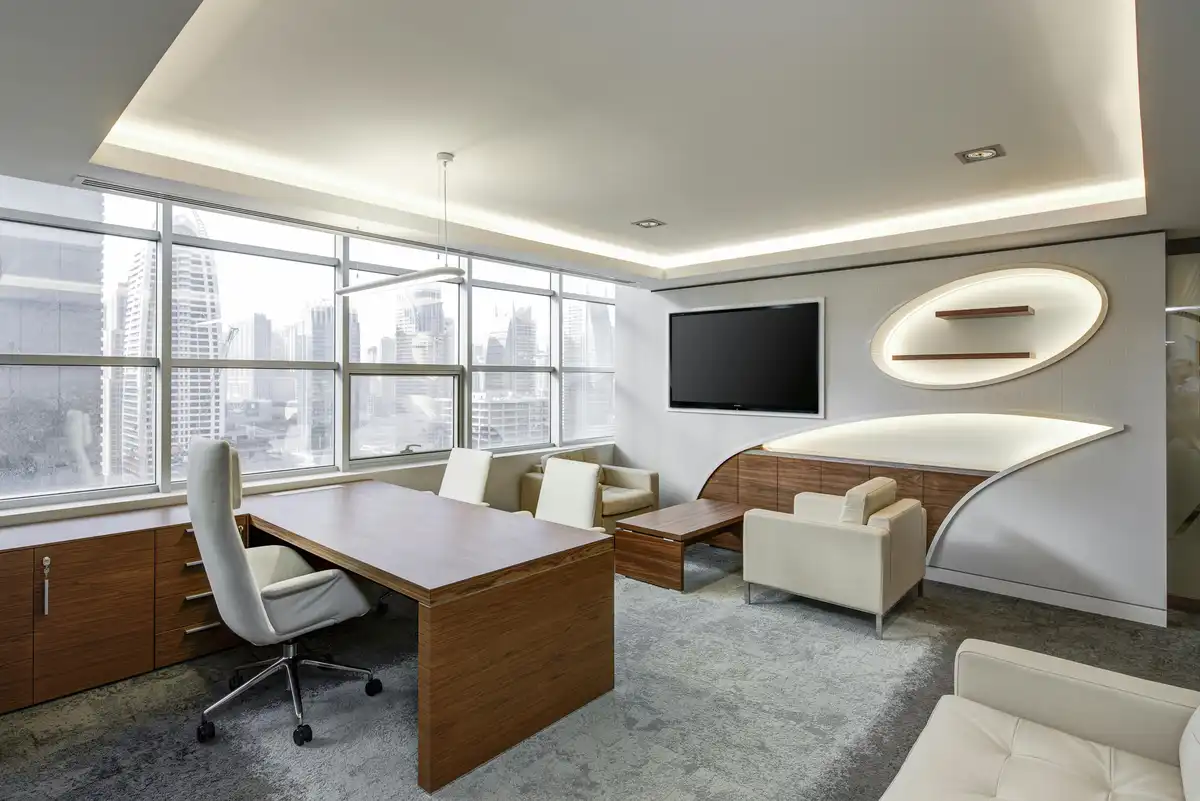
Benefits of smart infrastructure
Occupancy sensors, connected meters and environmental monitors show you where energy goes and when people use different areas. With that information, you can fine-tune systems so they support real behaviour rather than fixed assumptions. For instance, if one floor empties early most evenings, the building can ease back heating and cooling there while keeping other areas comfortable.
You also reduce risk and hassle. When plant and equipment report performance issues early, you avoid sudden breakdowns that disrupt staff or customers. Maintenance becomes more planned and predictable, which usually costs less and causes fewer headaches.
Over time, the data builds a clear picture of what works and what does not, helping you justify future upgrades with confidence. Industry bodies such as the UK Green Building Council consistently highlight that monitoring and responding to real building data plays a major role in cutting energy waste.
Practical applications
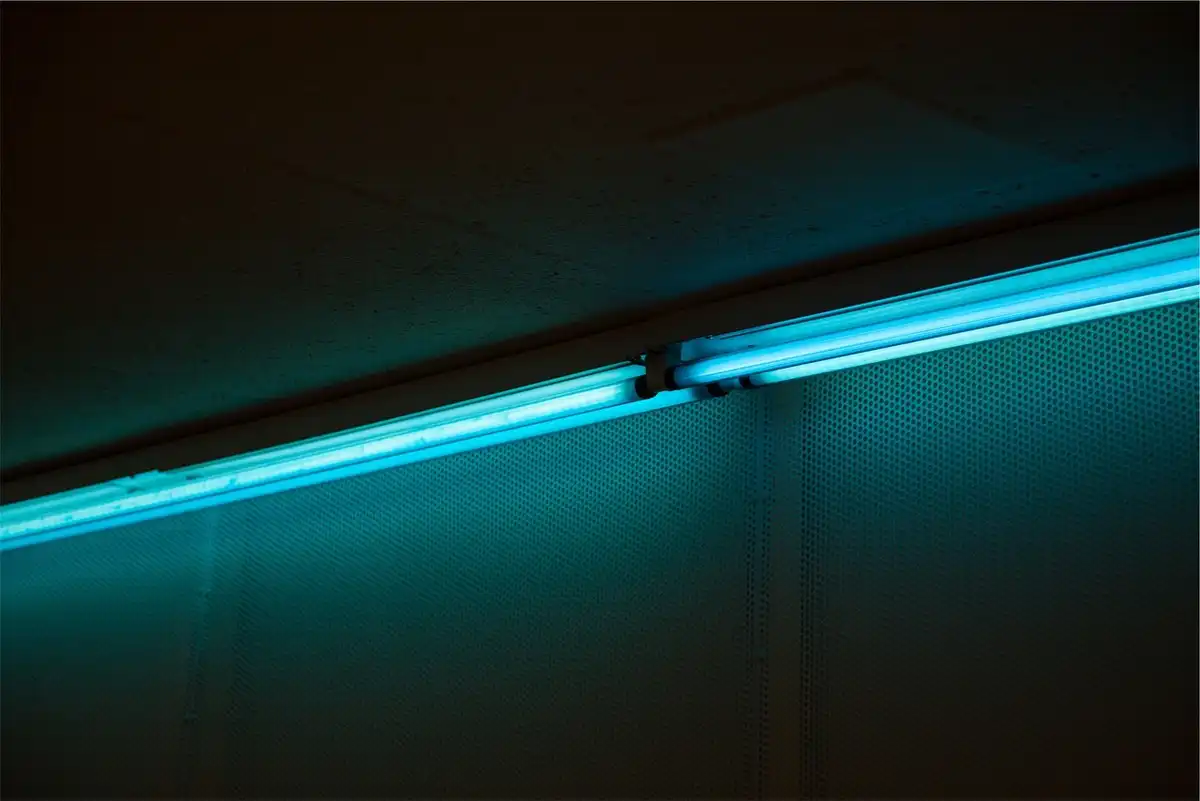
Lighting is often the easiest win. By dividing floors into zones and linking them to daylight and occupancy, you avoid lighting empty or naturally bright areas. In corridors, reception desks or display units, LED strip lights work well because they deliver even light, use little energy and fit neatly into existing features without major building work.
Heating, cooling and ventilation also benefit from smarter control. Instead of running at full output based on the clock, systems can respond to how many people are present. In a shared office, this means fresher air during busy mornings and less energy use during quieter afternoons.
These changes rarely draw attention, but occupants notice fewer stuffy rooms and more stable temperatures.
Considerations
Before you invest, spend time reviewing occupancy patterns and pain points with your facilities team. In older properties, you may need to upgrade in stages so new controls integrate properly with existing systems. Clear communication helps here, as staff feel more comfortable when they understand why changes happen.
You should also plan for change. Choose systems that adapt easily if layouts shift or tenants change, as this avoids repeating work later. When you focus on flexibility and practical outcomes rather than flashy features, smart upgrades tend to deliver steady improvements that support both people and budgets over the long term.
Comments on this guide to How to enhance commercial spaces for efficiency article are welcome.
Lighting Articles
Lighting Posts
Getting your home filled with light
How Lighting Influences Mood and Productivity
Tips To Choose the Right Lighting for Your Home
Best Solar Light Manufacturers In China
How to Use Lighting, Space and Material in Architectural Design
++
Building Articles
Residential Architecture
Comments / photos for the How to enhance commercial spaces for efficiency page welcome.