
How to design a home for less stress
16 January 2026
Your home deserves to be a sanctuary, a space where you can feel safe, relaxed and recharged. Yet, for many, home life often becomes a source of stress, whether it’s due to factors like clutter or lack of space.
The key to designing a home that reduces stress lies in creating a functional, calming environment. By making thoughtful decisions about how your home works for you, you can create a space that supports your wellbeing and minimises daily frustrations.
Simplify your layout and declutter
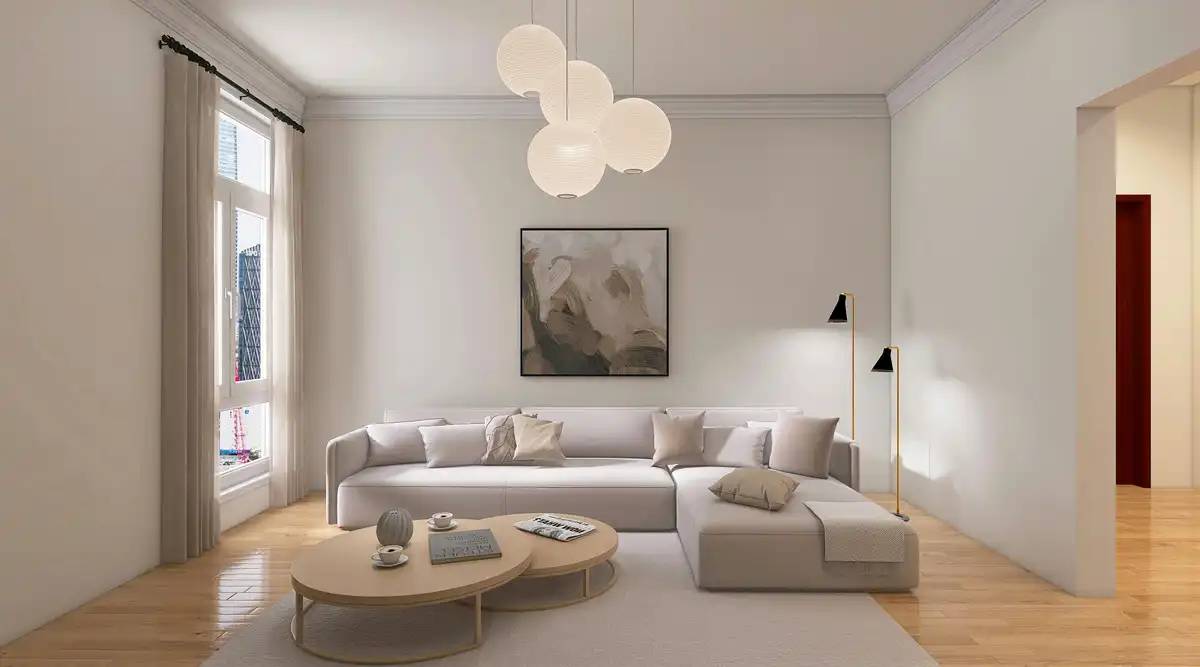
A clean, tidy space naturally promotes peace of mind. If you’ve ever walked into a room overwhelmed by clutter, you’ll know how quickly it can drain your energy.
One of the easiest ways to create a less stressful home is by reducing excess items. Start by assessing the things you use regularly and get rid of anything you no longer need. You can also replace generic décor with meaningful print on demand products from platforms like Printful, helping you keep your space minimal yet personal. Implementing clever storage solutions is another worthwhile step – hidden compartments or multi-purpose furniture can help you keep the essentials organised without sacrificing looks.
Think about the layout of your rooms, too. Open spaces allow for easy movement and an unencumbered flow of energy. Try to avoid overcrowding your living areas with unnecessary furniture. Instead, focus on creating spaces that allow for both functionality and relaxation.
Maximise natural light and ventilation
Nothing feels more suffocating than a dark, poorly ventilated room. You can easily transform the atmosphere of a space by letting in more natural light.
This doesn’t always mean knocking down walls or installing large windows – sometimes a simple change, like swapping out heavy curtains for lighter, more breathable fabrics, can make a noticeable difference. You’ll immediately feel more connected to the outdoors, and this tends to bring positive changes to your mood.
In addition to light, proper airflow is crucial for a stress-free environment. Stale air can make even a well-decorated room feel stuffy and uncomfortable. Open windows when possible, or ensure your home has proper ventilation. A well-ventilated space can help you feel more alert and at ease.
Create spaces for relaxation and privacy
Having a designated space to unwind is essential. Whether it’s a quiet reading nook, a comfortable sofa for watching your favourite shows, or a peaceful corner for meditation, these zones of solitude allow you to recharge. It’s important that these areas feel personal and inviting, so consider incorporating soft textures and comfortable furnishings.
Privacy also plays a key role in reducing stress. Design your home in a way that gives each family member their own space for personal time. Whether through the use of partitions or simply arranging furniture to create a sense of separation, these areas can help everyone feel more at ease.
Invest wisely in home improvements
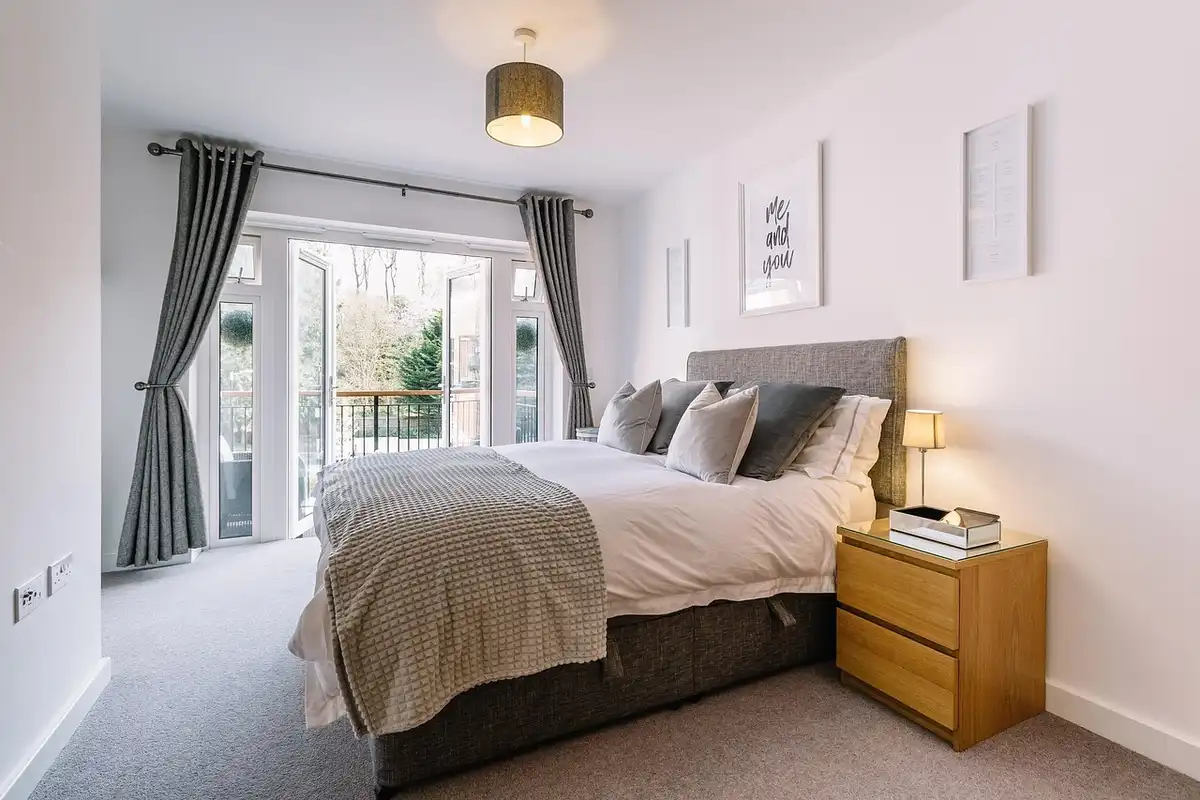
While home improvements can be costly, investing in your home often has lasting benefits. If you’re considering updating your space, look for areas that will provide the most value in terms of comfort and functionality. This could be upgrading your kitchen, creating a more open-plan living space, or improving insulation to make your home more energy-efficient.
If funds are tight, consider home improvement lending options that can help spread the cost over time. You could increase your home’s value, but also create a more peaceful and supportive environment for daily life.
Creating living spaces for less stress takes thoughtful, mindful decisions that prioritise your needs and wellbeing. Focus on simplicity to transform your home into a place that nurtures your mental and emotional health.
Comments on this guide to How to design a home for less stress article are welcome.
Home Art Canvas Prints
Home Wall Arts Canvas Prints
Panoramic canvas prints for large walls
Large Wall Arts Canvas Prints Ideas
How Wall Art Can Boost Your Home Value
++
Buildings
Residential Architecture Articles
Comments / photos for the How to design a home for less stress guide page welcome


