
How to Design a Budget-Friendly Interior Without Compromising Style
24 April 2026

images source : pexels.com
A stylish home does not depend on a luxury budget. In most rooms, the biggest difference comes from proportion, restraint, and a few smart choices that improve how the space works day to day. Good interiors feel intentional. They do not need to look expensive to feel cohesive.
That is why practical upgrades often matter more than dramatic makeovers. Paint, lighting, layout, and affordable blinds can shift the mood of a room, solve privacy issues, and make a space look more finished without forcing a full renovation.
For readers trying to balance aesthetics with cost, the goal is simple: choose a clear style direction, spend where performance matters, and avoid decorative purchases that add clutter but not value.
Understanding Modern Interior Design Styles on a Budget
Choosing a design direction first saves money later. The U.S. Bureau of Labor Statistics defines interior designers as professionals who make indoor spaces functional, safe, and beautiful by determining space requirements and selecting essential and decorative items, which is a useful reminder that style should always support how a room is actually used.
What Is Transitional Interior Design and Why It Works
If you have ever asked, “What is transitional interior design?”, the short answer is this: it blends traditional comfort with modern simplicity. Think clean-lined furniture paired with softer textures, classic shapes without ornate detailing, and a restrained palette that feels current rather than trend-driven.

It works especially well on a budget because it gives you room to keep what is still functional. A wood dresser, a neutral sofa, or inherited side tables can stay in the room if the surrounding pieces are edited carefully. That flexibility makes transitional rooms easier to build gradually, which is often the smartest path for real households.
A close cousin is modern traditional interior design, which keeps the familiar structure of classic interiors but pares back the fuss. For budget-conscious readers, that means fewer statement purchases and more emphasis on balance, scale, and finish.
Popular Budget-Friendly Styles to Consider
Earthy interior design is one of the easiest looks to create without overspending because it relies on materials and colors that already feel grounded: clay tones, warm wood, linen textures, matte ceramics, and greenery. The palette hides well and tends to age gracefully.


Beige interior design has also moved beyond the flat, builder-grade version many people remember. Used well, beige creates a calm base that makes inexpensive furniture look more refined. The key is variation: combine warm and cool undertones, add texture through rugs or woven shades, and avoid matching everything too closely.
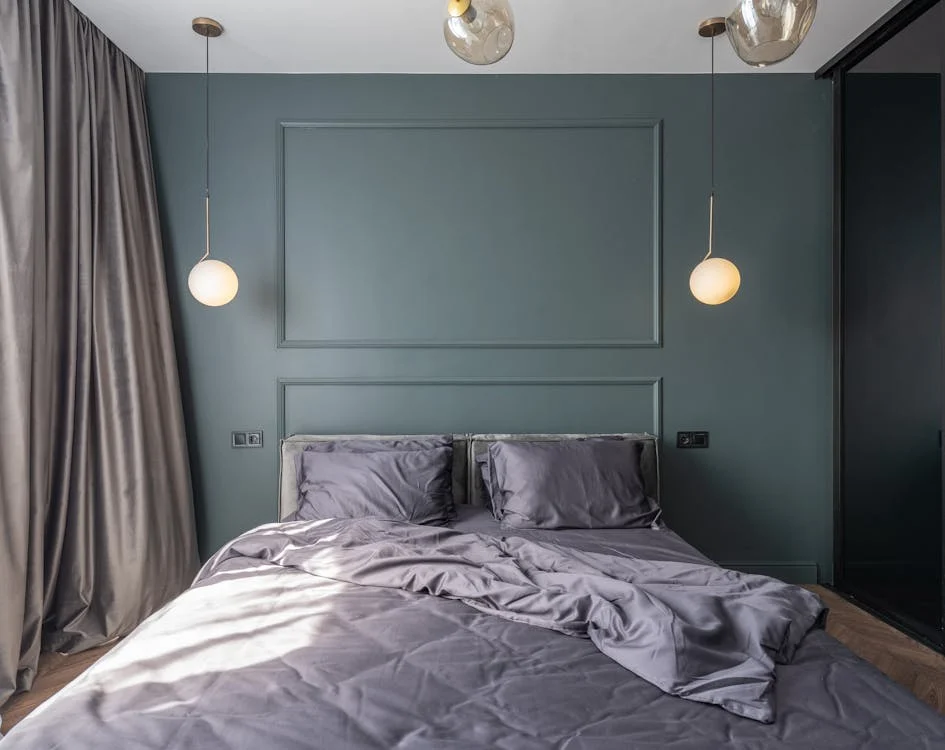
For people who want color without committing to something loud, interior design sage green is practical and forgiving. It pairs well with oak, black accents, brushed metals, and off-whites, so you can update a room with paint or textiles instead of replacing major pieces.
Organic Modern and Sustainable Interior Design
Organic modern interior design combines the clean lines of modern spaces with natural materials, softened forms, and a calmer palette. In practice, it often means fewer items, better texture, and more breathing room. That is helpful on a budget because simplicity reduces the pressure to over-decorate.

Sustainable interior design is often misunderstood as expensive, but the most realistic version is simply about making choices with longer life and lower impact. Reusing furniture, choosing washable textiles, and selecting low-emission finishes can all be part of that. The EPA notes that indoor air quality affects the health and comfort of occupants, and that building materials, furnishings, and products can be ongoing pollution sources, which is one reason low-VOC paints and more considered material choices are worth prioritizing.

Two practical benefits come from this approach:
- Fewer but better-chosen pieces reduce waste and visual clutter.
- Natural finishes often look better with age than glossy, trend-based surfaces.
Smart Budget Design Principles That Make the Biggest Impact
Not every design choice carries equal weight. In most homes, the biggest visual gains come from surfaces, lighting, textiles, and anything that affects scale or sightlines. Small objects matter less than people think.
Where to Save vs Where to Invest
Save on decorative accessories, trend-led side tables, and items you may want to change in two years. Invest more carefully in seating, mattresses, rugs for heavy-traffic areas, and window treatments that affect comfort and privacy every day.
| Category | Usually Fine to Save | Usually Worth Investing |
| Furniture | Accent tables, open shelving, entry benches | Sofa, dining chairs, bed frame |
| Finishes | Decorative hardware, temporary wallpaper | Flooring repairs, durable paint |
| Soft goods | Throw pillows, seasonal decor | Rug pad, blackout lining, upholstery fabric |
| Function | Simple lamps | Task lighting, quality window coverings |
A useful rule is to spend on items you touch constantly or rely on for performance. Save on pieces that are mostly visual and easy to upgrade later.
Using Color and Texture Instead of Expensive Materials
You do not need marble, custom millwork, or designer wallpaper to create depth. Texture is usually a better value. Limewash-style paint, woven baskets, nubby upholstery, ribbed glass, and natural-fiber rugs create a layered look at a fraction of the cost of premium hard finishes.


This is also where restraint helps. A limited palette with varied surfaces almost always feels more sophisticated than a room trying to compensate with too many colors, prints, and shiny accents. When the base is simple, even modest furniture reads as intentional.
Functional Design Solutions for Modern Homes
Functionality is often what separates a room that photographs well from one that actually feels good to live in. That matters even more in apartments, compact homes, or family spaces where every item needs to earn its place.
Why Window Treatments Matter More Than You Think
Window treatments shape a room visually, but they also manage glare, privacy, and comfort. The U.S. Department of Energy notes that about 30% of a home’s heating energy is lost through windows, and in cooling seasons, about 76% of sunlight hitting standard double-pane windows enters as heat. DOE also states that blinds can reduce summer heat gain and glare, while shades and other attachments can improve comfort and lower energy use, depending on fit and operation.

That is why a budget interior should not treat window coverings as an afterthought. A simple, well-fitted blind or shade can make a room feel more polished while also helping with light control, privacy, and day-to-day usability. In practical terms, this is one of the rare upgrades that improves both appearance and performance.
Practical Solutions for Small and Multi-Use Spaces
In tiny house interior design, every decision has to do two jobs. A bench becomes storage, a wall lamp frees floor space, and a light-filtering shade keeps a room bright without exposing it completely. The lesson applies to apartments too: if an item is only decorative, it should be visually strong enough to justify the space it takes.

The same logic appears in cabin interior design, where compact footprints, changing light, and durable finishes matter more than decorative excess. Rooms feel stronger when the material palette is limited, and the furniture plan is honest about circulation. A smaller space usually benefits more from better editing than from more stuff.
Applying Budget Design in Different Interior Contexts
Budget design is not only a residential question. The same principles show up in workspaces, retail environments, and hybrid spaces where appearance has to support a specific function.
Residential Spaces vs Commercial Interior Design


Residential design is usually more personal. Comfort, privacy, and long-term livability lead the decisions. Commercial interior design, by contrast, often prioritizes traffic flow, durability, brand presentation, and maintenance. That is why finishes in offices, waiting areas, and hospitality spaces are judged differently than finishes in a home.
In shop interior design, the budget often goes further when layout and lighting are handled first. Customers respond to clarity. Clean sightlines, controlled brightness, and a restrained palette usually outperform decorative overkill. The lesson for homes is similar: a room feels more expensive when it is easy to read.
Industrial Interior Design on a Budget

Industrial interior design is popular partly because it can work with honest, affordable materials. Black metal, wood tones, concrete-look finishes, open shelving, and utilitarian lighting all contribute to the look without requiring luxury-grade products.
The mistake is making it feel cold. A budget-friendly industrial room still needs softness, whether through curtains, a textured rug, warm bulbs, or upholstered seating. Otherwise, the style starts to feel unfinished rather than intentional.
Common Budget Design Mistakes to Avoid
A lower budget leaves less room for trial and error. That makes editing and planning more important, not less.
Trying to Follow Every Trend
Trend overload is one of the fastest ways to waste money. If one corner is organic modern, another is farmhouse, and another is ultra-gloss contemporary, the room starts to feel accidental. Pick a core direction and let trends show up in smaller items that can be replaced easily.

Ignoring Functionality for Aesthetics
A room that looks stylish but overheats, lacks storage, or has no privacy will not feel successful for long. This is especially relevant in open-plan apartments and multi-use rooms where the visual idea has to survive real life.
Overspending on Low-Impact Items
People often overspend on decor before fixing the fundamentals. Framed prints, decorative objects, and small trend purchases add up quickly, but they do not correct poor lighting, awkward layout, or bare windows. Those basics usually deliver a stronger return.
How to Build a Stylish Interior Step-by-Step
For beginners, a step-by-step plan keeps the project manageable and prevents random spending.

Step 1: Choose a Core Style
Start by identifying one direction from the many types of interior design styles available. Transitional, organic modern, industrial, and soft contemporary are all workable on a realistic budget. Save a few reference images, then look for what repeats: colors, shapes, finishes, and mood.
Step 2: Define a Budget and Priorities
Break the budget into categories instead of treating it as one loose number.
| Priority Level | Focus |
| First | Paint, lighting, window privacy, basic layout |
| Second | Rug, seating comfort, storage |
| Third | Art, side tables, styling accessories |
This prevents overspending early and helps you protect money for items that affect everyday comfort.
Step 3: Focus on High-Impact Changes First
Start with what changes the room immediately: wall color, layered lighting, furniture placement, and well-chosen window treatments. After that, add texture and a few decorative details. It is usually smarter to complete the room in stages than to buy everything quickly and replace half of it later.
Creating a Stylish Interior Without Overspending
Good design is not defined by price. It comes from clear decisions, a consistent style direction, and choices that improve the way a room looks and works.
When style and function support each other, the result feels more convincing. That is true whether you are updating a rental, refining a family home, or simply trying to make one room feel calmer and more complete.
The strongest budget interiors rarely come from a major renovation. They come from smaller, well-judged upgrades that solve real problems, use materials thoughtfully, and make the space feel intentional from the moment you walk in.
Comments on this guide to Curtains vs blinds advice article are welcome.
Home Curtains
Property Curtains
Creating movement in architecture with curtains
Best ways to hang sheer curtains at home
How curtains can change your office look
++
Building Articles
Residential Architecture
Comments / photos for the How to Design a Budget-Friendly Interior Without Compromising Style guide page welcome.


