How to Choose the Perfect Epoxy Floor Color for Your Home or Business
6 February 2026
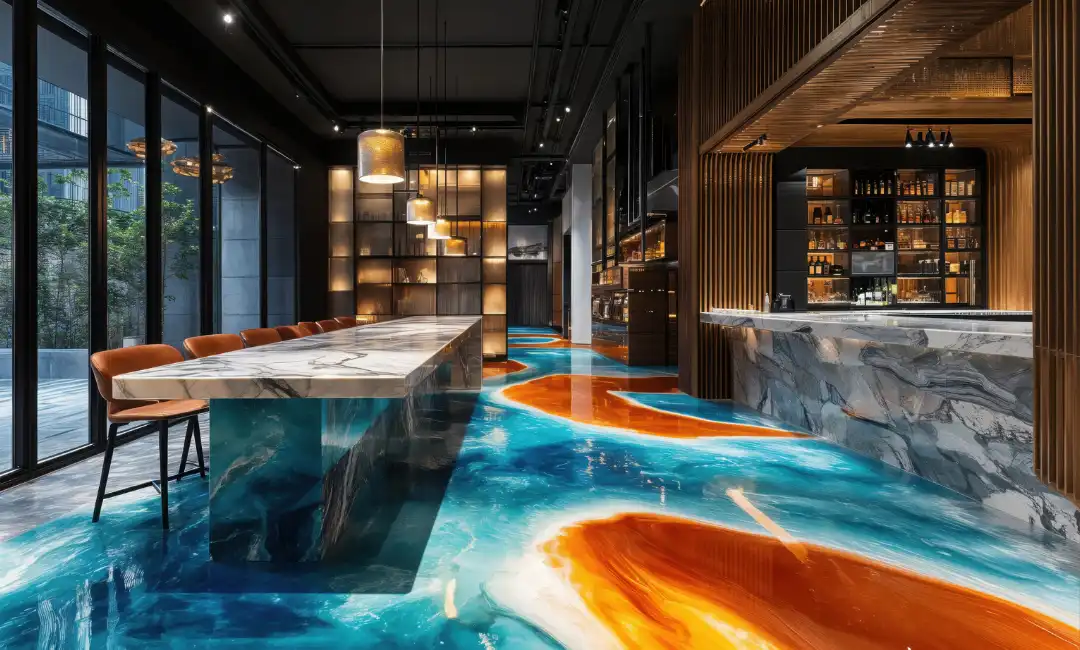
Epoxy flooring has become a defining surface choice in modern residential and commercial architecture. Beyond durability and performance, color selection plays a critical role in how a space feels, functions, and ages over time. Choosing the right epoxy floor color is not about trends alone. It is about understanding light, scale, purpose, and long term use.
Early in the planning phase, many architects and property owners reference expert resources such as Ryan Resin and their detailed guide on Epoxy Floor Colors to better understand how color interacts with epoxy materials across different environments. These insights help frame decisions that are both aesthetic and practical.
This guide explores how to select epoxy floor colors for homes and businesses in a way that supports architectural intent while maximizing performance.
Why Epoxy Floor Color Matters
Color affects perception. In flooring, it influences how large a space feels, how clean it appears, and how well it hides wear. With epoxy, color is even more impactful because the finish is seamless and reflective.
The best epoxy floor color can enhance architectural lines, complement materials like concrete or steel, and create visual continuity across rooms or zones. Poor color choices, on the other hand, can make spaces feel sterile, dated, or visually overwhelming.
Because epoxy floors are designed to last many years, color decisions should balance style with longevity.
Understanding Epoxy Floor Color Options
Epoxy floor color options extend far beyond solid gray. Modern systems allow for layered pigments, flakes, metallic effects, and custom blends.
Common categories include:
Solid neutral tones such as white, light gray, and charcoal
Decorative flake blends that add texture and depth
Metallic epoxy finishes with movement and light reflection
High contrast colors used for zoning or branding
Each option behaves differently under light and foot traffic. Solid colors emphasize cleanliness and minimalism. Flake systems are forgiving and practical. Metallic finishes are expressive and architectural but require careful placement.
Understanding these differences is essential before committing to a palette.
Choosing Epoxy Flooring Colors for Homes
Residential epoxy flooring colors are increasingly popular in kitchens, basements, living spaces, and garages. Home environments benefit from colors that feel warm, balanced, and adaptable.
Light gray and soft beige tones help reflect natural light and create openness. These shades work well in modern homes with large windows or open floor plans. For contemporary interiors, warm grays with subtle undertones avoid the cold appearance sometimes associated with industrial epoxy.
In private living areas, bold colors should be used sparingly. Accent zones or transitions are better suited for stronger hues, while primary living spaces benefit from timeless neutrals.
Garage Epoxy Floor Colors and Practical Design
Garage epoxy floor colors require a different approach. Function comes first, but design still matters.
Mid tone grays with flake systems are among the most popular choices because they hide tire marks, dust, and minor stains. Blue gray and earth toned blends offer visual interest without appearing busy. Bright white or black floors can look striking but often require more maintenance.
Garages that double as workshops or gyms benefit from lighter colors that improve visibility and safety. The goal is balance between aesthetics and day to day usability.
Epoxy Floor Colors for Businesses and Commercial Spaces
Commercial epoxy floor colors must align with branding, safety standards, and customer experience. Retail spaces often use lighter or branded tones to create openness and guide movement. Industrial and warehouse environments favor neutral, durable finishes that mask wear.
Epoxy floor colors for businesses are frequently selected to define zones. Walkways, work areas, and restricted sections can be differentiated through color without physical barriers. This approach improves navigation and compliance while maintaining a clean visual flow.
In hospitality and office settings, commercial epoxy floor colors should support comfort and professionalism. Soft neutrals and subtle textures help reduce glare and visual fatigue.
Lighting and Its Impact on Epoxy Color Selection
Lighting dramatically affects how epoxy colors appear. Natural daylight enhances lighter tones and reveals texture. Artificial lighting can intensify gloss and shift color temperature.
Before finalizing a color, it is essential to evaluate samples under actual lighting conditions. A gray that appears warm in daylight may feel cool under LED lighting. Metallic finishes, in particular, change character throughout the day as light angles shift.
Designers should consider ceiling height, window placement, and fixture type when selecting epoxy floor colors.
Long Term Performance and Timeless Choices
Trends evolve, but floors remain. The most successful epoxy flooring colors are those that age gracefully and adapt to future changes in furniture, branding, or layout.
Neutral bases with subtle variation tend to outperform bold, trend driven colors over time. For residential projects, this ensures resale appeal. For commercial spaces, it allows for rebranding without replacing flooring.
The best epoxy floor color is one that supports function, complements architecture, and remains visually relevant for years.
Final Thoughts
Choosing the perfect epoxy floor color is both a design decision and a strategic investment. By understanding epoxy floor color options, evaluating lighting and use cases, and selecting palettes appropriate for residential or commercial environments, architects and property owners can create spaces that feel cohesive and enduring.
Whether planning epoxy flooring colors for homes, garage epoxy floor colors, or commercial epoxy floor colors for businesses, informed color selection ensures that epoxy flooring enhances architecture rather than competing with it.
Comments on this guide to How to choose the perfect epoxy floor color – strng building flooring material article are welcome.
Epoxy Flooring
Building Epoxy Floors
Epoxy garage floor coatings

photo source : pixabay.com
A Perfect Metallic Epoxy Floor
Are epoxy floors a wise investment for your garage
5 Benefits of Painting Epoxy Floors
++
Flooring Posts
Choose the Best Flooring for Your Home
Choosing the Right Floor Material
++
Building
Residential Architecture Articles
Comments / photos for the How to Choose the Perfect Epoxy Floor Color for Your Home or Business page welcome.