How to Care for Antique Wood Furniture the Right Way
16 August 2026

Antique furniture usually gets treated exactly like modern furniture. Same spray polish, same cloth, same quick wipe down on a Sunday morning. It seems harmless enough, but this is where a lot of damage to older pieces actually begins.
The reason is simple. Antique wood is almost never finished the way modern furniture is. The coating sitting on top is older, softer and far more sensitive to certain products. So when you care for an antique, what you are really caring for is that finish. Look after it properly and the piece will stay in good shape for generations. Get it wrong and the damage is often permanent.
Here is what actually works, what to keep well away from your furniture, and when the job needs someone with proper training.
Know What Finish You Are Dealing With First
Before cleaning anything, you need to know what is on the surface. Most antique furniture carries one of four finishes: shellac, wax, old varnish, or lacquer on later pieces. Shellac is the most common on furniture made from the nineteenth century onward, and it also happens to be the most fragile of the group.
Checking is easy. Dip a cotton bud in denatured alcohol and dab it on a hidden spot, such as the back of a leg or the underside of a drawer. If the finish softens, turns sticky or lifts onto the bud, you have shellac. If nothing happens at all, you are most likely dealing with varnish, lacquer or an oil finish.
That one small test changes everything that follows, because shellac dissolves in alcohol. This is not a minor weakness. It means any product containing alcohol will mark the surface the moment it touches it.
Shellac is also the finish behind French polishing, the traditional hand method where very thin layers are built up over many hours to create the soft glow people associate with fine antiques. If your piece has that look, treat it as shellac until you know otherwise.
The Habits That Do the Most Good
Good antique care is mostly about small, unglamorous habits repeated over years. There is nothing complicated about any of it:
- Dust regularly with a soft dry cloth. Dust is slightly abrasive, so anything placed on a dusty surface grinds it in and leaves fine scratches behind.
- Use coasters and trivets every single time. Heat and moisture are the two quickest ways to mark an old finish, and both are entirely avoidable.
- Keep pieces out of direct sunlight. Sunlight fades the finish and slowly makes the wood underneath brittle.
- Move furniture away from heaters and vents. Air near heaters, fireplaces and air conditioning outlets is the driest and changes fastest, which stresses old timber.
- Lift objects instead of sliding them. A bowl dragged across a table does more harm than a year of ordinary use.
None of that costs a cent. Done consistently, it protects an antique better than anything you can buy in a bottle.

What Should Never Touch Antique Wood
This is the part worth remembering, because most accidental damage comes from products people assume are perfectly safe.
- Anything containing alcohol. Rubbing alcohol, methylated spirits and alcohol based sprays cause instant white haze on shellac, or take the finish off completely.
- Hand sanitiser. This one catches a lot of people out. It is mostly alcohol, and it ends up on armrests, tabletops and chair backs constantly without anyone thinking twice.
- Ammonia and glass cleaners. Far too harsh for finishes that were never built to handle modern chemicals.
- Silicone based spray polishes. They give a quick shine, then leave residue in the surface that makes proper restoration much harder later on. Restorers dislike these more than almost anything else.
- General purpose wood sprays. Most contain solvents that were designed for modern sealed finishes, not old ones.
- Too much water. A soaking wet cloth can lift veneer and swell joints, especially on pieces held together with old glue.
When you are unsure about a product, the safe answer is simply not to use it.
How to Clean Antique Furniture Safely
When a piece genuinely needs cleaning rather than a quick dust, keep the whole thing simple:
- Dust the entire piece first with a dry soft cloth so nothing gets dragged across the surface.
- Mix a very small amount of mild dish soap into warm water.
- Dip a soft cloth in, then wring it out until it is barely damp. It should feel almost dry against your hand.
- Test on a hidden section first and wait a moment to see how the finish reacts.
- If all looks fine, wipe the rest gently, always following the direction of the grain.
- Go over it straight away with a clean dry cloth to lift any moisture left behind.
That really is the whole process. Slower and gentler beats faster and stronger every time when antiques are involved.
Wax, Patina and What Not to Fix
A coat of good quality natural wax once or twice a year adds shine and a light layer of cover. Apply a small amount with a soft cloth, work along the grain, then buff it off with a clean one. Avoid building up thick layers, because wax collects dust and goes cloudy over time.
Still, it is worth being realistic about what wax does. It is soft, thin and will not stop scratches or water. Wax improves how a piece looks far more than it defends the surface underneath.
There is one more thing worth knowing. Old shellac darkens and warms in colour across decades. That is patina, and it is a large part of what makes an antique look like an antique. Collectors actively value it. It is not damage and it does not need correcting. Stripping a piece back to bright new timber usually lowers its worth rather than raising it.
When to Stop and Call a Professional
Home care covers maintenance. It does not cover repair. Once you notice any of the following, put the cloth down and get proper advice:
- Worn through finish where bare wood is showing at the edges or in the middle of a surface
- White rings or heat marks that will not lift with gentle cleaning
- Cracks, lifting veneer or loose joints anywhere on the piece
- Scratches that catch a fingernail rather than sitting on the surface
- Anything valuable or inherited where a mistake would be difficult to live with
Reviving an old shellac finish takes judgement as much as skill, and the wrong method can turn a small problem into an expensive one. Specialists like Christopher Escriva of Sydney Mobile French Polishing, a fifth generation French polisher with more than forty years in the trade, now work on furniture at the owner’s home. Nothing has to be lifted into a van or left at a workshop for weeks, which removes a fair amount of risk on its own.
A Small Amount of Care Goes a Long Way
Antique furniture does not ask for much. Mostly it asks to be dusted often, kept away from heat and sunlight, and protected from products that were never made for it in the first place.
Do those few things consistently and an old piece will keep its finish, its colour and its character for another generation. For the price of a soft cloth and a bit of patience, that is a fair return.
Comments on this guide to How to care for antique wood furniture the right way article are welcome.
Home Furniture
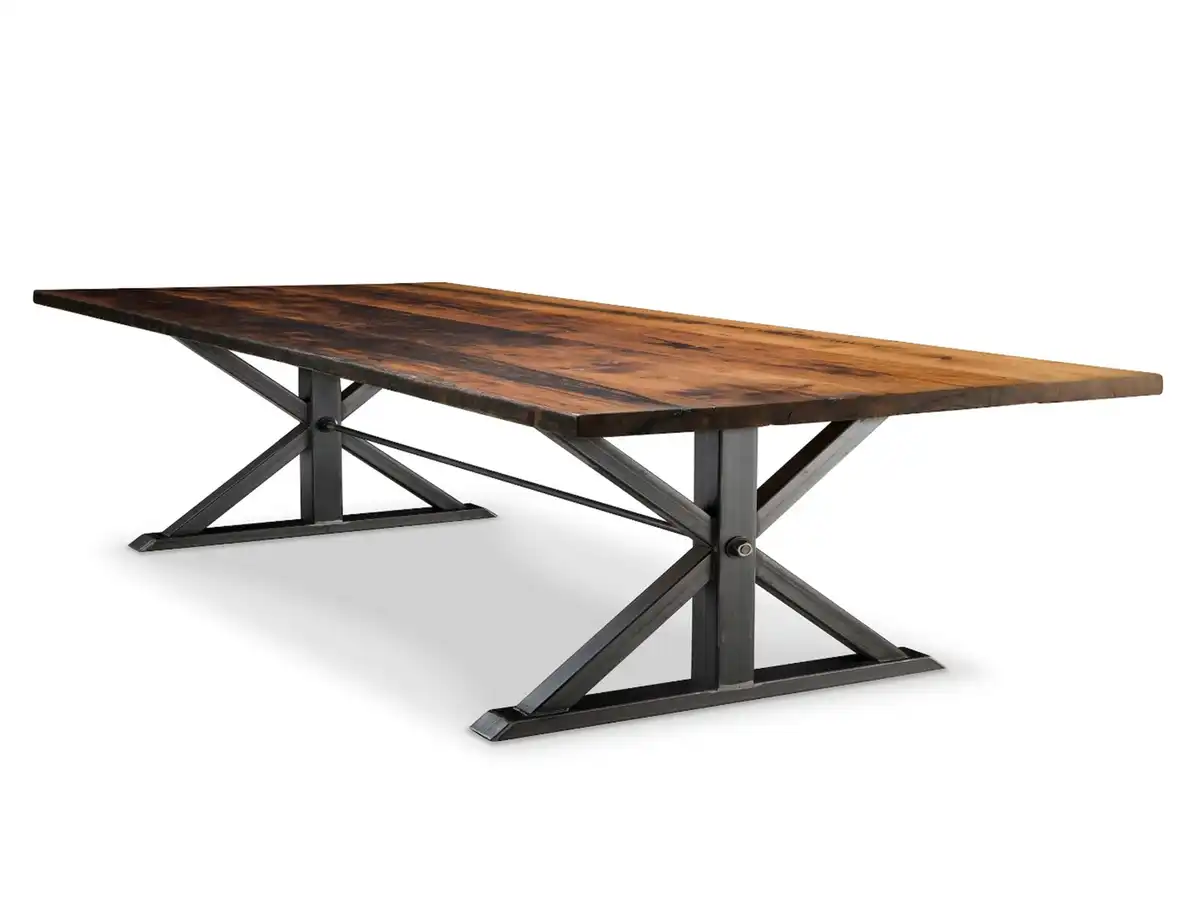
Image by Woodcraft
Wood Furniture
Give your Old Wood Furniture Pieces a New Look
Popular types of wood for furniture
++
Property
Residential Architecture
Comments / photos for the How to care for antique wood furniture the right way page welcome