What You Need To Know To Build With Shipping Containers
15 January 2026
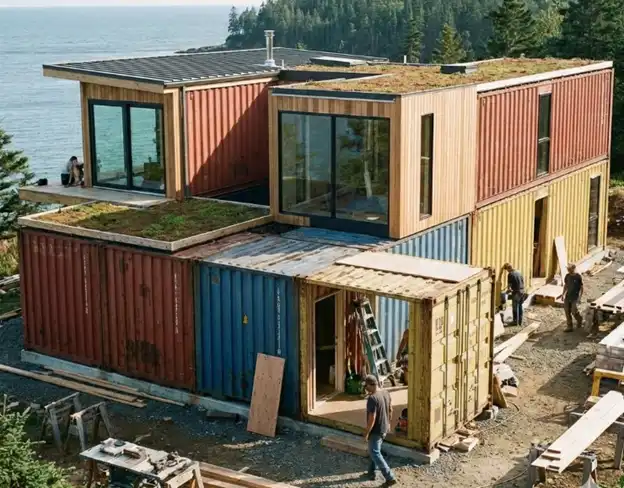
In recent years, shipping container construction has moved from a niche architectural experiment to a practical building solution used worldwide. Businesses, developers, and even homeowners are exploring how to build with storage containers to create durable, adaptable, and cost-efficient structures. The appeal lies in their structural strength, standardized dimensions, and availability, which make them suitable for a wide range of projects, from storage units and workshops to offices and commercial facilities. However, building with shipping containers is not as simple as stacking steel boxes. Understanding design principles, structural requirements, insulation needs, and local regulations is essential for long-term success.
Understanding the Structural Nature of Shipping Containers
Shipping containers are engineered to endure extreme conditions at sea, including heavy loads, salt exposure, and constant movement. Their strength comes primarily from the corner castings and the steel frame rather than the side walls or roof panels.
When planning a container-based build, it is critical to understand how modifications affect structural integrity. Cutting large openings for doors or windows, for example, can weaken the container if not properly reinforced. Structural steel framing is often required to redistribute loads and maintain stability, especially in multi-container constructions.
Key structural considerations include:
- Load-bearing capacity of corner posts
- Reinforcement around cutouts
- Foundation type and soil conditions
Ignoring these factors can result in deformation, water intrusion, or long-term safety issues.
Site Preparation and Foundation Requirements
Despite their rugged appearance, shipping containers require proper foundations to ensure durability and usability. The type of foundation depends on soil conditions, climate, and intended use.
Common foundation options include concrete slabs, pier foundations, and strip footings. Each offers different advantages depending on whether the structure is permanent, semi-permanent, or relocatable.
A well-prepared site should address drainage, leveling, and access for delivery equipment. Improper site preparation can lead to uneven settling, door alignment problems, and accelerated corrosion at ground contact points.
Design Planning and Space Optimization
One of the most common misconceptions about container construction is that design flexibility is limited. In reality, thoughtful planning can transform a narrow steel box into a functional and comfortable space.
Design planning should account for:
- Interior layout efficiency
- Natural light and ventilation
- Future expansion or modification
Because containers have fixed dimensions, designers often combine multiple units to create larger open areas. Strategic placement of openings and the use of glass panels can dramatically improve interior comfort without compromising strength.
Insulation, Climate Control, and Comfort
Steel conducts heat and cold extremely well, making insulation one of the most critical aspects of container construction. Without proper thermal protection, interior temperatures can become unmanageable.
Effective insulation solutions include spray foam, rigid foam boards, and mineral wool. Each option has different performance characteristics depending on climate and budget.
Proper insulation helps achieve:
- Temperature stability year-round
- Reduced condensation and moisture buildup
- Improved energy efficiency
Ventilation systems, HVAC units, and vapor barriers further enhance comfort and protect interior finishes from long-term damage.
Electrical, Plumbing, and Utility Integration
Installing utilities in shipping containers requires careful coordination between structural modifications and building systems. Electrical wiring, plumbing, and data lines are typically routed through framed interior walls or floor systems.
Planning utilities early helps avoid unnecessary cutting and retrofitting later. This is especially important for commercial or office applications where code compliance and accessibility standards apply.
Key utility considerations include:
- Load capacity for electrical systems
- Proper ventilation for mechanical equipment
- Compliance with local safety codes
Working with licensed professionals ensures that all systems are installed correctly and inspected where required.
Legal, Zoning, and Building Code Considerations
Before starting construction, it is essential to verify whether container-based structures are permitted in your location. Zoning laws, building codes, and permit requirements vary widely between municipalities.
Some jurisdictions treat shipping container structures as modular buildings, while others classify them as alternative construction methods. This can affect fire ratings, insulation standards, and occupancy approvals.
Engaging with local authorities early in the planning process can prevent costly delays and redesigns later.
Cost Factors and Budget Planning
While shipping containers can reduce certain construction costs, they are not automatically cheaper than traditional building methods. Expenses such as transportation, modifications, insulation, and foundations can add up quickly.
Major cost components often include:
- Container purchase and delivery
- Structural modifications and reinforcement
- Interior finishing and systems installation
Accurate budgeting should account for both upfront and long-term operational costs, including maintenance and energy use.
Sustainability and Long-Term Durability
One of the strongest arguments for container construction is sustainability. Repurposing existing steel units reduces the demand for new raw materials and minimizes construction waste.
With proper surface treatment, rust prevention, and ongoing maintenance, container structures can last for decades. Protective coatings, elevated foundations, and regular inspections significantly extend their lifespan.
Container-based buildings also support modular expansion, allowing structures to evolve as needs change without major demolition.
Common Mistakes to Avoid When Building With Containers
Many first-time builders encounter challenges due to insufficient planning or unrealistic expectations. Understanding common pitfalls can help ensure a smoother project.
Avoid these frequent mistakes:
- Underestimating insulation requirements
- Cutting structural elements without reinforcement
- Skipping local code and permit research
Learning from existing container projects and consulting experienced professionals can significantly reduce risk.
Making Smart Decisions for Container Construction
Building with shipping containers offers a unique combination of strength, adaptability, and modern appeal. However, success depends on informed planning, technical understanding, and compliance with local regulations. From structural integrity and insulation to utilities and zoning, every decision influences the final outcome.
By choosing high-quality units and working with experienced partners, you can create efficient, durable, and future-ready structures. To explore reliable options for your next project, choose the right storage container https://midstatecontainers.com/collections/storage-containers and take the first step toward a smarter, container-based build.
Comments on this guide to How to build with shipping containers article are welcome.
Shipping Containers
Modular Shipping Container Building Posts
Designing a shipping container home tips
6 things to know building shipping container home
++
Buildings
New Architecture Design
Comments / photos for the How to build with shipping containers advice page welcome