How Septic System Design Shapes Sustainable Homes
5 November 2025
The Overlooked Architecture Beneath Our Feet: How Septic System Design Shapes Sustainable Homes
When most people imagine sustainable home design, they picture solar panels glinting on rooftops, energy-efficient windows, and natural materials that blend with the landscape. Yet beneath the ground lies a crucial system that often receives little attention from architects or homeowners alike, the septic system.
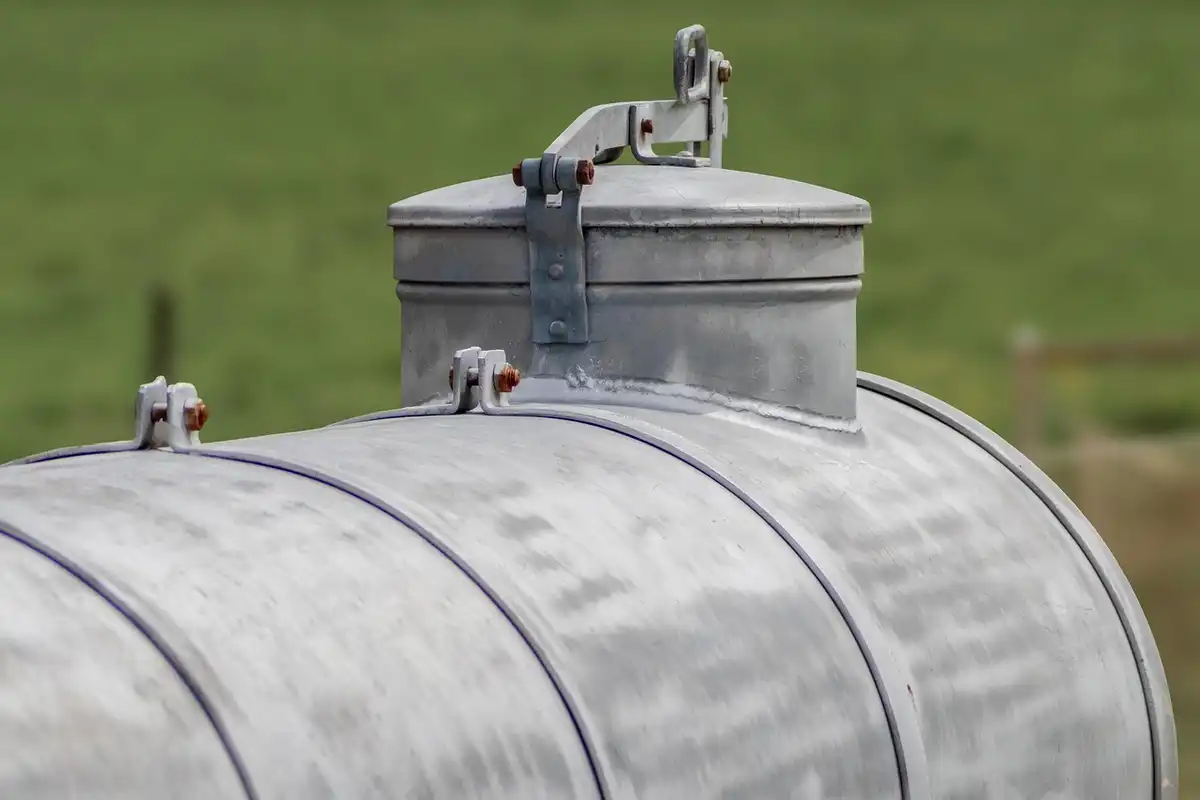
For homes built beyond the reach of municipal sewer lines, septic systems are the unseen infrastructure that keeps modern living sustainable. They manage wastewater in a closed-loop cycle that filters and returns water safely to the environment. Despite their importance, septic systems are rarely discussed during the design phase, leading to inefficiencies, costly retrofits, and, in some cases, environmental damage.
Forward-thinking architects and builders are now reimagining the relationship between septic design and sustainable architecture, integrating underground systems into the broader concept of environmentally responsible housing.
Septic Systems as Part of Sustainable Design
Sustainability doesn’t end at the foundation. A home that uses reclaimed wood, passive heating, and low-VOC materials still risks environmental harm if its wastewater management system is poorly planned. Septic systems, when properly designed and maintained, can serve as efficient, long-term wastewater treatment units that minimize pollution and promote groundwater health.
A well-engineered system filters household water through natural processes, allowing the soil to biologically treat effluent. The result is a self-sustaining cycle that reduces the home’s dependence on external infrastructure, one of the fundamental principles of green building.
By incorporating septic planning early in the design process, architects can create layouts that optimize land use and drainage flow while avoiding conflicts with landscaping, driveways, or structural elements. Sustainable design means treating the home as an ecosystem, and that includes the unseen components underground.

The Architectural Value of Subsurface Systems
Architectural planning traditionally focuses on form, space, and materials, but it also has a functional responsibility. Site-specific septic design plays directly into the architectural layout. Soil type, elevation, and groundwater levels influence where and how a septic system can be installed.
When architects coordinate with septic engineers from the start, they can align design aesthetics with technical requirements. For example, positioning the drain field to complement the site’s natural slope not only improves efficiency but can also enhance landscaping potential. This integrated approach avoids the common mistake of designing the home first and “fitting in” the septic system later, a method that often leads to suboptimal performance and environmental strain.
Beyond Function: Environmental Benefits of Thoughtful Septic Design
A modern septic system is far more than a tank buried in the yard. Today’s systems incorporate advanced filtration, aeration, and even renewable energy elements to reduce energy use and enhance treatment quality.
For environmentally conscious homeowners, a properly designed and maintained septic
system supports sustainability goals in several ways:
- Groundwater protection: Advanced treatment units prevent harmful bacteria and nitrates from contaminating nearby wells or water sources.
- Reduced carbon footprint: Independent wastewater treatment decreases reliance on energy-intensive municipal systems.
- Resource efficiency: Recycled water can be used for landscaping or irrigation, reducing freshwater consumption.
- Longevity: When systems are correctly installed and regularly serviced, they can last for decades, minimizing waste from replacements.
Just like solar systems or smart thermostats, septic infrastructure should be viewed as a long-term environmental investment.
The Cost of Neglecting the Invisible Infrastructure
Neglect often begins with poor planning. Builders or homeowners who rush installation without soil testing or accurate design calculations risk major problems from backups and foul odours to leaching field failure. Over time, these issues can erode property value and harm surrounding ecosystems.
Routine maintenance plays a huge role in prevention. Tasks such as septic tank inspection and repair ensure that systems continue to perform efficiently while identifying potential issues before they escalate into costly emergencies. Regular care not only extends the lifespan of the system but also preserves its environmental integrity, a key factor in sustainable homeownership.
Architects who educate clients about ongoing maintenance obligations help bridge the gap between design and long-term sustainability. A beautiful home is only as sustainable as the systems that quietly support it.
Economics of Sustainable Septic Planning
Cost remains one of the biggest factors influencing septic design decisions. Homeowners often underestimate the financial side of proper installation, assuming that all systems cost roughly the same. In reality, septic system installation pricing depends on several site-specific variables, including soil composition, topography, tank size, and treatment technology.
By factoring these costs into early project budgets, architects and developers can make informed decisions that prevent expensive redesigns later. Sustainable design doesn’t mean cutting corners; it means allocating resources wisely for long-term efficiency.
Moreover, energy-efficient septic technologies may carry higher upfront costs but deliver savings over time through reduced maintenance and environmental compliance benefits. In the context of sustainable architecture, this approach mirrors the philosophy of investing in better insulation or high-performance windows that pay more initially to save energy, money, and resources over decades.
Integrating Education Into Design
The success of any sustainable home relies not just on design or technology but on homeowner awareness. Architects and builders who incorporate septic education into the design process empower clients to make smarter choices. Homeowners who understand how their wastewater system works are more likely to maintain it properly, schedule inspections, and avoid harmful household chemicals that disrupt biological treatment.
By fostering this mindset, the industry promotes not only eco-friendly construction but also a culture of responsible living, one that treats the land as an active participant in design rather than a passive foundation.
Conclusion: The Architecture You Don’t See
Sustainability runs deeper than aesthetics. The true measure of a green home lies as much in its invisible systems as in its visible design. Septic systems may not feature in glossy architectural renderings, but they embody the essence of sustainable thinking: independence, efficiency, and harmony with nature.
As architects continue to redefine the meaning of sustainable living, the spaces we inhabit above ground will only be as enduring as the systems supporting them below. The architecture beneath our feet deserves recognition because every truly sustainable home begins underground.
Comments on this guide to How septic system design shapes sustainable homes article are welcome.
Building Drainage
Drainage and Plumbing Posts
How to maintain your septic tank
Why Microbes and Bacteria are Essential for Your Septic System
Planning to install a new septic system
++
Home Articles
Residential Architecture
Comments / photos for the How septic system design shapes sustainable homes page welcome.