How Architecture Influences Real Estate Value
post updated August 1, 2026
August 1, 2025
Architectural excellence is more than an appealing design. It has the ability to generate long-term value, attract premium buyers, and escalate returns. Creating a new site or improving an older one, clever design decisions can literally determine the success of an investment.
How do you get a building that is not only functional but profitable?
Let’s break it down.
Design Is an Investment Multiplier
Good design reduces risk and creates value. It adds appeal. It improves liveability. It attracts the right tenants or buyers. In the property world, design isn’t just aesthetics, it’s strategy.
A well-designed space can:
- Increase rental demand
- Justify premium pricing
- Improve resale value
- Reduce time on market
- Lower ongoing maintenance costs
Architectural practices such as layout, daylight access, and quality finishes influence how people feel and behave in a space. The Australian Government notes that design choices directly affect comfort, liveability, and energy performance, key drivers of a property’s long-term value.
Location + Design = Property Potential
Everyone talks about location. But design gives that location its true potential.
Take two properties on the same street. One has a smart layout, energy-efficient features, and street appeal. The other looks dated and lacks natural light. Which one will rent faster or sell for more?
Design is what unlocks the hidden value of a well-located block. It bridges the gap between raw land and an income-generating asset.
This is where long-term thinking matters. Choosing the right property investment strategy depends on aligning design with market demand, land potential, and end-user needs.
What Adds Real Value?
Not all upgrades boost property value equally. Focus on features that add liveability, sustainability, and future-proofing.
Here are some high-impact examples:
| Feature | Why It Adds Value |
| Open-plan layouts | Create a spacious feel, support modern lifestyles |
| Natural light | Increases comfort, reduces electricity use |
| Smart zoning | Offers flexibility for families or remote work setups |
| Energy efficiency | Reduces bills, appeals to eco-conscious buyers |
| Timeless material choices | Low maintenance, broad appeal over time |
| Privacy and noise control | Improves comfort in multi-unit or urban developments |
These design decisions attract quality tenants or buyers. They reduce vacancy periods. They make the property stand out in competitive markets.
Design for the Target Market
One size does not fit all in real estate.
Design must align with the needs of the area’s target market. For example:
- The open kitchen, safe backyards, and storage facilities are the most important things in a family suburb.
- Natural lighting, smart-home technology and effective floor plans are triumphant in the urban markets.
- In the countryside or on the late coast, outdoor space, fresh air, movement, and sturdiness are important.
The direction of the design can be determined by knowing what the buyers or renters in a particular market would need.This ensures money is spent where it counts, not just on trend-driven upgrades.
Architecture That Pays Off Long Term
Other aspects of design can be rewarded years later.
Consider more than the first impression. These are some main characteristics that bring continuous returns:
- Orientation: In the southern hemisphere, it is better to have a north-facing home because of light and warmth.
- Cross-ventilation: Maintains the house with cool temperatures during summer without an air conditioner.
- Such spaces are flexible: long-term tenants or families with children will find rooms that change with time.
- Minimalist landscaping: These landscapes do not require high maintenance, even at a reduced cost, and maintain the curb appeal.
These practical choices reduce running costs and attract buyers who value convenience and sustainability.
Building Codes and Future-Proofing
Designing with current regulations in mind is essential, but forward-thinking architecture also anticipates what’s coming next. As energy standards tighten and lifestyle needs evolve, future-ready buildings stand out in the market. In Australia, the Nationwide House Energy Rating Scheme (NatHERS) already guides the industry toward higher minimum energy performance standards for new builds.
Architects who stay ahead of building code changes and sustainability trends create properties that won’t require costly retrofitting later.
Key future-proofing strategies include:
- Complying early with the proposed energy rating increases
- Incorporating universal design principles for ageing-in-place
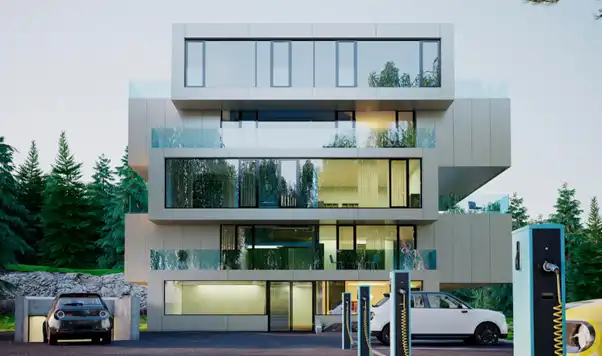
- Designing for solar, EV charging, or battery storage from the outset
- Using modular construction that allows for easy upgrades or extensions
These elements reduce risk and increase appeal to investors who want long-term reliability.
A future-ready property keeps delivering value, not just for five years, but for decades.
First Impressions Count
Curb appeal can make or break a property sale. Buyers form opinions within seconds.
Designing an attractive entry, façade, or landscape boosts perceived value. Simple changes like feature lighting, modern fencing, or a welcoming pathway can set a strong tone.
But it’s not just about visuals. A clean, logical entrance layout supports security and usability, two major factors in perceived property value.
Liveability = Loyalty
Well-designed homes are easier to live in. They reduce frustration. They support routines. They feel right.
That’s not a fluffy concept; it’s proven to drive longer tenancies and better tenant care. For investors, this means less turnover and lower costs.
Features that support liveability:
- Good storage in kitchens and bedrooms
- Functional bathrooms with ventilation
- Power points placed with real usage in mind
- Wide doorways and logical furniture layouts
Designing for daily use builds long-term loyalty.
The Architect-Investor Connection
Architects and property investors often work in silos. But the best outcomes happen when strategy and creativity meet.
Investors bring data. Architects bring ideas. The synergy of the two drives better outcomes across:
- Site selection
- Yield maximisation
- Build efficiency
- Buyer appeal
When design decisions are aligned with investor goals, each project delivers more value.
Avoid Overcapitalisation
There’s a balance between smart design and overspending.
Not every design idea translates into higher returns. Some features may look good but fail to add value in the market. For example:
- Expensive imported tiles in a rental-grade build
- Unusual layouts that confuse buyers
- Oversized living rooms at the cost of bedroom space
Investors should prioritise functionality, simplicity, and broad market appeal.
Tip: Always test designs against expected returns. A great concept must also make financial sense.
Final Thought: Think Like the End User
The best investment properties don’t just look good, they feel good to live in.
Design with the user in mind. What will make someone choose this property over another? What will make them stay? What will they talk about after the viewing?
Every decision, from ceiling height to corridor width, contributes to this outcome.
Smart design is not a luxury. It’s a tool to build wealth. Architects who understand this play a key role in shaping profitable, future-ready spaces.
Comments on this guide to Designing for Returns: How Architecture Influences Real Estate Value article are welcome.
Building
Recently added Building posts
How Builders Risk Insurance protects a design
Garden Shed Architecture for Irish Landscape Design
Architectural Trends: Next-Gen Wood-Effect Flooring
++
Home Articles
Residential Architecture
Comments / photos for the Designing for Returns: How Architecture Influences Real Estate Value page welcome.