How Architects Store the Elements That Don’t Fit on Paper
post updated 8 August 2026
8 August 2025
Smart storage solutions help architects manage physical elements beyond drawings.
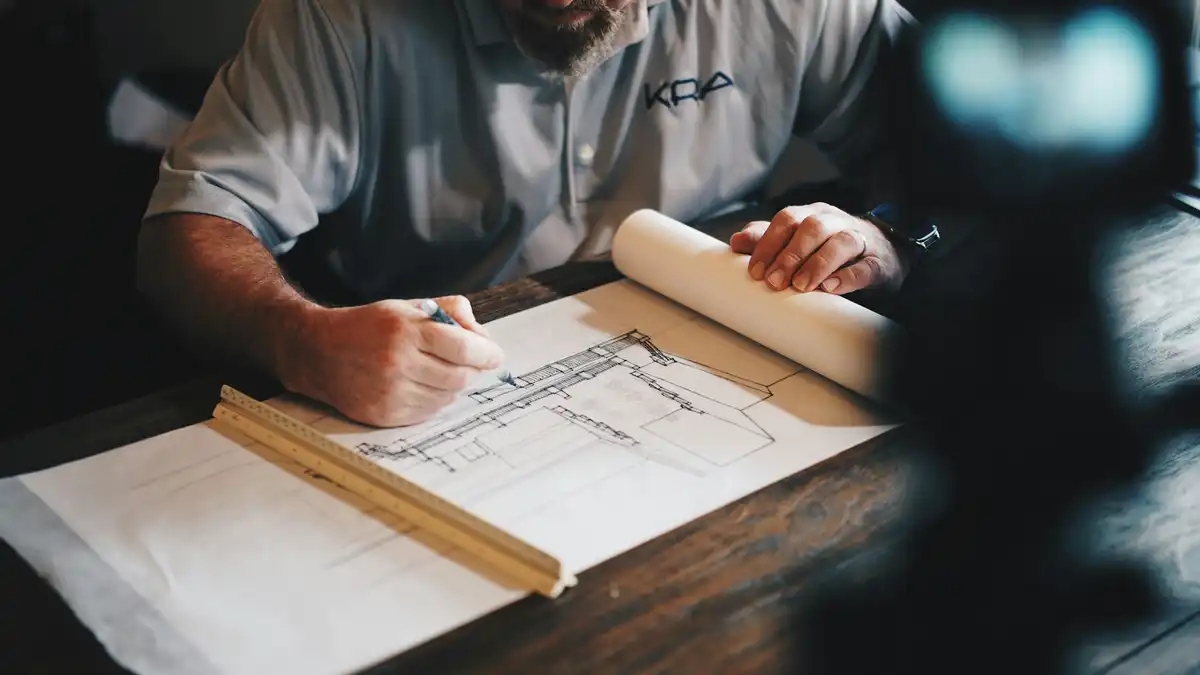
Architects deal with more than plans and virtual plans. Actual materials, mock-ups, equipment, and specimens help bring projects into tangible existence. Storage of these necessitates clever storage solutions that take into account size, fragility, and accessibility.
This piece discusses the various kinds of objects architects must store, large material and tool solutions, combinations of digital and analog storage, advantages of flexible solutions, and practical advice about organizing architectural workplaces. These provide architects with ways to maintain their studios productive and innovative by storing the pieces that cannot be drawn onto paper.
Types of physical elements architects manage
Architects contend with a variety of physical objects beyond plans and drawings. These run the gamut from large pieces like wood panels, sheet metal, and stone specimens, which become cumbersome and difficult to store. Scale models and prototypes are also important but often fragile and needing delicate handling.
Architects also keep a variety of tools, measuring instruments, color specimens, or cloth specimens in order to facilitate decisions about design. Storing these diverse objects requires prudent organization and warehousing in order to make it easy to access without causing damage. An understanding of the nature of the diverse physical objects helps the architect plan storage that balances creativity with efficiency, keeping the working area functional, as well as motivational.
Solutions for storing large materials
Large materials present a unique storage challenge due to their size and sometimes delicate nature. Here are some effective storage solutions architects use:
- Vertical racks for storing long wood or metal pieces
- Flat storage cabinets for stone or tile samples
- Shelving units with adjustable heights for varied material sizes
- Protective cases for delicate scale models
- Climate-controlled storage for sensitive materials
Architects also benefit from using trusted storage solutions in Edmond, OK, which offer secure, flexible spaces tailored to professional needs. These facilities provide protection from environmental damage and easy access when materials are needed for projects. Combining on-site storage with trusted off-site options helps architects manage space more efficiently. With the right storage solutions, architects can keep their physical elements organized, safe, and ready to inspire new designs without cluttering their studios.
Common questions about architectural storage
Many architects ask how to store large materials without damaging them. The best method is using vertical racks or flat cabinets designed for specific materials like wood, metal, or stone. This keeps items organized and prevents warping or scratches.
Another frequent question is how to safely store fragile models and samples. Protective cases, padded shelves, and climate-controlled storage help maintain their condition over time. Regular cleaning and careful handling also extend their lifespan.
Understanding these basics helps architects maintain an efficient and safe storage system for all physical elements in their workspace.
Quick tips for organizing architectural storage
Efficient architectural storage improves workflow and protects valuable materials. Here are some easy tips:
- Use adjustable shelving to fit different material sizes
- Label storage areas for quick identification
- Store fragile models in padded, secure cases
- Keep climate-sensitive materials in temperature-controlled spaces
- Organize tools and samples by project or material type
- Regularly review and declutter storage to maintain order
These tips help architects stay organized and safeguard their physical elements. Smart storage makes design work smoother and keeps the studio creative and clutter-free.
Real success with architectural storage
Architecture firm experienced increasing difficulties with their physical materials and scale models accumulating clutter in their workspace. Huge pieces of wood, stone specimens, and brittle prototypes were frequently misstored with damage, as well as slowing down workflows during projects. In response, the firm invested in height-adjustable vertical racks, temperature-controlled storage rooms, and foam cases for sensitive models. They also worked with a reputable off-site storage facility to securely store overflow materials.
In six months, the company experienced a 40 percent decline in damage to materials, while organization improved markedly. Project teams could obtain needed items sooner, accelerating the process of design review. Workers were less stressed with the better organized studio, and it increased creativity along with output.
One industry expert points out that adequate storage plays an important role in sustaining architectural materials’ quality and durability. Investment in flexible, secure storage helps safeguard valuable assets as well as drive streamlined workflows.
40 percent reduction in damage with improved storage systems
It describes how well-thought-out storage isn’t merely about protecting materials but about the success of the whole business. Storage-savvy architects see better projects with improved working conditions.

Make storage a design priority
Proper storage is needed for architects working with various physical elements. Begin organizing with intelligent storage products and secure off-site solutions. Safeguard your materials, organize your workflows, and encourage creativity. Make your architectural storage a priority in order to create an improved, better-inspiring working experience.
Comments on this guide to How architects store elements that don’t fit on paper article are welcome.
Home Articles
Residential Architecture
++
Real Estate
Real Estate Posts
Should You Move Your Real Estate Investment To Canada
How to find and buy a suitable condo in Canada
Comments / photos for the How architects store elements that don’t fit on paper page welcome